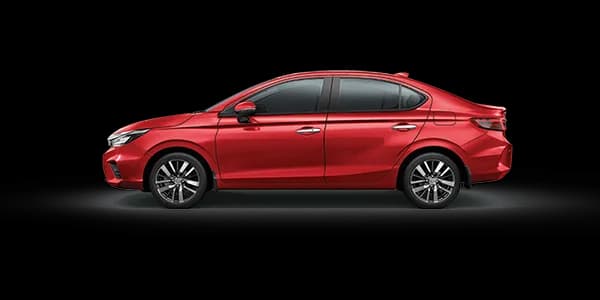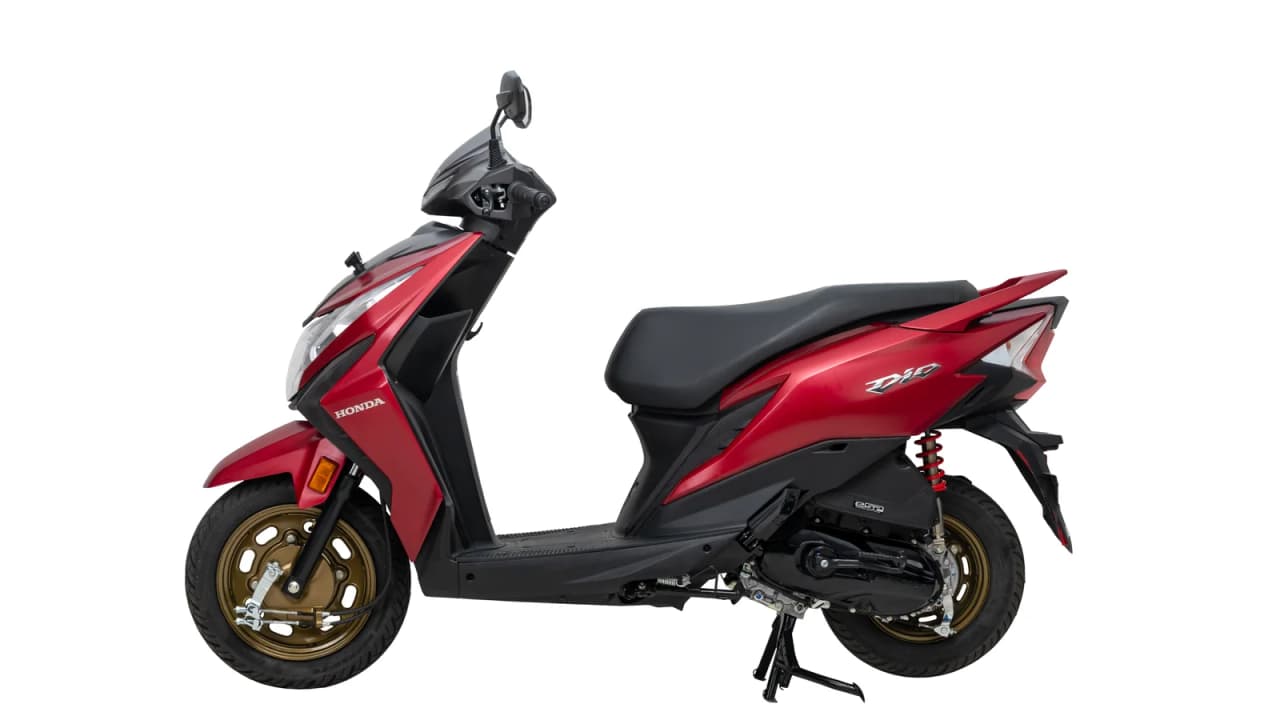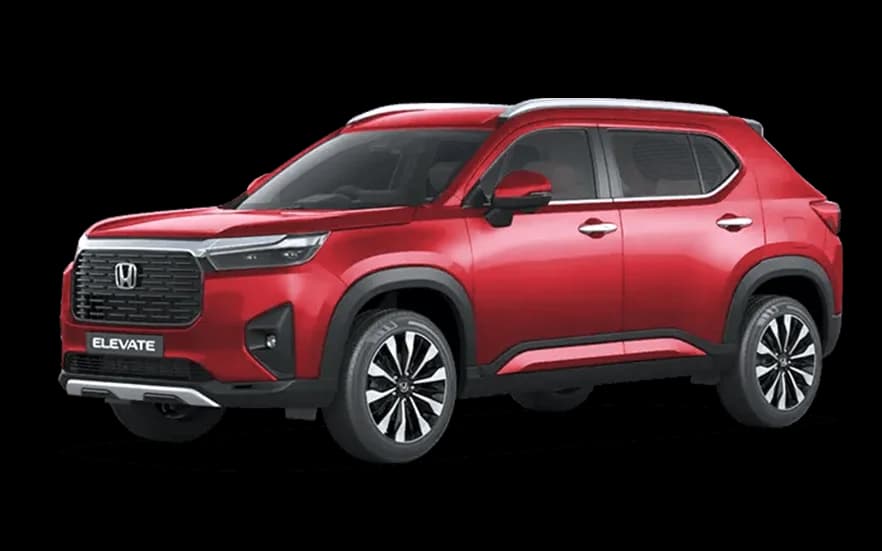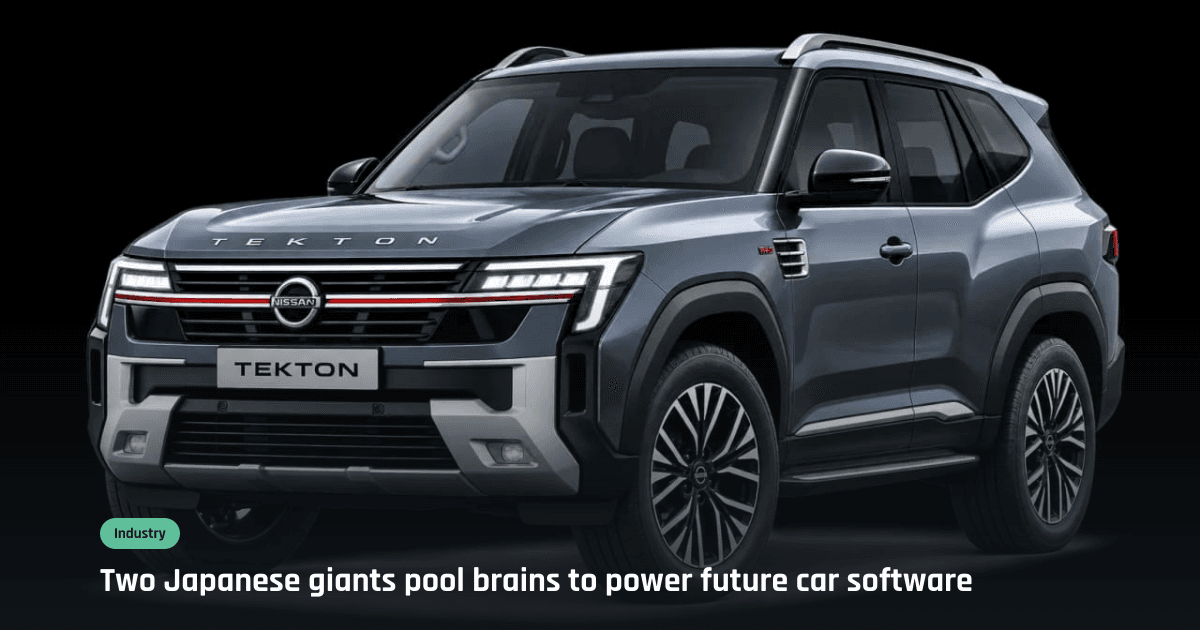
Honda Motor and Nissan Motor have formally agreed to jointly develop core software and computers for next‑generation cars, deepening their cooperation on future vehicle technology.
What the partnership covers
- The brands will co-develop a common in-vehicle operating system and high‑performance electronic control units (ECUs) that sit at the heart of software‑defined vehicles.
- These ECUs will run shared vehicle-control software and key middleware, allowing features to be added or improved through over‑the‑air updates, like a smartphone.
- New Honda and Nissan models are planned to use this shared architecture from fiscal 2029, meaning cars built from that period could run very similar core software even if the badges differ.
Why it matters for buyers
- Sharing software and electronic hardware is expected to cut development costs and speed up updates, which can improve safety, infotainment and energy management over a car’s life.
- With Honda selling around 3.52 million vehicles globally in 2025 and Nissan around 3.2 million, the combined scale of about 6.72 million units gives the joint software a large user base.
Background to the tie-up
- The two companies started exploring collaboration on EVs and software-defined vehicles in March 2024.
- Their talks on a deeper management integration ended in February 2025, but cooperation on specific technology projects has continued.
For Nepali buyers, this means that future Honda and Nissan cars imported here from around 2029 onward could share a smarter, more updatable software core, even though no Nepal-specific timeline or pricing has been announced yet.
Related to this story
AN
Ajit Narayan Singh
Editor, Nepal AutoMart
Writes on vehicle pricing, taxation and the Nepali auto market from ongoing tracking of distributor price lists. Editorial policy.