The government has outlined a major change to how Nepalis will obtain and renew driving licences, with a new National Transport Policy 2083 introducing digital and competency-based testing for drivers, alongside a risk-based driver monitoring system.
Online written tests for licence applicants
Today, both written and practical exams for driving licences are conducted in person at test centres. Under the new policy, the Ministry of Physical Infrastructure and Transport plans to move written exams to an online system, so applicants will sit computer-based tests instead of paper-based ones.
Officials say the goal is to make knowledge tests more standardized, easier to manage across the country, and less dependent on manual handling of answer sheets. It is also expected to reduce crowding at licence offices and make scheduling more flexible for applicants.
AI-supported evaluation for trial tests
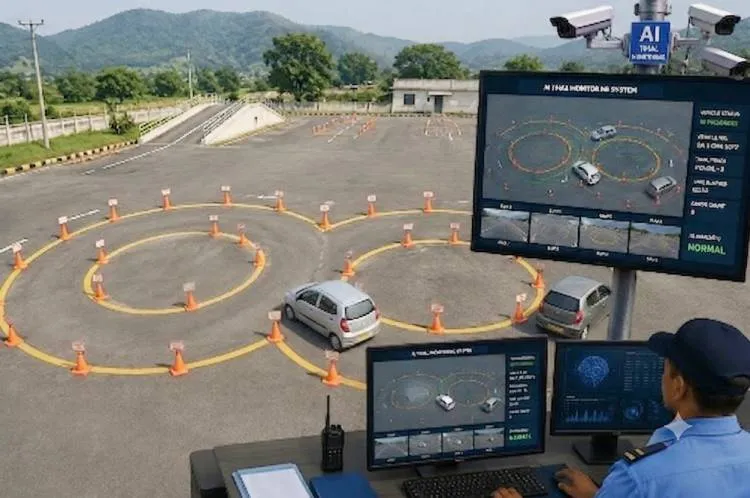
For the practical "trial" test, the policy proposes an AI- and camera-based evaluation system. According to the policy documents, cameras and sensors would record how a candidate drives during the trial, while software automatically checks key behaviours such as lane discipline, signal use, and vehicle control.
Under this approach, the system would generate a pass/fail decision based on preset criteria. This should reduce direct involvement of transport office staff or traffic police in scoring, which has often been criticized for inconsistency and possible human bias.
Stronger smart licence and driver database
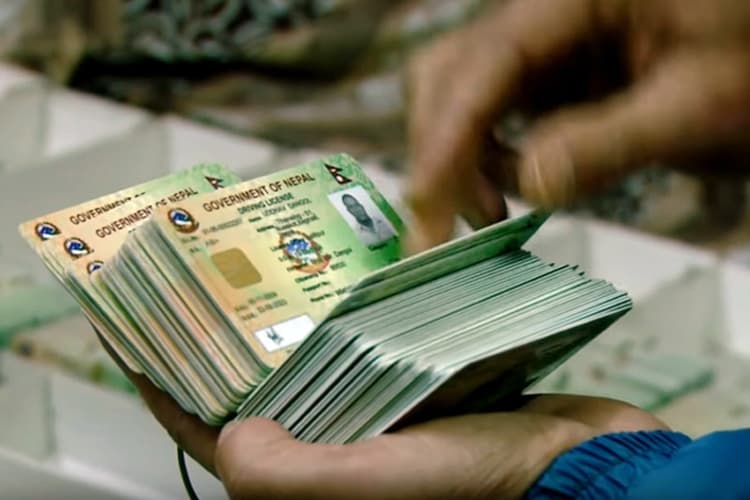
Alongside exam reforms, the government plans to upgrade the smart driving licence system. According to the announcement, each driver’s traffic violation history and safe driving record will be stored in a single database linked to their smart card. This will allow authorities to introduce risk-based driver management, where repeat offenders and high-risk drivers can be more closely monitored, while drivers with good records may benefit from smoother renewals or targeted safety incentives.
The policy envisions a system where drivers are categorized as high-risk or safe based on their driving history, including traffic violations and accident involvement. This digital tracking aims to shift Nepal's road safety approach from punitive to preventive, emphasizing continuous monitoring and early intervention.
Road safety education and public awareness
The policy also places strong emphasis on road safety awareness. The government plans to gradually include road safety topics in school and university curricula, so students learn basic traffic rules and safe behaviour from an early age.
Additionally, the ministry aims to run regular public awareness campaigns and promote community-based road safety programmes with provincial and local governments, schools, and private organizations. There is also a proposal to formally recognize individuals and institutions that contribute to road safety, which could encourage more local initiatives.
For vehicle buyers and everyday road users, these changes mean future licence processes are likely to be more structured, digital, and data-driven, with a stronger link between how people drive and how their licences are managed over time.
Writes on vehicle pricing, taxation and the Nepali auto market from ongoing tracking of distributor price lists. Editorial policy.