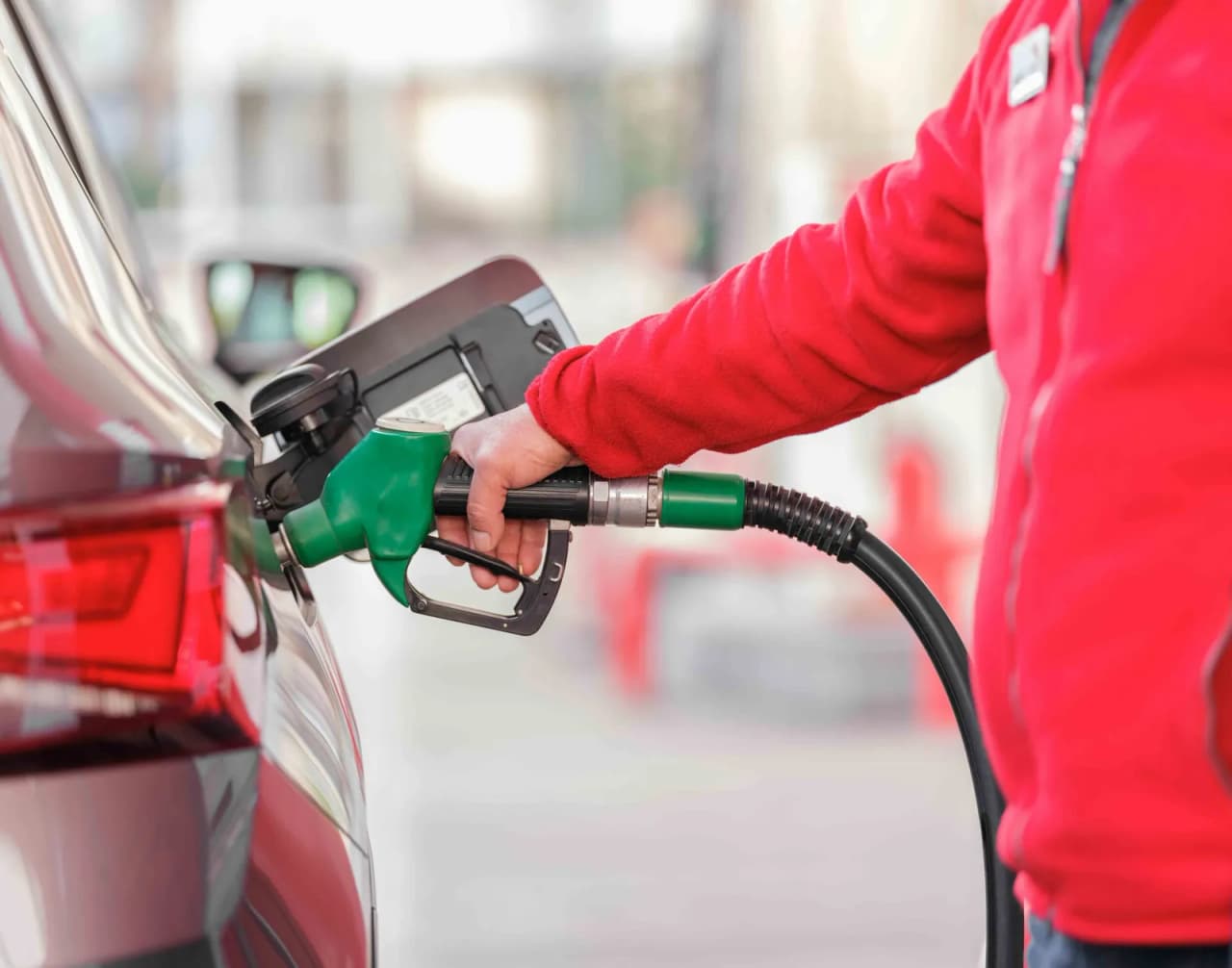
Electric vehicles have become the default choice for new four-wheelers in Nepal, sharply reducing the space for petrol-powered cars.
EVs take more than 80% share
A total of 14,773 four-wheelers were imported into Nepal in fiscal year 2025/26 (FY 2082/83), including passenger cars plus a small number of units registered as ambulances and taxis.
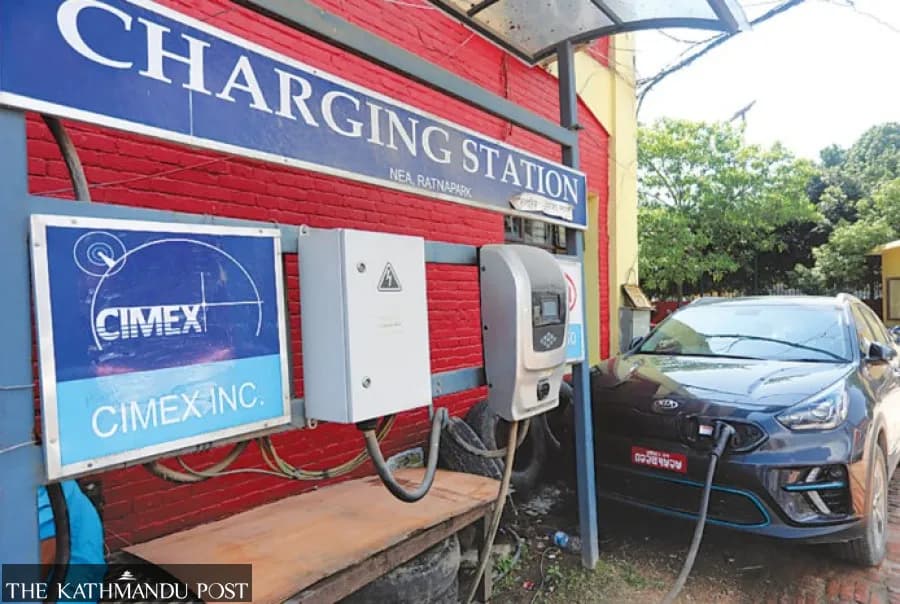
Out of these, 11,863 were electric vehicles (EVs), while only 3,910 were petrol-powered cars.
That puts EVs at 80.30% of total four-wheeler sales, leaving petrol vehicles with just 19.70% of the market.
Why buyers are shifting to EVs
- Lower running costs: High petrol prices make daily use costly, while EVs benefit from cheaper electricity and lower maintenance.
- Growing electricity supply: Higher domestic power generation and practical home charging support everyday EV use.
- More private charging points: Expanding charging infrastructure reduces range anxiety for city and inter-city driving.
- Competitive Chinese EVs: Strong competition among Chinese brands has brought lower prices, more features and modern designs.
- Favourable taxes for EVs: Government tax structures remain more relaxed for EVs than for conventional petrol cars.
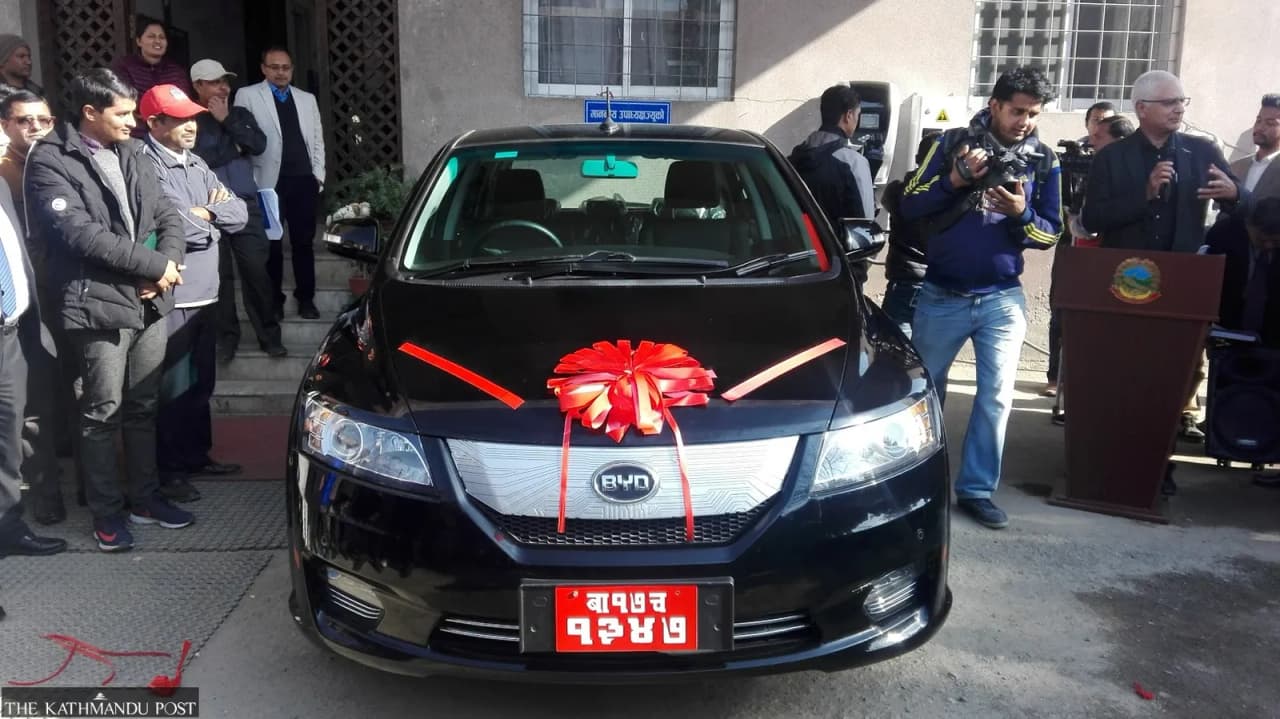
Petrol cars now face higher fuel and running costs at a time when better-equipped, more affordable EVs are widely available, accelerating the move away from combustion models.
Writes on vehicle pricing, taxation and the Nepali auto market from ongoing tracking of distributor price lists. Editorial policy.