Nepali car buyers faced a quieter import year in FY 2025/26, as new arrivals slowed and electric vehicle (EV) shipments fell sharply, while petrol models quietly gained ground.
Overall passenger vehicle imports
According to data from the Department of Customs, Nepal imported 15,806 passenger vehicles (cars, SUVs and vans) in FY 2025/26.
- This is about 1,900 fewer vehicles than the previous year, when 17,720 units entered the country.
- The drop in numbers works out to an overall decline of around 11% in passenger vehicle imports.
- The total value of these vehicles reached about Rs 30.24 billion, down from around Rs 36.44 billion last year.
- Customs revenue from passenger vehicles stood at about Rs 26.06 billion.
Importers and dealers had entered FY 2025/26 with large unsold stocks. Ahead of the previous national budget, many companies rushed to bring in roughly 5,500 extra vehicles expecting higher taxes. When demand did not grow as fast as anticipated, these vehicles stayed in showrooms and yards, so the immediate need for fresh imports dropped.
EV imports slow down but dominate
Electric vehicles took the biggest hit in terms of decline but still dominated the market.
- Nepal imported 10,847 electric cars, SUVs and vans in FY 2025/26.
- This is a 20% drop from 13,578 EVs the year before.
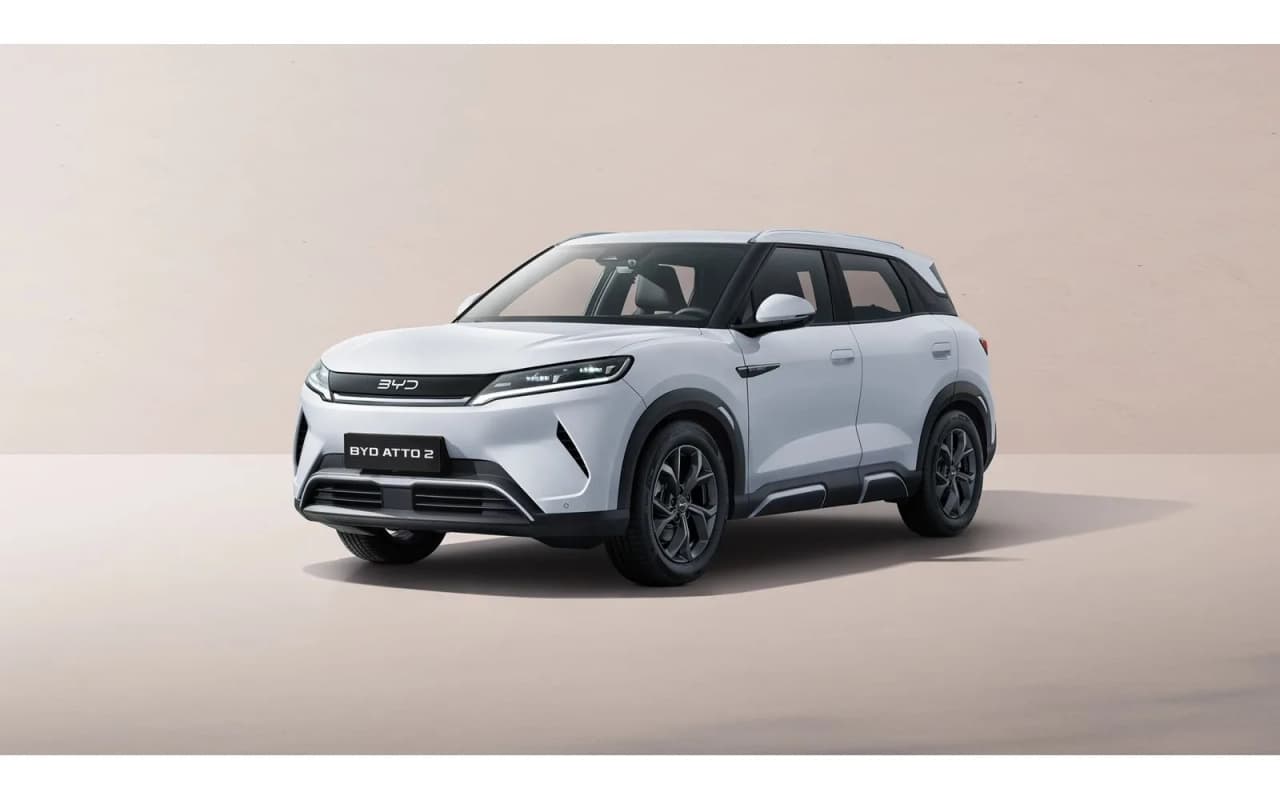
- Despite the decline, EVs accounted for around 65% of all passenger car imports, with models like the BYD Atto 2 leading the charge.
- The total value of EV imports reached about Rs 25.56 billion, generating around Rs 15.47 billion in customs revenue.
The BYD Atto 2 emerged as Nepal's most imported passenger car during the fiscal year, with 2,264 units imported, making it the market leader. The BYD Atto 1 followed with 1,299 units, and the Tata Tigor EV ranked third with 1,002 units, largely driven by demand from the taxi segment.
Petrol cars gain share
While EVs cooled, petrol vehicles moved in the opposite direction.
- Nepal imported 4,959 petrol cars, SUVs and vans in FY 2025/26.
- That is a nearly 20% increase, up 817 units from 4,142 petrol vehicles a year earlier.
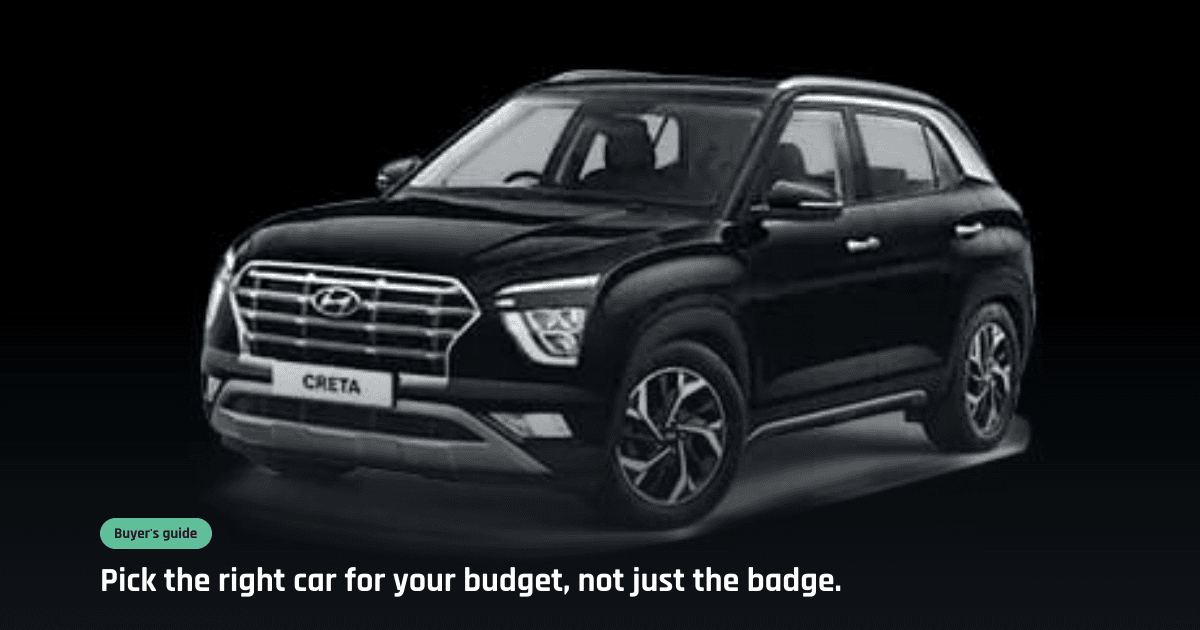
The Hyundai Creta was the highest-ranked petrol model in fourth place with 793 units, including both completely built units (CBUs) and CKD kits, as the SUV is now assembled locally in Nepal.
Hyundai’s growing local role
Hyundai stayed a key player in the petrol segment.
- Out of total petrol imports, 2,280 units arrived as CKD (completely knocked down) kits for local assembly.
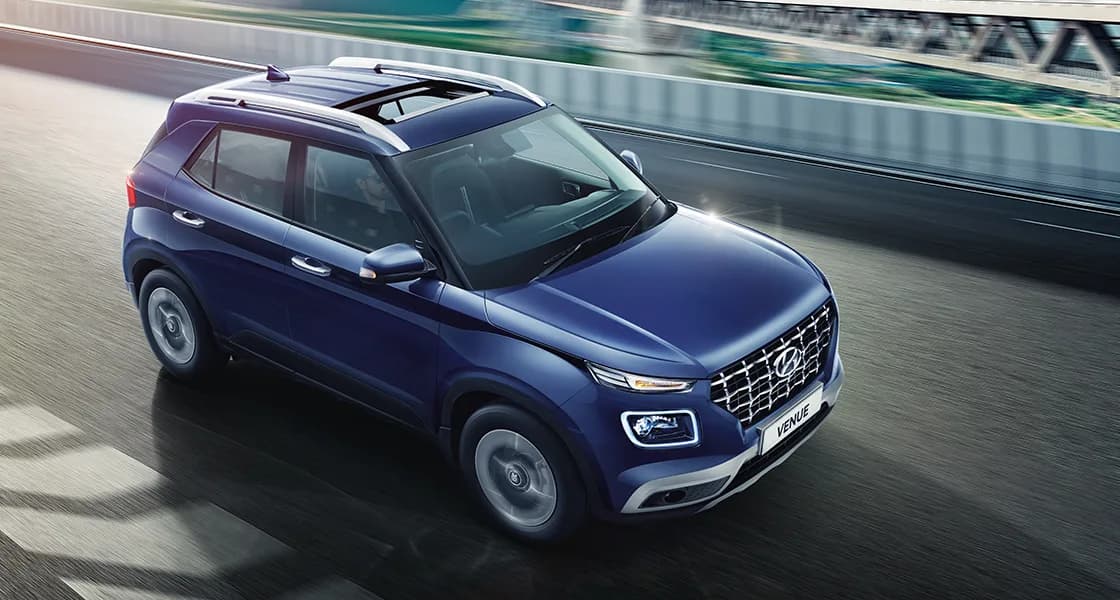
- Hyundai is currently the only brand assembling passenger cars in Nepal, focusing on models like the Creta and Venue.
Local assembly can help stabilize supply and may support more competitive pricing over time. For Nepali buyers, the FY 2025/26 numbers indicate a market still interested in EVs but more cautious, while demand for petrol cars — especially locally assembled Hyundai models — is strengthening.
Current prices on Nepal AutoMart

- Hyundai Creta price in Nepal: Rs 51.96 lakh – Rs 87.96 lakh ex-showroom, 20 variants
- Hyundai Venue price in Nepal: Rs 40.96 lakh – Rs 59.96 lakh ex-showroom, 8 variants
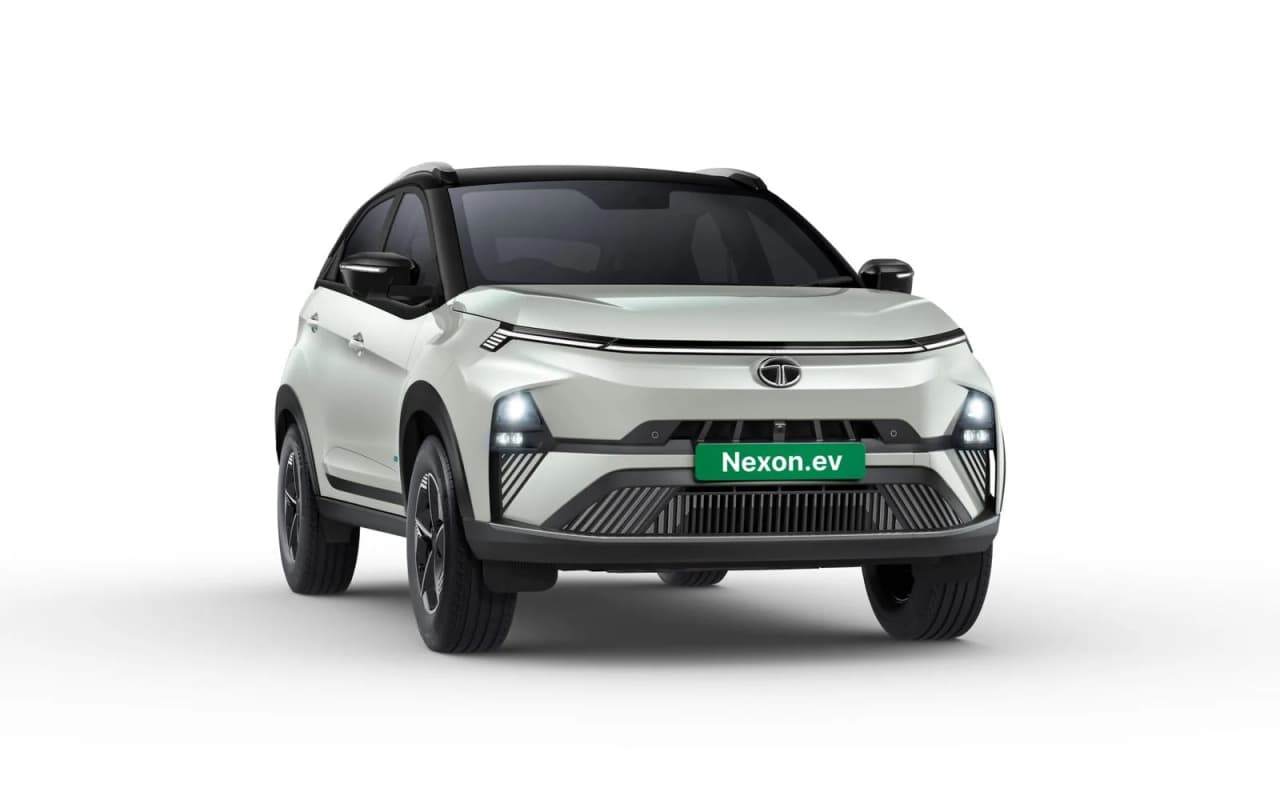
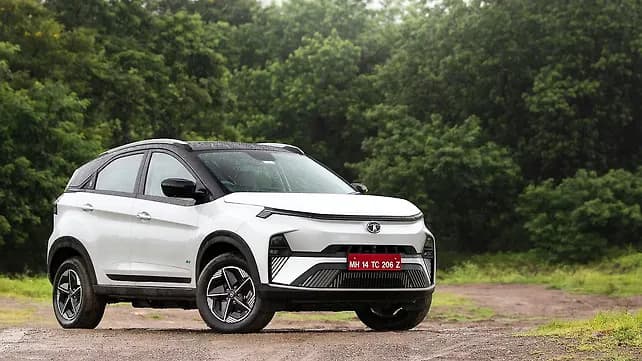
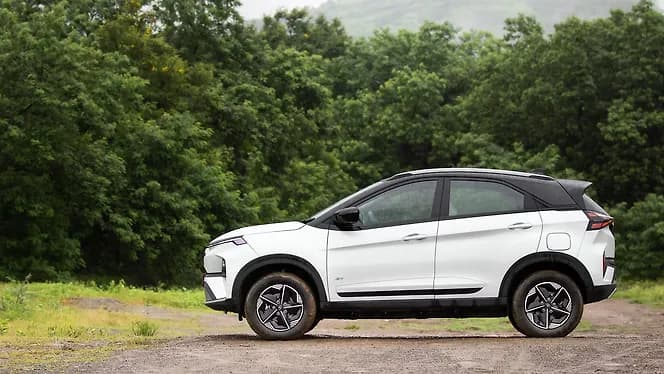
- Tata Nexon EV K3 price in Nepal: Rs 48.99 lakh ex-showroom
- Tata Nexon price in Nepal: Rs 34.99 lakh – Rs 42.99 lakh ex-showroom, 5 variants
Our own record on this
Each is a dated change we applied to a published ex-showroom price after checking it. A logged change may be a distributor's revision or our own correction coming into line with the official figure — the log says which way each one moved, and when, not why.
See the full price-change log →- Tata Nexon EV: tatacars.sipradi.com.np — checked 2026-10-15
- Hyundai Venue: laxmihyundai.com — checked 2026-10-22
- Tata Nexon: tatacars.sipradi.com.np — checked 2026-10-15
- Hyundai Creta: laxmihyundai.com — checked 2026-10-22
Writes on vehicle pricing, taxation and the Nepali auto market from ongoing tracking of distributor price lists. Every price in this piece is read live from the Nepal AutoMart catalog — how we verify prices.