BYD has filed another solid-state battery patent in China, this time for a dual-electrolyte cathode structure that mixes halide and sulfide materials. For Nepali EV buyers, it does not mean any immediate change in current BYD models, but it does point to how future BYD cars in Nepal could gain more range, better safety and longer battery life.
What BYD has patented
According to the filing published by China’s patent office, BYD’s new patent describes:
- A cathode composite that combines small-particle halide electrolytes with larger-particle sulfide electrolytes.
- These electrolyte particles are blended with the cathode active material to form a new type of solid-state electrode.
- The goal is to improve the solid–solid contact inside the battery during repeated charging and discharging, one of the biggest technical challenges in all-solid-state cells.
BYD’s chief scientists have previously said that keeping this solid interface stable is a key hurdle before solid-state batteries can be mass-produced. The new document is focused on material design; it does not provide real-world test data, vehicle fitment details or a production timeline.
Where this fits in BYD’s wider battery push
The company has disclosed several solid-state–related patents over the last few years, including:
- A composite solid electrolyte membrane using inorganic particles and a polymer fiber network.
- Earlier cathode composite and dual-layer coating designs aimed at boosting energy density.
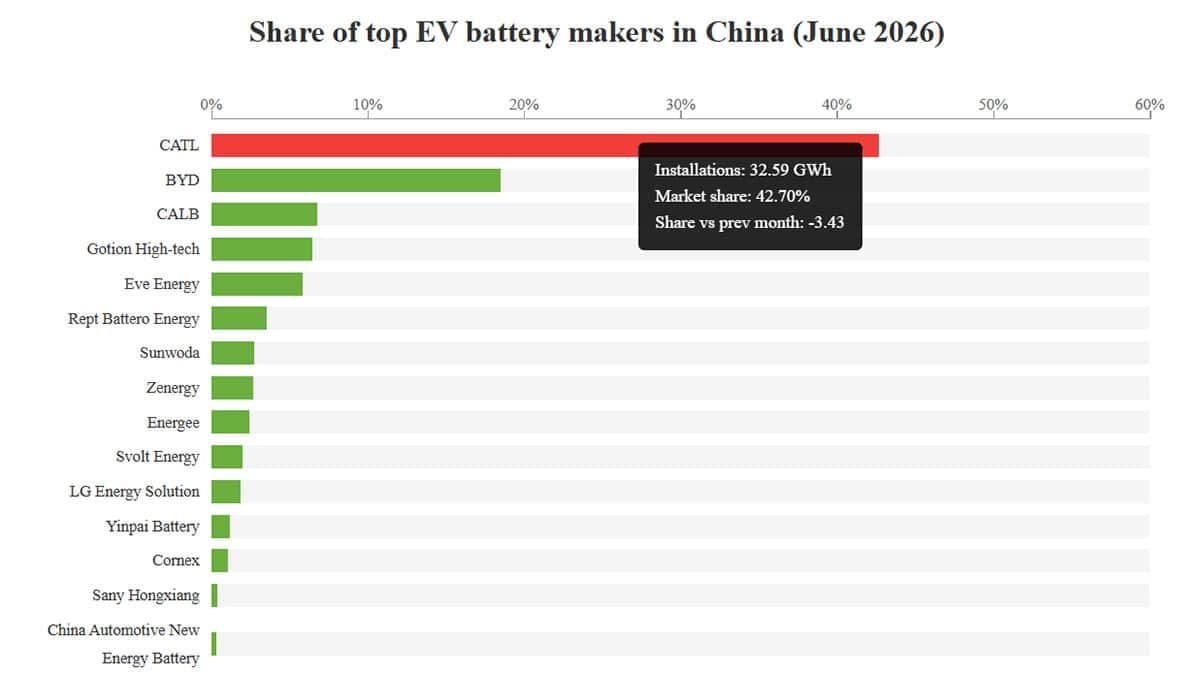
BYD executives have said that the cathode active material share has crossed 85% in its all-solid-state architecture, but have not published independent test figures. Industry leaders, including CATL, still expect large-scale solid-state adoption to be years away, mainly due to manufacturing complexity.
Why this matters for Nepal
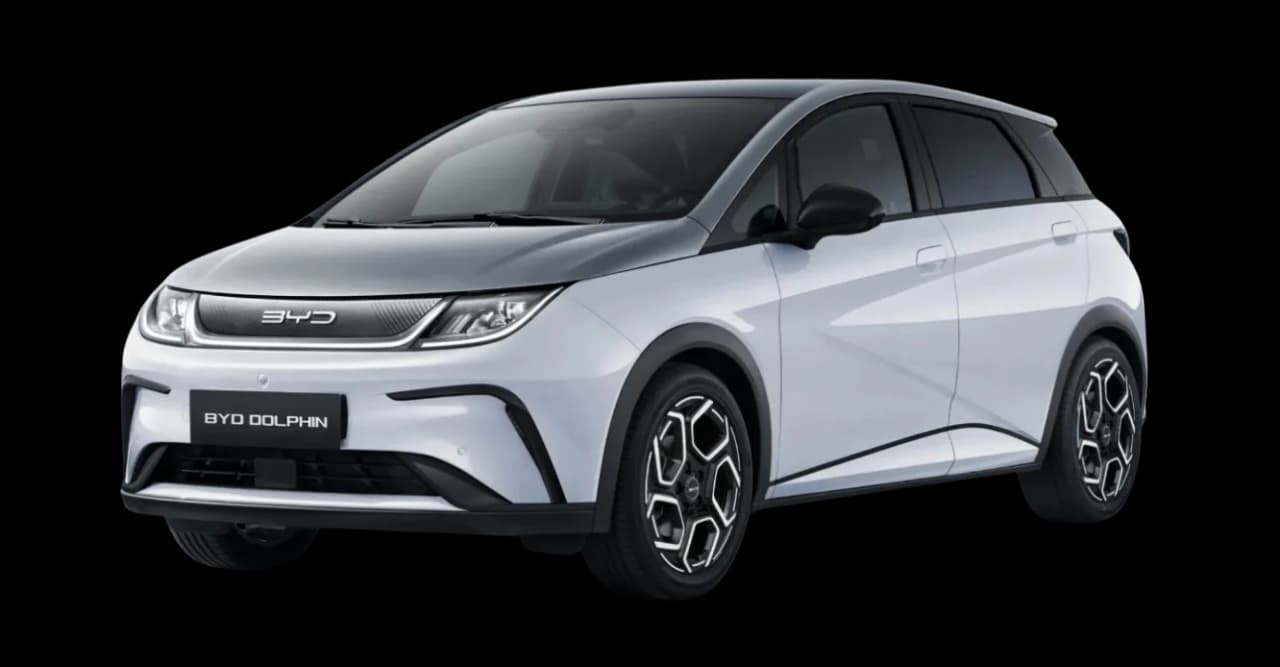
BYD already sells EVs in Nepal – for example, the Atto 3 and Dolphin – using its current Blade LFP battery technology, not solid-state. This new patent:
- Will not change specs or prices of current BYD EVs in Nepal in the near term.
- Suggests that, if BYD solves the production challenges, future BYD models shipped to Nepal could gain higher range per charge, better safety against thermal runaway, and longer battery life.
- Could, over time, help lower running costs for Nepali owners if higher energy density means fewer charging stops and slower battery degradation.
For now, Nepali buyers should treat this as an early research signal, not a product announcement. The EVs currently on sale here will continue with today’s battery tech. Any solid-state BYD model reaching Nepal is still likely several years away, depending on how quickly BYD turns these patents into mass production.
Writes on vehicle pricing, taxation and the Nepali auto market from ongoing tracking of distributor price lists. Editorial policy.