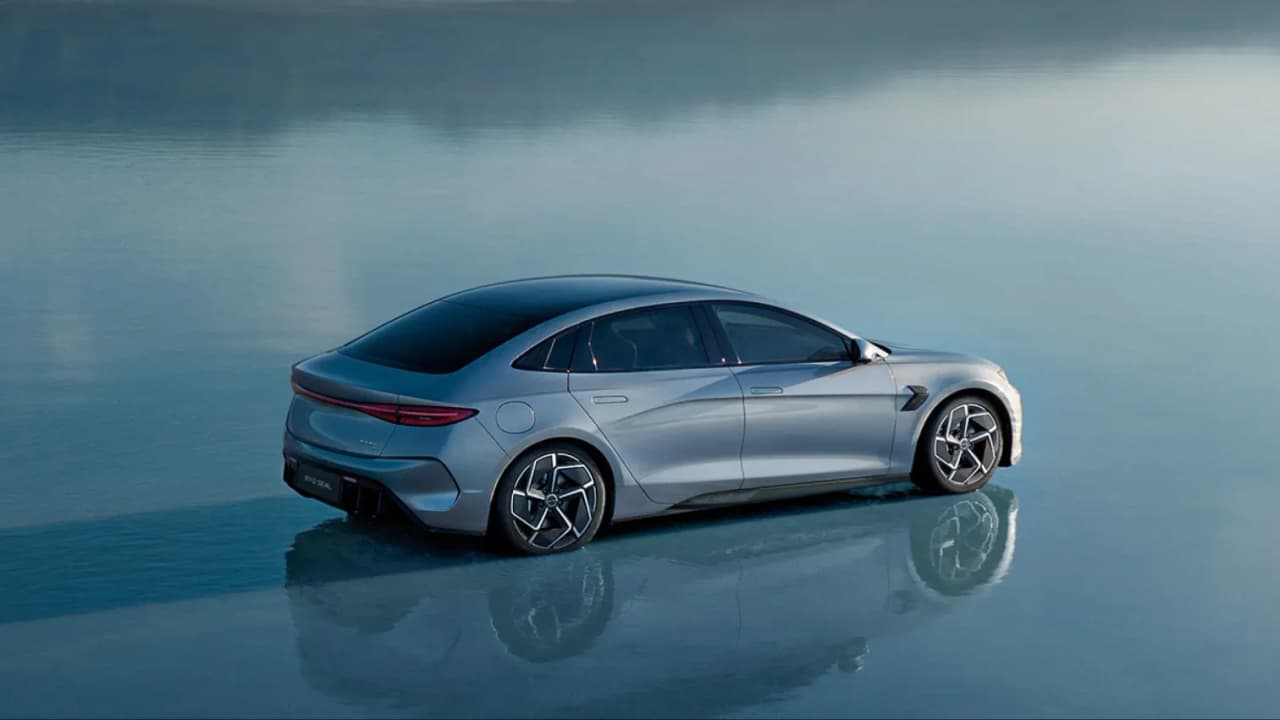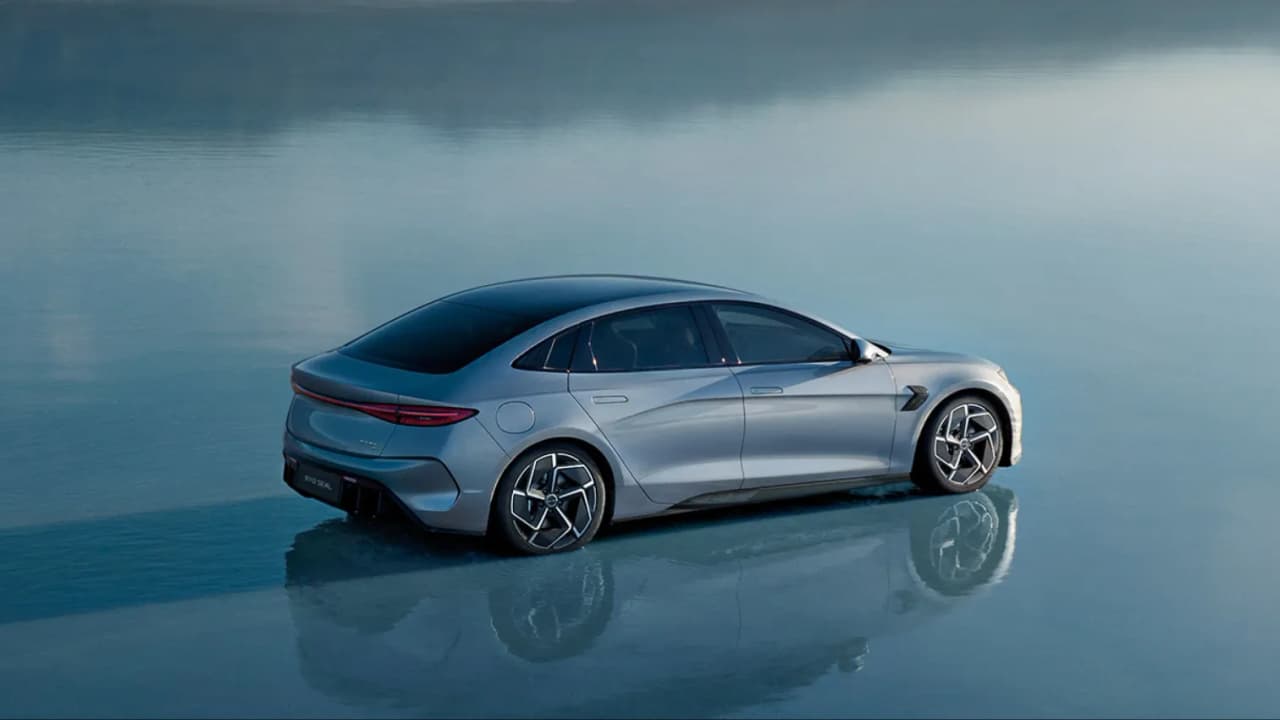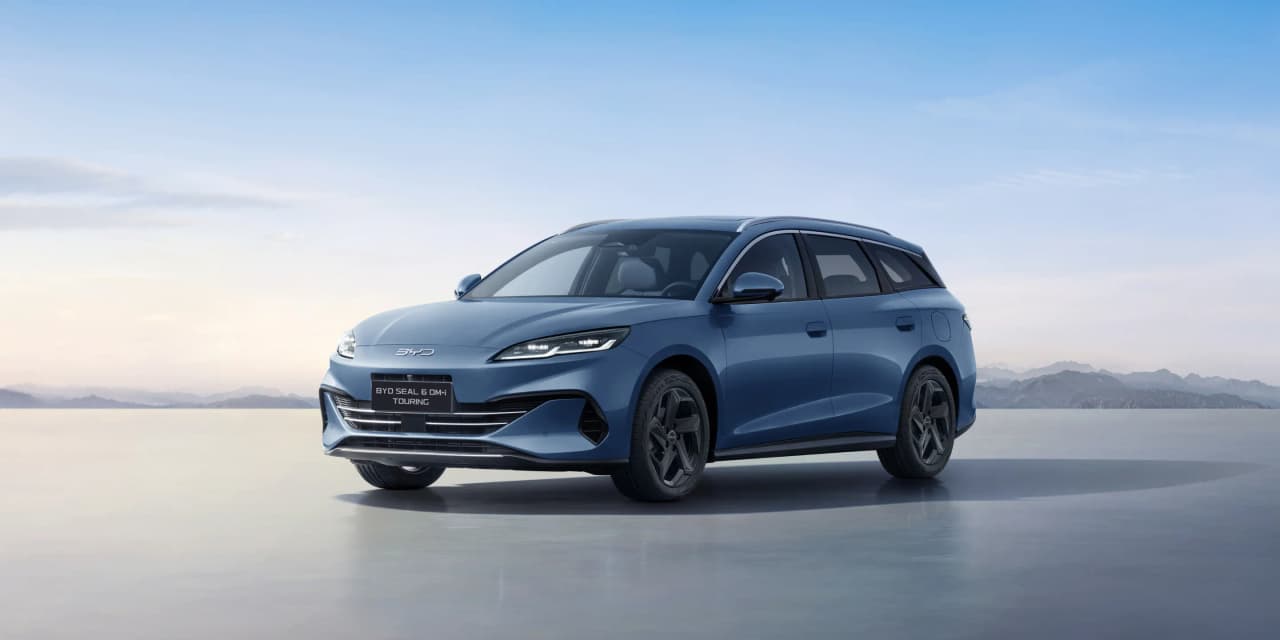
BYD has released official images of the 2027 Seal 06 sedan for the China market, previewing a notable technology upgrade: roof‑mounted LiDAR for more advanced driver‑assistance features. The vehicle has now arrived at Chinese dealerships ahead of its official launch, providing further insights into its specifications and potential impact on the Nepali market.
What BYD is changing with the 2027 Seal 06
- The new Seal 06 is described as a B‑segment family sedan with a larger footprint than the current model. It measures 4,870 mm long, 1,890 mm wide, and 1,495 mm tall, with a 2,820 mm wheelbase, making it about 15 cm longer than today’s Seal 06.
- The pure‑electric version offers two single‑motor options: 120 kW and 240 kW, an increase from the current car’s 110 kW and 160 kW. The 240 kW motor option represents an 80 kW increase over the current-generation Seal 06 EV.
- A plug‑in hybrid (PHEV) variant will pair a 1.5‑litre petrol engine with battery-only ranges of about 230 km and 320 km. That is an unusually long EV-only range for a PHEV.
- The design keeps the familiar Seal look but adds a cleaner front fascia, slimmer headlights, and a simpler full‑width rear light bar.
- Crucially, the 2027 model adds LiDAR on the roof, expected to boost functions like lane‑keeping, highway assist, and automated parking beyond the current camera‑only "God’s Eye C" system. BYD also has a version of its DiSus-C intelligent damping system in the lineup, although this has not been confirmed.
The current Seal 06 EV in China starts at 109,800 yuan (roughly Rs 20–21 lakh) before local taxes, with variants going up to 129,800 yuan and a maximum CLTC range of around 545 km. Dealer information points to a pre-deduction vehicle price range of 105,000–145,000 yuan.
Nepal angle: could the Seal 06 come here?
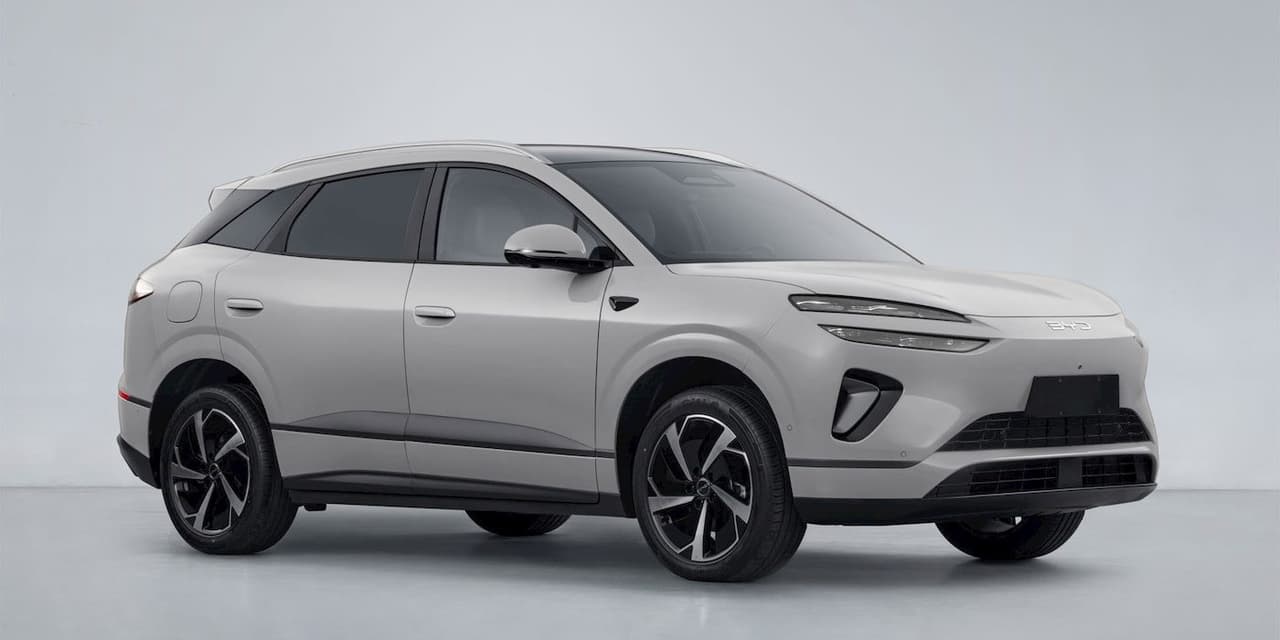
- BYD already sells models such as Atto 3 and Dolphin in Nepal through authorised distributors, so the brand’s sedan portfolio is a realistic next step.
- If BYD decides to export the Seal 06 to South Asia, Nepal typically follows after introductions in China and India, given shared supply chains and similar right‑hand‑drive requirements.
- Based on current Chinese pricing, a fully imported Seal 06 EV would likely land in Nepal at around Rs 60–80 lakh or more once customs duty, EV taxation slabs, and dealer margins are added — placing it against premium compact SUVs rather than budget hatchbacks.
- The long‑range PHEV version (230–320 km pure‑EV range) is especially relevant for Nepal, where charging infrastructure is still developing outside major cities. Such range would allow most daily commutes within the Kathmandu Valley to be driven on electricity, with petrol as backup for long highway trips.
- For buyers, the arrival of a LiDAR‑equipped BYD sedan would raise expectations on active safety and driver‑assist tech in the mid‑to‑upper EV segment, pressuring rivals from India and other Chinese brands to match features.
What Nepali buyers should watch
- No launch has been announced for Nepal yet; the 2027 Seal 06 is currently a China‑market preview.
- However, given BYD’s strategy of expanding its Seal series as an affordable EV line, any move to introduce Seal models in India or other export markets would be an early signal for possible Nepali availability.
- If it does arrive, expect:
- Price band: roughly Rs 60–80 lakh for EV variants, depending on battery size and equipment.
- Range: up to 500+ km claimed on larger-battery EV trims; 230–320 km electric‑only on PHEV trims.
- Tech: LiDAR‑supported driver assistance, advanced parking aids, and smoother highway cruising.
For now, the 2027 BYD Seal 06 is mainly a technology indicator for Nepali buyers: it shows how quickly Chinese EV sedans are evolving, and what kind of features and performance we can reasonably expect when the next wave of BYD cars reaches Nepal.
Writes on vehicle pricing, taxation and the Nepali auto market from ongoing tracking of distributor price lists. Editorial policy.