Start with the numbers
Compare at a glance
Top available variants, with prices in Nepalese rupees. Expand details to choose another variant.
| At a glance | Yamaha RayZR 125 | Honda Dio 125 |
|---|---|---|
| Ex-showroom price | Rs 3.23 lakh | Rs 3.32 lakh |
| Fuel | Hybrid | Petrol |
| Selected variant | Hybrid Disc | DLX |
Ex-showroom prices exclude registration, road tax and insurance. Specifications can vary by trim. See individual source-check dates ↓
The 125cc Battle in Nepal
The premium 125cc scooter segment in Nepal has shifted from basic commuters to tech-heavy machines. Buyers no longer look for just a reliable engine. They want features that make daily city traffic easier. The Yamaha RayZR 125 and the Honda Dio 125 are two of the most popular choices in this space. They target different needs. Yamaha focuses on its hybrid system and extreme fuel efficiency. Honda brings the refinement of its PGM-FI engine and the convenience of keyless technology. Both scooters serve as the flagship models for their respective distributors in the 125cc class.
Market Position and Variants
Yamaha RayZR 125 is imported and distributed by MAW Rides Pvt. Ltd. It sits as the tech-forward, sporty option in their lineup. It is available in two main versions. The entry-level Hybrid Drum is priced at Rs 2.92 lakh. For those wanting better tech and safety, the Hybrid Disc variant costs Rs 3.23 lakh.
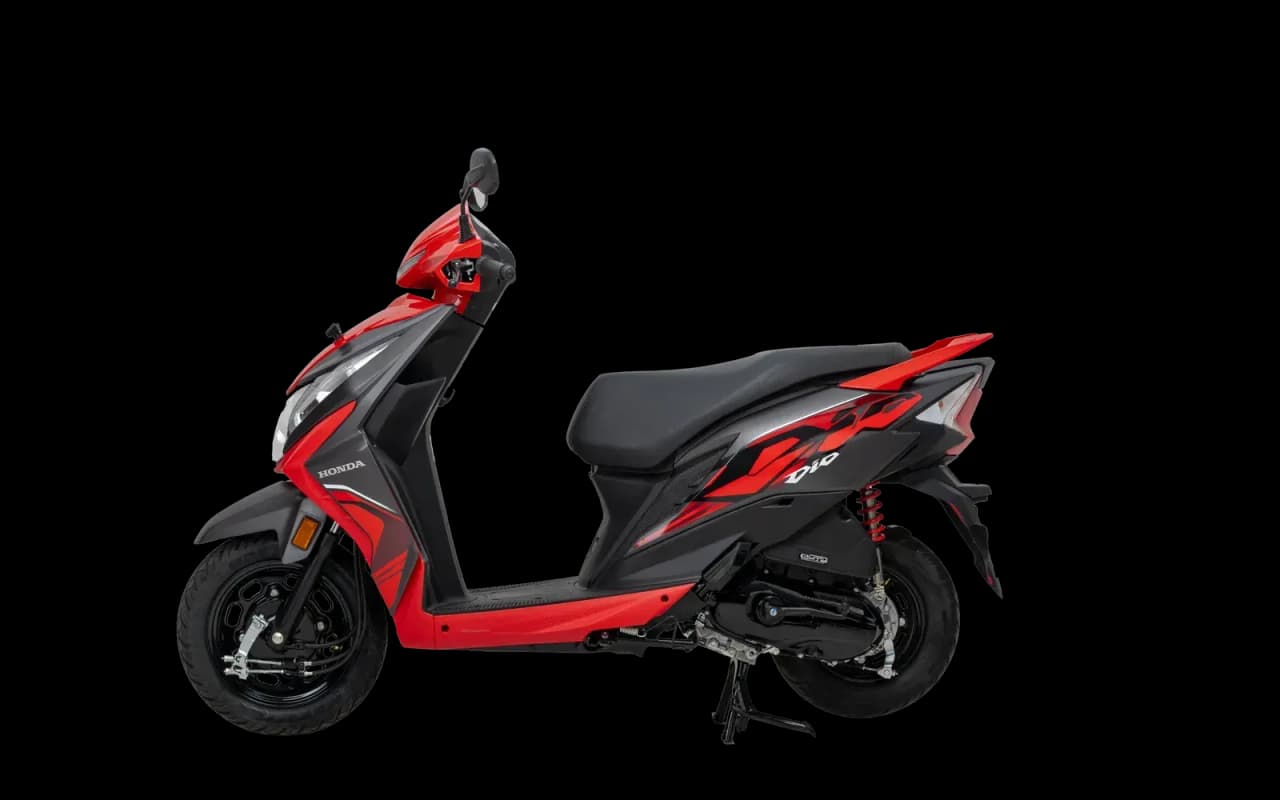
Honda Dio 125 comes through Syakar Trading Company Pvt. Ltd. It builds on the massive legacy of the Dio 110 but adds more power and premium features. The STD variant starts at Rs 3.15 lakh. The top-tier DLX variant, which features the H-Smart keyless system, is priced at Rs 3.32 lakh. This puts the top-end Dio at a premium of about Rs 9,000 over the highest-spec RayZR.
Design and Aesthetics
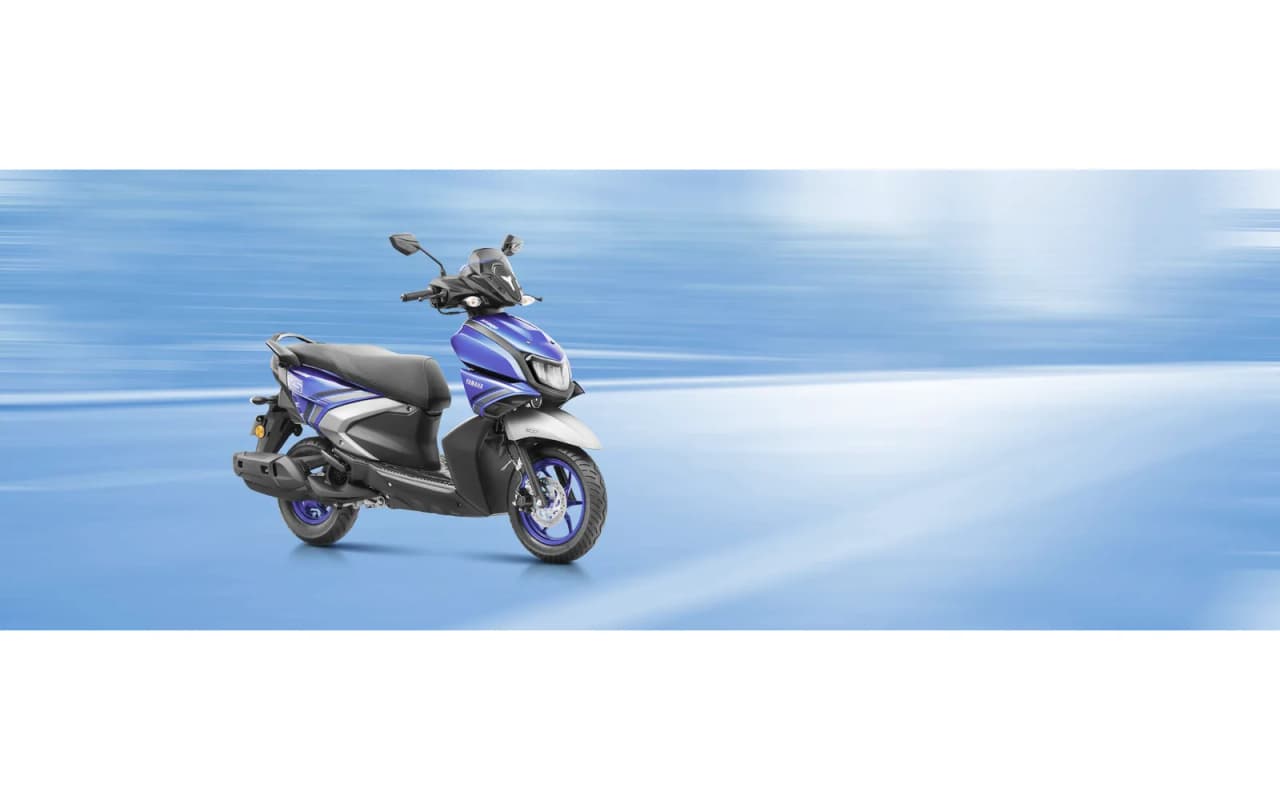
Yamaha RayZR 125 takes a very aggressive approach to design. It looks sharp and futuristic. The front features a motorcycle-like telescopic fork setup with brush guards on some trims. It uses a 12-inch front wheel and a 10-inch rear wheel. The rear tyre is wider at 110 mm with a block pattern, giving it a rugged look. The LED position light and sharp body lines appeal to younger riders who want a sporty presence.
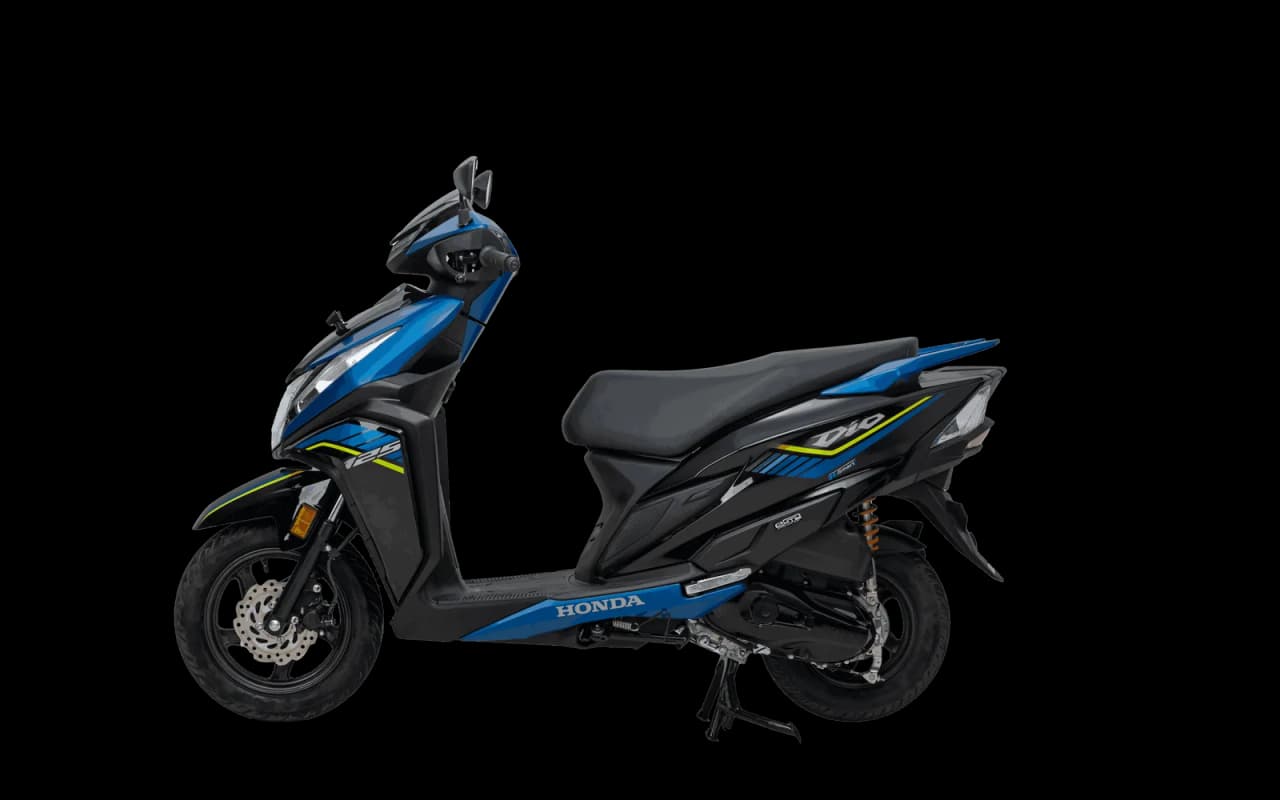
Honda Dio 125 stays closer to its roots but feels more substantial than the 110cc model. It uses bold graphics and dual-tone colours. The front has a signature LED headlamp and split position lamps. One standout design element is the dual-tip muffler, which gives it a more "big-bike" exhaust look. Like the Yamaha, it uses a 12-inch front and 10-inch rear wheel setup. It feels refined and less polarized than the sharp-edged RayZR.
Engine Performance and Hybrid Tech
Yamaha RayZR 125 uses a 125 cc air-cooled engine. The core of its performance is the Smart Motor Generator (SMG) system. This provides a hybrid power assist. When you start from a stop, the SMG works as an electric motor to give extra torque for about three seconds. This helps in quick overtakes in Kathmandu traffic. The engine produces 8.2 PS of power and 10.3 Nm of torque. It is a smooth system that also enables a silent start and an automatic stop-start system to save fuel at traffic lights.
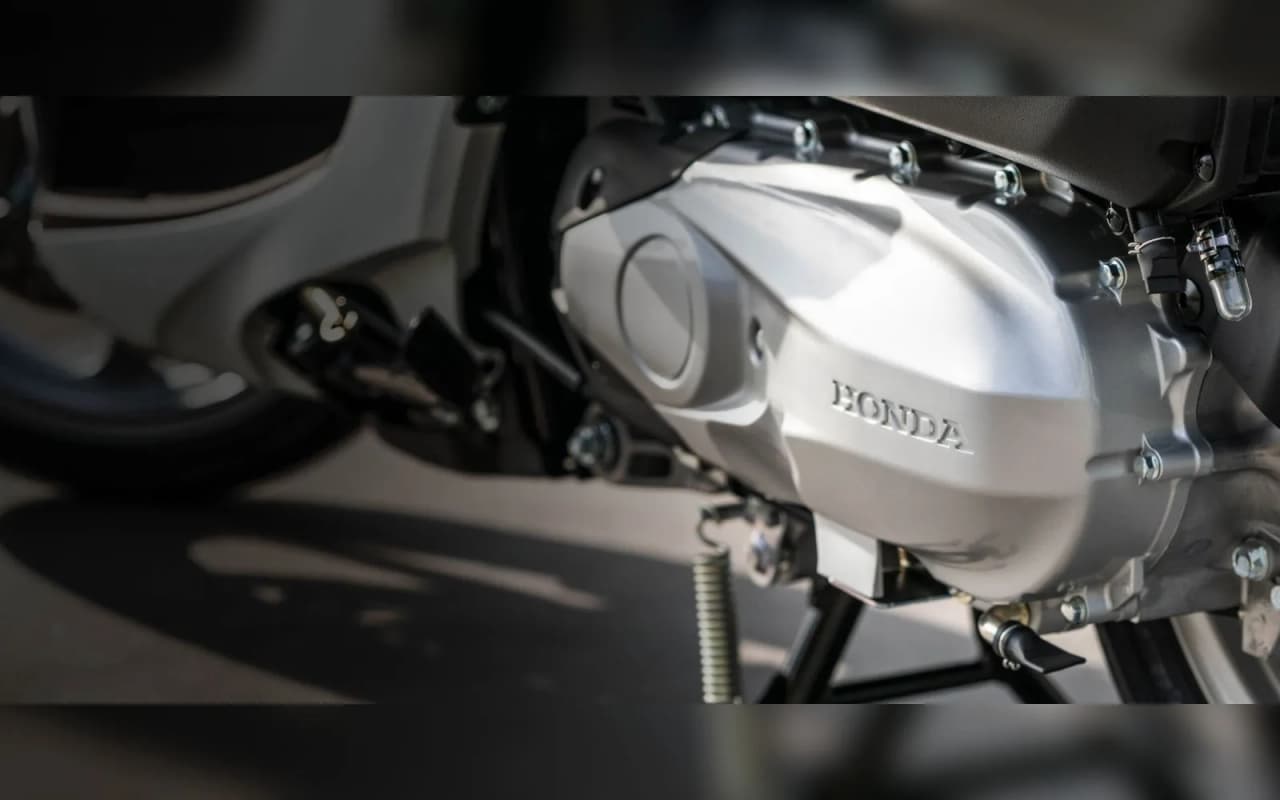
Honda Dio 125 uses a 123.92 cc PGM-FI engine with Enhanced Smart Power (eSP) technology. It is famous for its vibration-free operation. The power output is slightly higher at 8.3 PS, and torque is marginally better at 10.4 Nm. While it does not have the hybrid electric assist of the Yamaha, it features an ACG starter for silent starts and its own Idling Stop System. On the road, the Honda feels slightly more refined at higher speeds, while the Yamaha feels punchier off the line because of the hybrid boost.
Fuel Efficiency and Running Costs
This is where the biggest gap exists between the two. Yamaha RayZR 125 is the efficiency leader in Nepal. It has a claimed ARAI mileage of 71.33 km/l. Even in real-world Nepal traffic, riders often report over 55-58 km/l. With its 5.2 L fuel tank, the theoretical range on a full tank is over 370 km.
Honda Dio 125 has a claimed mileage of 48 km/l. In city use, reported figures usually hover around 45 km/l. It has a slightly larger 5.3 L fuel tank. Comparing the two, if you ride 1,000 km in a month, the RayZR would use approximately 14 liters of petrol based on its claimed figure. The Dio 125 would use about 20.8 liters for the same distance. This makes the RayZR significantly cheaper to run over long periods.
Ride, Handling, and Ground Clearance
For Nepali roads, ground clearance is a deciding factor. Honda Dio 125 has a clear advantage here. It offers 160 mm of ground clearance. This is much better for navigating high speed breakers and potholes without scraping the underbody. It also has a lower seat height of 765 mm, making it very accessible for shorter riders. The ride is stable, and the 3-step adjustable rear suspension allows you to tune it for a pillion rider.
Yamaha RayZR 125 is the lighter scooter. At just 99 kg, it is one of the lightest 125cc scooters available. This makes it incredibly easy to flick through traffic or move in a tight parking spot. However, its ground clearance is 145 mm. This is on the lower side for many of Nepal's unpaved or poorly maintained urban roads. The seat height is also higher at 785 mm, which might feel slightly tall for some.
Features and Convenience
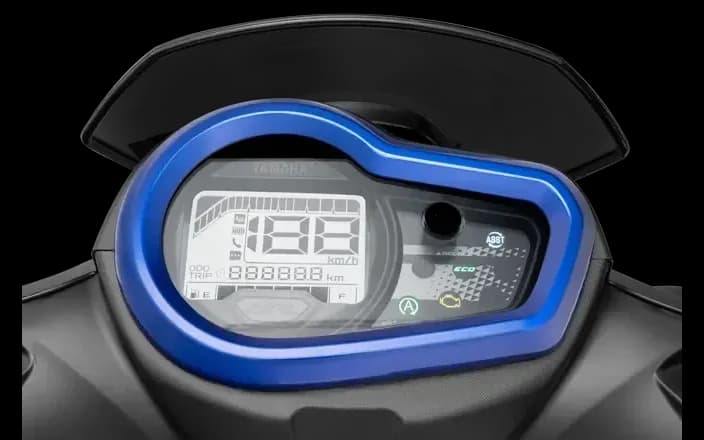
Yamaha RayZR 125 Hybrid Disc (Rs 3.23 lakh) comes with a full digital instrument cluster and a 21-liter underseat storage area. It has a multi-function key switch that controls the seat lock. One unique feature is the side-stand engine cut-off switch, which prevents the engine from starting if the stand is down. It also features a Unified Braking System (UBS) for its front disc brake.
Honda Dio 125 DLX (Rs 3.32 lakh) counters with the H-Smart keyless system. This is a major convenience feature. You can find your scooter in a parking lot using the smart key, unlock it without inserting a physical key, and start it with a knob. The intelligent meter on the Dio also tracks real-time mileage and distance to empty. It has a front glove box for small items and an external fuel lid, so you do not have to open the seat at petrol pumps. However, its underseat storage is smaller at 18 liters.
Safety and Braking
Safety features differ significantly. Honda Dio 125 comes with an ABS system, which is a rare and highly valuable safety addition in this class. It uses a 190 mm front disc brake on the DLX variant. This provides excellent stopping power and confidence on slippery roads.
Yamaha RayZR 125 does not offer ABS. It relies on its Unified Braking System (UBS), which applies the front brake partially when you hit the rear brake lever. While the Hybrid Disc variant provides decent stopping power, it lacks the advanced locking prevention that an ABS system offers. Both scooters use tubeless tyres as standard.
Warranty and After-Sales
Yamaha has 197 showrooms across Nepal and 86 service centres for maintenance. They offer a standard 2-year or 30,000 km warranty. To keep the warranty valid, owners must follow a strict service schedule of 6 free and 5 paid services at authorized centers.
Honda has a wider reach with 166 showrooms and 137 service centres. Their standard warranty is also 2 years or 30,000 km. Honda’s service network is often praised for its long-term parts availability, though major service centers in Kathmandu can be quite busy. Honda also offers paid extended warranty options up to 5 years.
Verdict
The choice between these two depends on your primary concern. The Yamaha RayZR 125 is the winner for buyers who want the absolute lowest running costs and a very lightweight machine. Its hybrid assist and 71.33 km/l mileage are hard to beat for pure economy. However, the 145 mm ground clearance requires more care on rough roads.
The Honda Dio 125 is the better choice for riders who value convenience and road-clearing ability. The H-Smart keyless system and the 160 mm ground clearance make it more practical for the varied conditions of Nepal. While it is more expensive and less fuel-efficient than the Yamaha, its higher refinement and the inclusion of ABS make it a more complete premium package for urban commuting.
Compare Yamaha RayZR 125 vs Honda Dio 125 variant by variant
Explore full specifications, variants & ownership context
Compare the exact variants
Specifications, features & ownership context
Choose a variant for each vehicle. The facts below follow that exact trim; the article explains the trade-offs.
Latest catalog and directory records supplement the original analysis. Figures may have changed since publication; individual specification and price-check dates appear below.
Yamaha RayZR 125
Rs 3.23 lakh ex-showroom · source checked 27 Oct 2026
Honda Dio 125
Rs 3.32 lakh ex-showroom · source checked 28 Oct 2026
Engine & performance
| Specification / feature | Yamaha RayZR 125 | Honda Dio 125 |
|---|---|---|
| Engine displacement | 125 ccResearched · confirm · 26 Oct 2026 | 123.92 ccResearched · confirm · 22 Oct 2026 |
| Max power | 8.2 PSResearched · confirm · 27 Sept 2026 | 8.3 PSVerified specification · 11 Sept 2026 |
Brakes, tyres & suspension
| Specification / feature | Yamaha RayZR 125 | Honda Dio 125 |
|---|---|---|
| ABS | No ABSResearched · confirm · 26 Oct 2026 | ABSResearched · confirm · 22 Oct 2026 |
Dimensions & weight
| Specification / feature | Yamaha RayZR 125 | Honda Dio 125 |
|---|---|---|
| Ground clearance | 145 mmResearched · confirm · 28 Sept 2026 | 160 mmVerified specification · 31 Jul 2026 |
Yamaha RayZR 125
Showroom & service support
Distributor: MAW Rides Pvt. Ltd. (Yamaha Nepal)
197 listed brand showrooms · 86 listed brand service locations
Listed cities include Aanbu Khaireni, Attariya, Baglung, Baletaksar, Banepa, Bankasiya and 99 more.
Brand-wide directory coverage. Confirm that your nearest workshop supports this exact model, powertrain and warranty work; ask about parts availability and booking time.
Market buzz & buyer priorities
Compiled discussion, including buyer reactions and ownership reports; this is not a verified owner survey or a reliability score.
No substantive market-feedback summary is recorded yet. Ask recent owners about their usage, service experience and recurring costs.
Explore Yamaha RayZR 125 market buzz ↗Honda Dio 125
Showroom & service support
Distributor: Syakar Trading Company Pvt. Ltd.
166 listed brand showrooms · 137 listed brand service locations
Listed cities include Attariya, Baglung, Banepa, Barahathawa, Bardaghat, Bardibas and 78 more.
Brand-wide directory coverage. Confirm that your nearest workshop supports this exact model, powertrain and warranty work; ask about parts availability and booking time.
Market buzz & buyer priorities
Compiled discussion, including buyer reactions and ownership reports; this is not a verified owner survey or a reliability score. Research dated 17 Oct 2026.
What people like
- Nice scooter for daily use and for a long trip
- Dio scooter reliable and best engine
- Honda is more reliable and had a good selling value
More feedback
- Dio is reliable, has good resale value
- Highly reliable engine performance and smooth acceleration for city commuting
- Commendable fuel efficiency, with many owners reporting 45–55 kmpl
Concerns to investigate
- Rear tyre should be upgraded to 12 inches
- Disc brake variant not available with normal key
- Issues with Hsmart model and lack of new variants
More feedback
- Pricing is high for features offered
- Some users find the design polarizing or less aggressive than rivals like the TVS Ntorq
- Reported issues with dealership customer service and initial spare parts availability
- Braking performance is described by some as lackluster compared to competitors
- Can feel cramped for taller or heavier riders
What buyers ask for
- Availability of features like disc brakes
- Ground clearance for varied road conditions
Nepal ownership context
- Widely available through Syakar Trading Company with a broad service network across Nepal
- Ground clearance of 171mm is generally considered sufficient for most urban Nepali roads
- Resale value is expected to remain strong due to the established Honda brand reputation in Nepal
More feedback
- Pricing is positioned in the premium 125cc segment, often compared against the TVS Ntorq and Honda's own legacy models
Use these facts alongside the article’s full analysis. Check the final quotation, warranty terms and exact equipment before booking.
Evidence & next steps
Check the details before you buy
Use this guide to build a shortlist. Ask for a written quotation for your chosen variant, including registration, taxes, insurance, finance charges and any charger installation. Confirm the nearest authorised workshop supports that model.
Price sources and dates
These are the recorded distributor-source checks for the selected overview trims. They are separate from the article update and catalog read dates; they do not mean every trim was rechecked today. Confirm the final price with the distributor.
Overview photos come from the corresponding model records; additional article photos carry their own credits. Running costs depend on usage, energy prices, maintenance, insurance and resale value.