Car imports fall, overall market still active
Nepal’s vehicle market showed a mixed picture in fiscal year 2082/83. According to the Department of Customs, imports of four‑wheeler vehicles (cars, jeeps, vans) went down, while two‑wheelers and petrol cars moved up strongly.
Over the year, Nepal imported around Rs 30 billion worth of four‑wheelers and about Rs 36 billion worth of two‑wheelers. Even with a slowdown in cars and EVs, the numbers point to steady demand for vehicles.
Fewer cars overall, EVs lead the decline
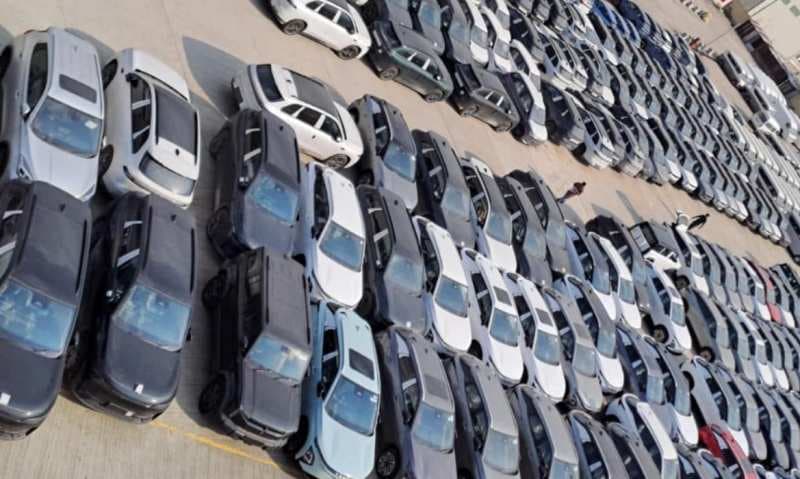
The country imported 15,806 units of cars, jeeps and vans in 2082/83, down from 17,720 units a year earlier. That is a 10.80% drop in car imports.
From these four‑wheeler imports, the government collected about Rs 26.06 billion in tax revenue.
The biggest pullback was in electric car imports. Imports of electric cars, jeeps and vans fell by 20.11% compared with the previous year.
Last year, Nepal brought in 10,847 units of EVs, worth about Rs 25.56 billion. This is 2,731 fewer EVs than the year before. EV growth has clearly cooled after several years of rapid expansion.
Most of the EVs entering Nepal are in the 51–100 kW power band. This power range covers many of the compact and mid‑size electric crossovers and SUVs popular in the market.
By country of origin:
- China supplied 7,648 EVs
- India supplied 2,339 EVs
- Thailand supplied 824 EVs
Nepal also imported 3,291 commercial EVs, such as electric buses, pickups and vans used for business and fleet operations.
Petrol cars rebound
While EVs slowed, petrol‑powered cars bounced back.
Imports of petrol cars rose by 19.72% in 2082/83. Nepal imported 4,959 petrol cars worth around Rs 4.68 billion, generating about Rs 10.58 billion in government revenue.
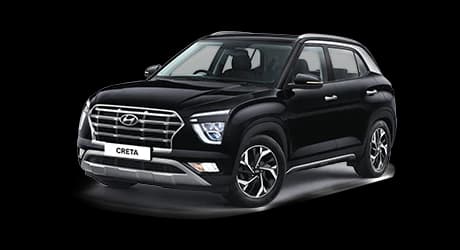
Within petrol cars, the Hyundai brand dominates. Out of the total petrol car imports, 2,280 units arrived in unassembled (CKD) form, to be assembled locally by Hyundai’s assembly operations in Nepal. This assembly push helps cut costs, supports local jobs and keeps model availability strong for buyers.
Two‑wheelers: strong growth and local assembly
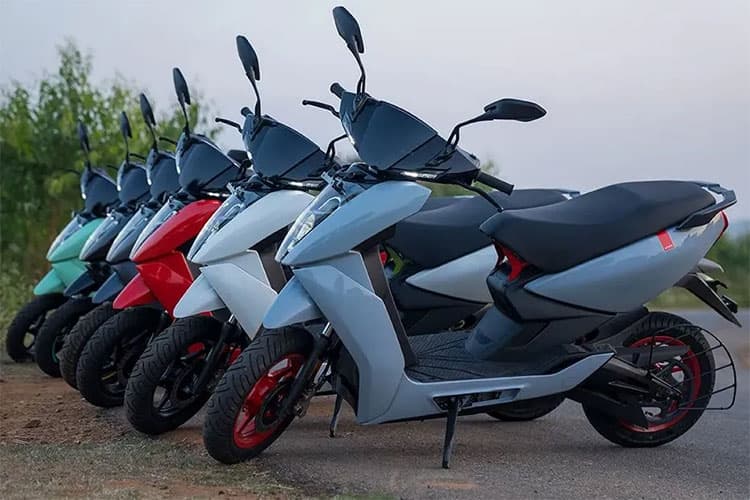
On the two‑wheeler side, the story is very different. Imports of motorcycles and scooters rose sharply.
In 2082/83, Nepal imported 276,769 units of bikes and scooters, with a total customs value of about Rs 36.01 billion. This is roughly a 30% increase in two‑wheeler imports, reflecting strong everyday mobility demand.
The government earned about Rs 32.97 billion in revenue from two‑wheeler imports.
A large majority of these bikes and scooters are brought in as parts and assembled inside Nepal:
- 82.16% of two‑wheelers (227,834 units) arrived unassembled (CKD)
These units are then built and distributed by various assembly industries based in Nepal. Local assembly helps keep prices competitive and widens the choice of models available across the country.
What this means for Nepali buyers
For Nepali car and bike shoppers, these trends mean:
- More choices and strong supply in petrol cars and two‑wheelers, especially locally assembled models that can be more affordable and easier to service.
- EVs remain a major part of imports, but growth has cooled, so some models or variants may be less readily available than during the recent EV boom.
- With China, India and Thailand leading EV supply, most electric options will continue to come from these markets, particularly in the 51–100 kW segment.
As policy, taxation and buyer preferences shift, Nepal’s market is trying to find a balance between electric mobility and conventional petrol vehicles, with two‑wheelers still the primary choice for daily travel.
Writes on vehicle pricing, taxation and the Nepali auto market from ongoing tracking of distributor price lists. Editorial policy.