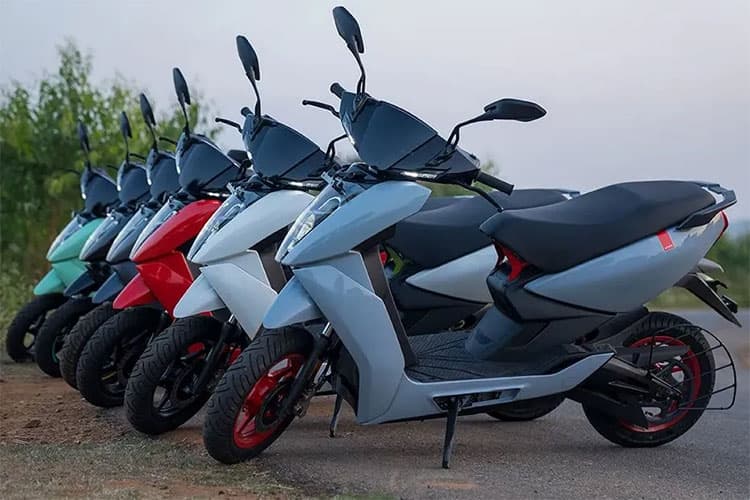
Electric two-wheelers gain ground in Nepal
Nepal’s electric scooter and motorcycle market is growing rapidly, with more riders choosing battery power over petrol for their daily commute.
According to the Department of Customs, Nepal imported 26,115 electric scooters and motorcycles in FY2025/26, the highest annual figure so far. This is a 131% jump from 11,320 units in the previous fiscal year.
Over the same period, total two-wheeler imports reached 277,291 units, meaning electric two-wheelers now account for 9.42% of all imported bikes and scooters. Six years ago, their share was below 1%, showing how quickly the segment has expanded.
Six years of steady growth
Customs data indicate that electric two-wheeler imports have risen every year for the past six fiscal years:
- FY2019/20: 2,265 units
- FY2020/21: 3,617 units
- FY2021/22: 7,155 units
- FY2022/23: 7,747 units
- FY2024/25: 11,320 units
- FY2025/26: 26,115 units
In FY2025/26 alone, electric two-wheeler imports were valued at Rs 2.93 billion, with the government collecting Rs 1.01 billion in revenue from duties and taxes.
High petrol prices push riders to EVs
The main reason many Nepali riders are looking at electric options is the rising cost of fuel. Petrol prices recently crossed around Rs 220 per litre and remain near Rs 200 per litre, according to market reports. For a typical daily ride of 30–35 km, many commuters say they now spend around Rs 200 per day on petrol.
In comparison, charging an electric scooter for the same distance generally costs only a fraction of that daily fuel bill, depending on battery size and local electricity tariffs. For riders with regular city commutes, this difference in running cost is becoming a key factor in the switch to EVs.
Easier finance and stronger support
Dealers and finance companies are also helping the shift. Many showrooms now offer loan schemes where monthly EMIs are similar to what riders used to pay for fuel, making it easier to move from a petrol scooter to an electric one.
At the same time, local EV distributors have expanded charging points, service centres and spare-parts networks. Newer models with longer claimed ranges have also improved rider confidence, as buyers feel more comfortable using EVs for both office commutes and short intercity trips.
Brands and market trends
More than 30 electric scooter and motorcycle brands are now sold in Nepal, though industry estimates suggest that around a dozen brands take most of the sales volume.
In contrast to the passenger EV segment, which is dominated by Chinese carmakers, the electric scooter market is led mainly by Indian manufacturers. Buyers often prefer them because of wider service coverage, easier parts availability and familiar brand names.
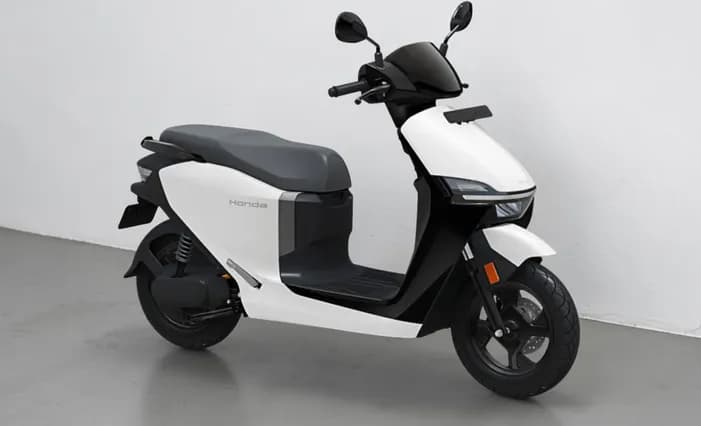
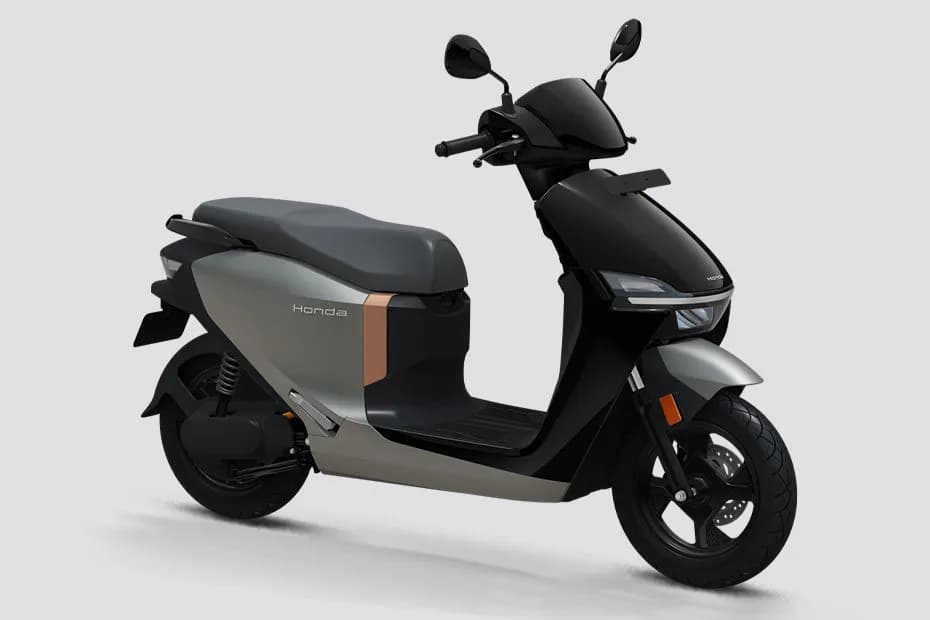
Some of the better-known electric two-wheeler brands in Nepal include Ather, Chetak, TVS, TailG, Yadea, NIU, Segway, Luyuan, Garow and Super Soco. Model line-ups vary by brand, but most now offer scooters aimed at urban riders, usually with claimed ranges of over 80–100 km per charge and top speeds suitable for city use.
What this means for Nepali buyers
For Nepali two-wheeler buyers, the latest import data show that electric scooters are moving from niche to mainstream. The growing market share, lower daily running costs, expanding service network and improving finance options suggest that more riders will consider an EV when replacing their current scooter.
However, buyers should still compare battery warranty, real-world range, service coverage outside major cities and resale value before making a final decision. As the market matures, these practical factors will matter as much as headline price and features.
Writes on vehicle pricing, taxation and the Nepali auto market from ongoing tracking of distributor price lists. Editorial policy.