US automakers push for permanent ban on Chinese connected cars
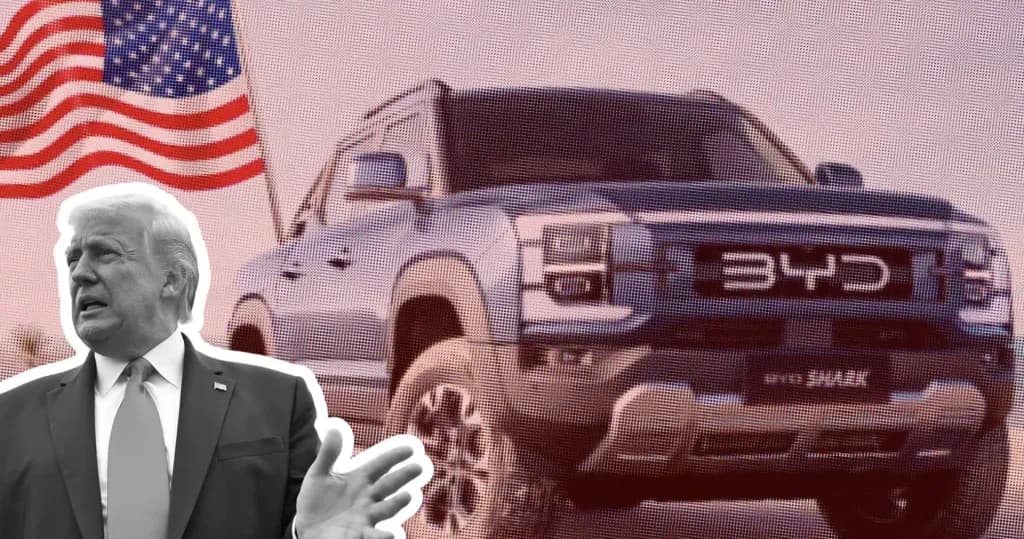
A major US auto industry body, the Alliance for Automotive Innovation, has urged Congress to permanently ban Chinese connected vehicles, hardware and software from the American market, citing economic and national security risks.
The group wants legislation passed before the current Congress session ends on January 3, arguing that existing tariffs and temporary restrictions are not enough to keep Chinese automakers out.
It warns that Chinese-built cars could collect and transmit sensitive vehicle and user data, and notes that any ban would also need to account for brands with Chinese ownership, such as Volvo (owned by Geely) and Mercedes-Benz, with nearly 20% Chinese investor stake.
Chinese brands expand in Europe and Canada
While the US considers tougher rules, Chinese carmakers are moving into other markets. Xiaomi plans to sell EVs in Europe from 2027, having already signed deals with eight German dealer groups.
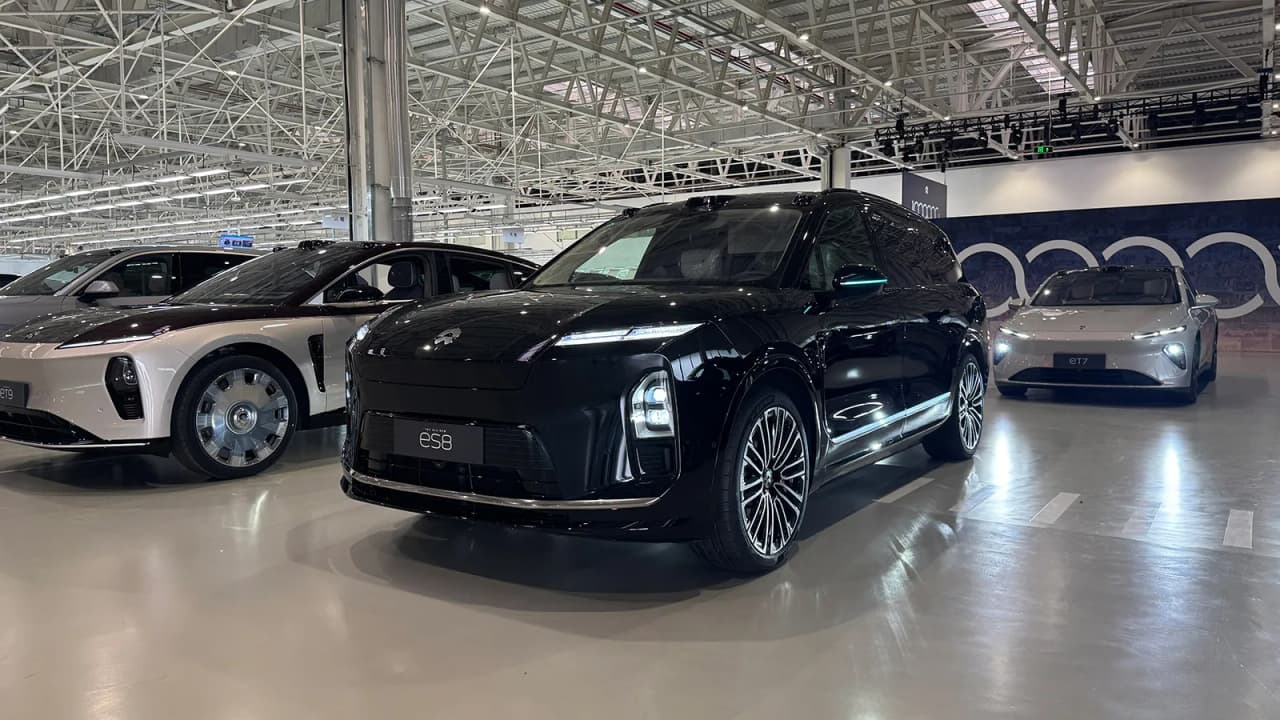
Other Chinese EV makers like BYD, Xpeng, Leapmotor and Nio now hold over 10% of Europe’s vehicle sales, strengthening their foothold.
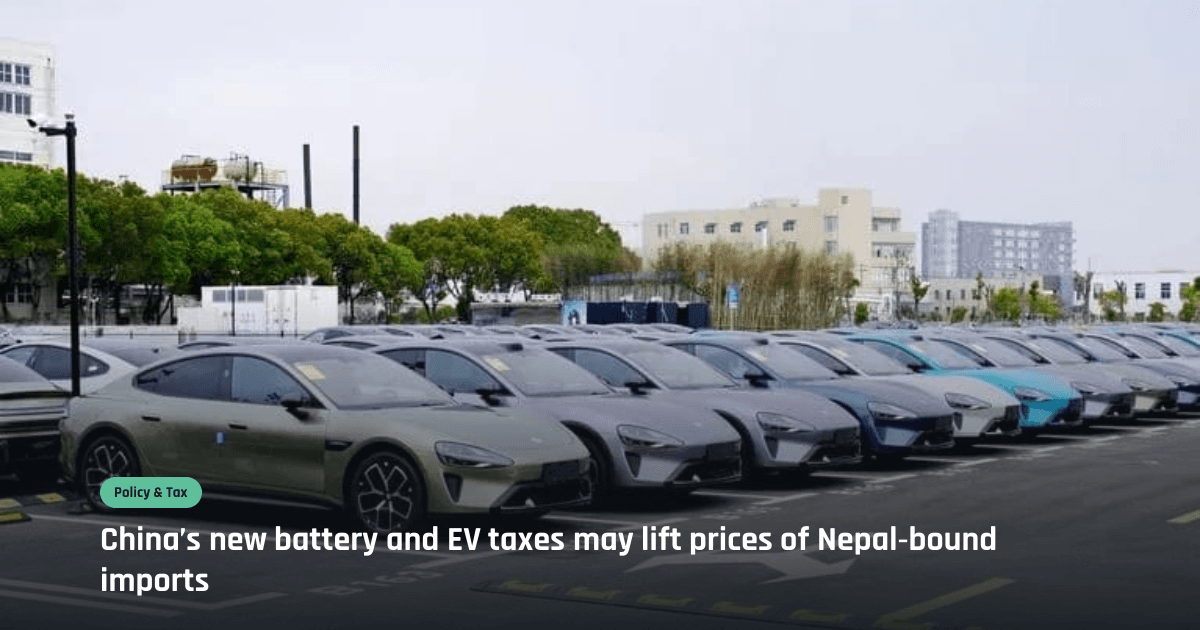
In North America, Canada has opened a new import window for Chinese electrified vehicles, allowing up to 33,397 additional units to enter under a favourable quota. Brands including BYD, Chery and Geely are preparing cars for this allocation.
Waymo robotaxis run on Zeekr-built EV platform
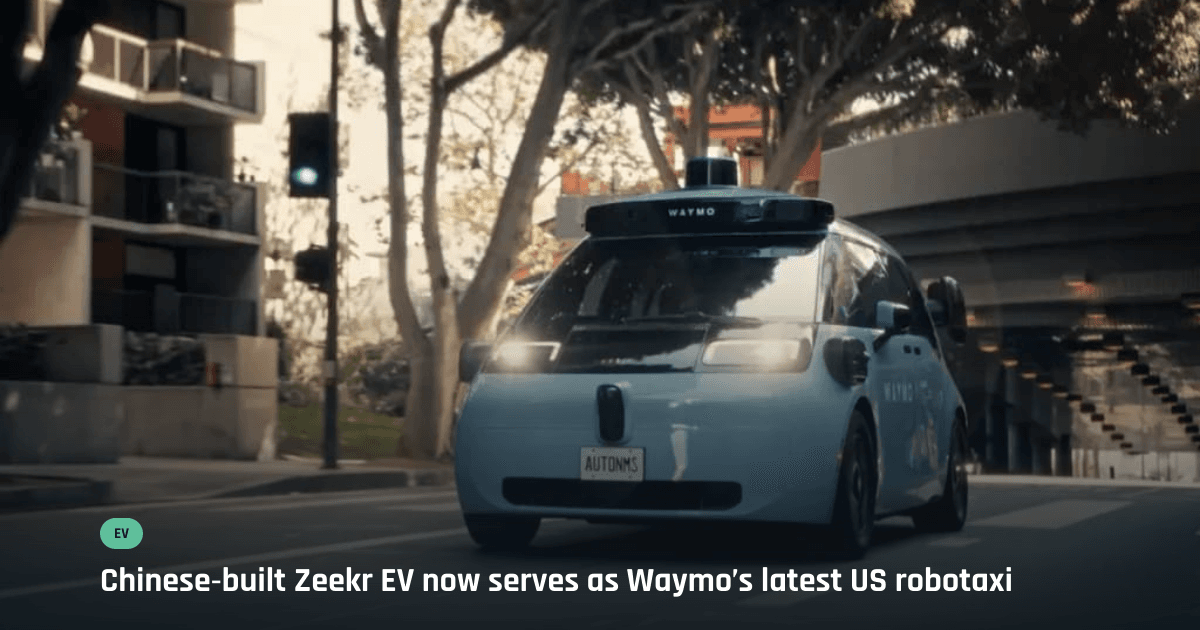
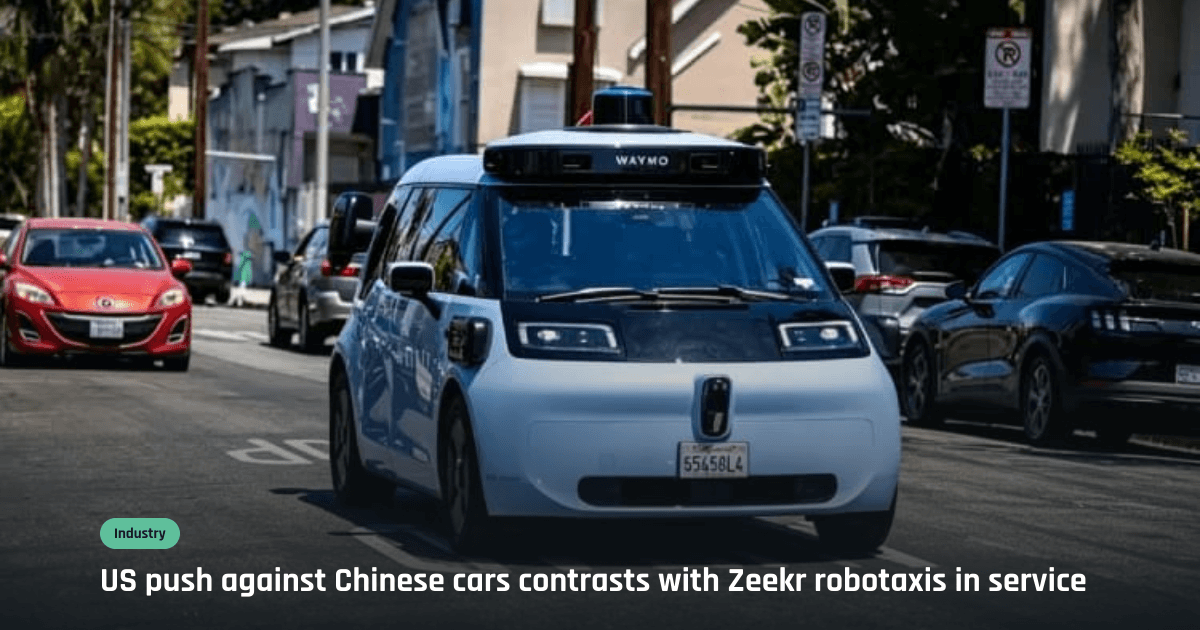
At the same time, Chinese-built EVs are already part of the US autonomous driving ecosystem. Alphabet-owned Waymo has started paid, fully driverless robotaxi services in Denver, San Diego and Tampa from September 1, 2026, taking its commercial footprint to 14 US cities.
In Denver and San Diego, Waymo uses the Zeekr-built Ojai as its exclusive robotaxi platform. Zeekr, owned by Geely Holding Group, manufactures the Ojai on the Zeekr CM1e platform in Ningbo, China.
The vehicles are shipped to the US, where Waymo fits its autonomous driving software, computing hardware and sensors before putting them into service.
This creates a striking contrast for global buyers, including in Nepal: while US automakers lobby to block Chinese connected cars, one of America’s leading autonomous mobility companies is already running Chinese-built EVs in everyday robotaxi operations.
Ford CEO Jim Farley has previously suggested that Chinese automakers could still enter the US market within five to ten years, despite growing political resistance.
For Nepali shoppers watching global policy, the key takeaway is that Chinese EV technology is spreading quickly worldwide, even as major markets debate how tightly to control connected vehicles and data security.
Writes on vehicle pricing, taxation and the Nepali auto market from ongoing tracking of distributor price lists. Editorial policy.