Start with the numbers
Compare at a glance
Top available variants, with prices in Nepalese rupees. Expand details to choose another variant.
| At a glance | TVS Ntorq 125 | Honda Dio |
|---|---|---|
| Ex-showroom price | Rs 3.35 lakh | Rs 2.85 lakh |
| Fuel | Petrol | Petrol |
| Selected variant | Ntorq XP | DLX |
Ex-showroom prices exclude registration, road tax and insurance. Specifications can vary by trim. See individual source-check dates ↓
Choosing between the TVS Ntorq 125 and the Honda Dio is a classic dilemma for Nepali buyers. These two scooters dominate the sporty segment but approach the market from different angles. One focuses on high-speed performance and aggressive technology, while the other leans on Japanese refinement, lightweight handling, and fuel economy.
Market Position in Nepal
TVS Ntorq 125 has carved out a massive niche in Nepal, particularly with younger riders who want power that rivals entry-level motorcycles. It is the flagship scooter for Jagdamba Motors and has sold over 50,000 units in the country. It is positioned as the "performance" choice, often seen as a step up for those who find standard 125cc scooters too conservative.
Honda Dio, distributed by Syakar Trading Company, is the long-standing king of the 110cc sporty segment. While it sits a bracket below the Ntorq in engine size, it competes directly for the same customer's attention. Students and urban commuters who want a scooter that looks fast but remains easy to park and cheap to run frequently choose the Dio. It holds a significant reputation for resale value and engine longevity in the Nepali second-hand market.
Design and Visual Appeal
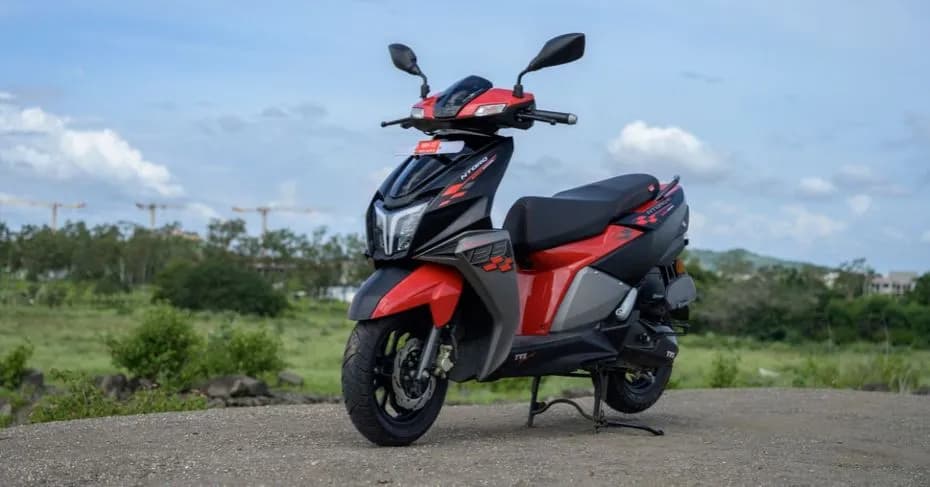
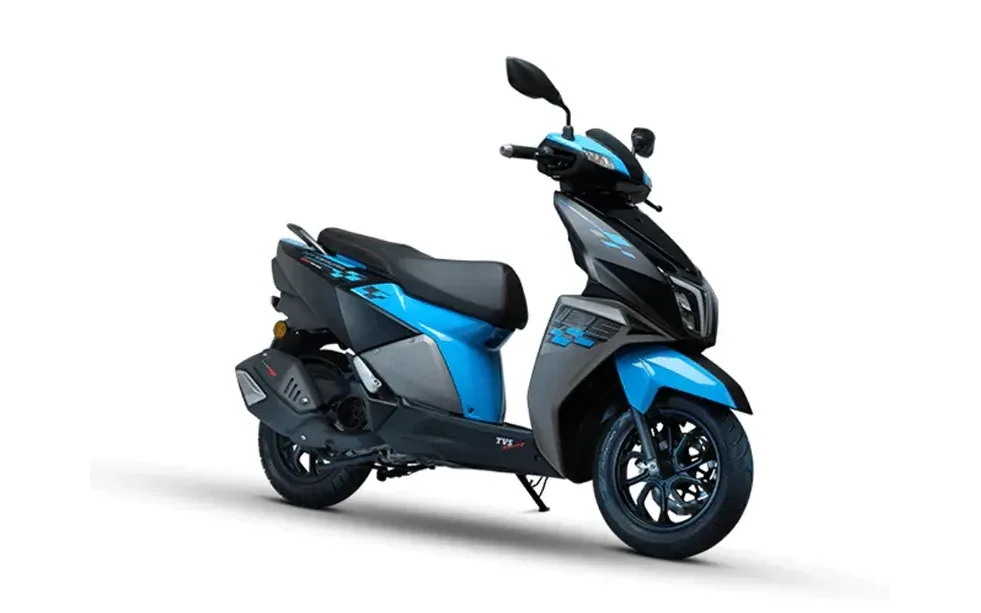
TVS Ntorq 125 features a design inspired by stealth aircraft. It has sharp creases, an angular front apron, and a distinctive T-shaped LED tail lamp. The top-tier Ntorq XP (Rs 3.35 lakh) takes this further with matte grey and red color schemes and sporty graphics that turn heads in Kathmandu traffic. It feels physically larger and more substantial than the Dio, giving it a more planted road presence.
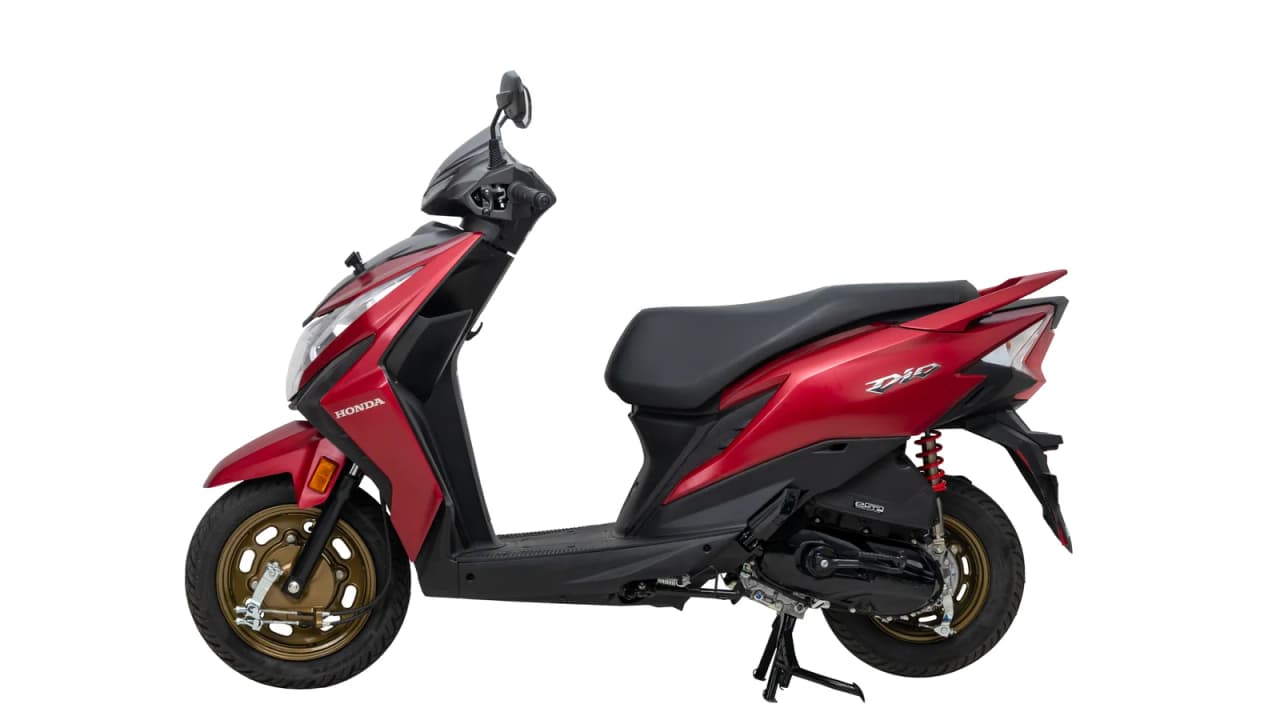
Honda Dio keeps its slim, iconic silhouette. The Honda Dio DLX (Rs 2.85 lakh) uses a more streamlined body with LED position lamps and an LED headlamp that gives it a modern, sharp face. It is lighter and more compact, making it easier to maneuver through tight lanes in areas like Asan or narrow gallis. While the Ntorq looks aggressive and bulky, the Dio looks athletic and nimble.
Performance and Powertrain
This is where the two scooters diverge significantly. TVS Ntorq 125 uses a 124.8 cc, 3-valve engine. In the Ntorq XP trim, this motor produces a reported 10.2 PS and 10.8 Nm of torque. It is currently marketed as Nepal’s first 125cc scooter to cross the 10 hp mark. The pick-up is exceptionally quick, reaching 0 to 60 km/h in 8.6 seconds. This power is useful for climbing the steep hills of central Nepal or carrying a pillion without the engine feeling strained.
Honda Dio is powered by a 109.51 cc PGM-FI engine. The Dio DLX produces 7.9 PS and 9.03 Nm of torque. While these figures are lower than the Ntorq, the Dio is roughly 8 kg lighter, weighing in at 103 kg compared to the Ntorq's 111 kg. The Honda engine is known for its extreme refinement. The silent start feature with ACG removes gear meshing noise entirely, making the start-up process almost unnoticeable. It is a smoother engine at idle and low speeds, though it lacks the Ntorq's top-end punch.
Features and Technology
TVS Ntorq 125 is the tech leader in this comparison. The Ntorq XP comes with the SmartXonnect system, which includes a full-digital console, Bluetooth connectivity, and turn-by-turn navigation assist. It even features voice assist and two riding modes: Race and Street. The Race mode sharpens throttle response, while Street mode is tuned for better efficiency. It also records top speeds and lap times for riders who enjoy tracking their performance.
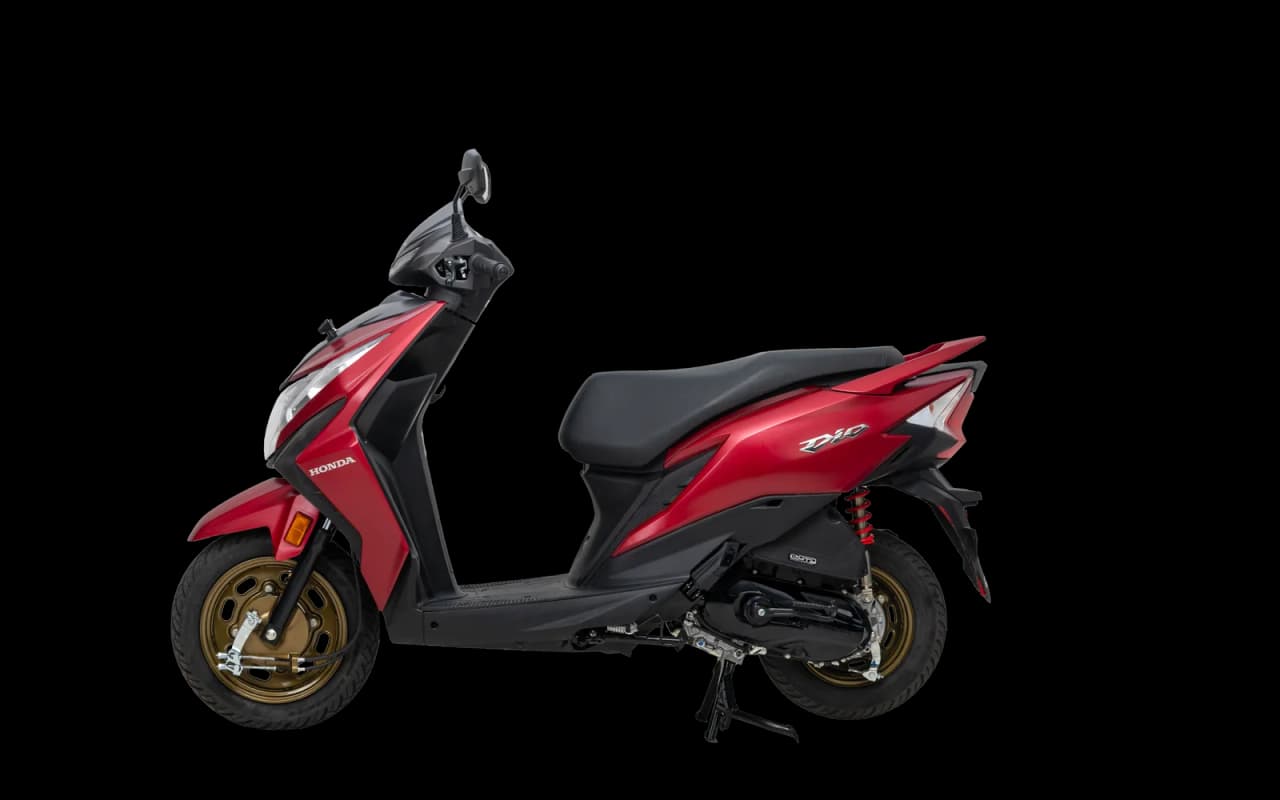
Honda Dio has introduced segment-first tech with its H-Smart technology. The Dio DLX includes a Smart Key that allows for keyless start, a smart find feature to locate the scooter in crowded parking lots, and an automatic lock system. The digital instrument cluster provides useful data like real-time mileage, average mileage, and distance-to-empty. While it lacks the navigation and performance tracking of the Ntorq, its features focus more on daily convenience and security.
Ride, Comfort, and Handling
TVS Ntorq 125 offers a sporty, firm ride. It uses a 12-inch wheel at the front and a wider 110/80-12 tyre at the rear, which provides excellent stability at high speeds. The 220mm roto-petal disc brake at the front offers strong stopping power. However, the firm suspension can feel harsh on broken city roads or unpaved sections. The seat height is 770 mm, which is comfortable for most riders, though the scooter's overall weight makes it feel slightly more demanding in slow-speed traffic.
Honda Dio provides a more relaxed, commuter-friendly ride. It uses a 12-inch front wheel but a smaller 10-inch rear wheel. This setup, combined with its lightweight frame, makes it incredibly easy to flick through traffic. The ground clearance is 160 mm, which is 5 mm higher than the Ntorq, offering slightly better protection against high speed bumps. The main drawback for the Dio DLX is the lack of a front disc brake option; it relies on 130mm drum brakes at both ends, which may feel less confident during high-speed emergency stops compared to the Ntorq.
Practicality and Running Costs
TVS Ntorq 125 has a 5.8-litre fuel tank. The Ntorq XP has a claimed mileage of 45 km/l, though real-world figures in Kathmandu often hover lower depending on the riding mode. Its underseat storage is 20 litres, enough for most half-face helmets and some personal items. It features an external fuel filler cap, which is a major convenience as you do not need to open the seat at the petrol pump.
Honda Dio is the more economical choice. The Dio DLX has a smaller 5.3-litre fuel tank, but its claimed mileage of 55 km/l means it can cover similar distances between refills. Its underseat storage is slightly smaller at 18 litres. Like the Ntorq, it also features an external fuel lid and a front pocket for storing small essentials like a phone or gloves. For riders who prioritize low running costs and high fuel efficiency, the Dio is the clear winner.
Network and After-Sales Support
TVS has an extensive presence in Nepal through Jagdamba Motors. TVS has 300 showrooms across Nepal and 53 service centres to handle maintenance. This network is particularly strong in major cities like Kathmandu, Pokhara, and Butwal.
Honda, managed by Syakar Trading Company, also has one of the most reliable networks in the country. Honda has 173 showrooms across Nepal and 142 service centres available for service. Honda’s spare parts are widely available even outside the official network, which contributes to its high popularity in rural and semi-urban areas.
Variant Comparison and Pricing
The pricing gap between these two reflects their different engine classes.
TVS Ntorq 125 Trims:
- Ntorq XP: Rs 3.35 lakh
- Standard: Rs 3.35 lakh
- Blaze Blue: Rs 3.34 lakh
- Red: Rs 3.34 lakh
- Ntorq RTFI BS6: Rs 3.16 lakh
- Ntorq Disc Fi: Rs 2.94 lakh
- NTorq Disc: Rs 2.72 lakh
- NTorq Drum: Rs 2.49 lakh
Honda Dio Trims:
- DLX: Rs 2.85 lakh
- STD: Rs 2.70 lakh
Comparing the top variants, the TVS Ntorq XP costs Rs 50,000 more than the Honda Dio DLX. For that extra investment, you get a larger 125cc engine, significantly more power, a front disc brake, and a navigation-enabled console.
Verdict
The choice depends on your daily route and riding style. The TVS Ntorq 125 is the better choice for riders who need the extra power for hilly terrain or enjoy a more aggressive, tech-heavy riding experience. Its high resale value and widespread service network make it a safe performance investment. However, its lower fuel efficiency and firmer ride are trade-offs for that power.
The Honda Dio remains the smarter choice for students and budget-conscious urban commuters. It offers superior refinement, better fuel economy, and the convenience of the H-Smart keyless system at a lower price point. While it lacks the raw speed and braking hardware of the Ntorq, its reliability and ease of use in heavy traffic make it a practical daily companion. The primary limitation of the Dio is its 110cc engine, which may feel underpowered for long highway stretches or steep inclines compared to its 125cc rival.
Explore full specifications, variants & ownership context
Compare the exact variants
Specifications, features & ownership context
Choose a variant for each vehicle. The facts below follow that exact trim; the article explains the trade-offs.
Latest catalog and directory records supplement the original analysis. Figures may have changed since publication; individual specification and price-check dates appear below.
TVS Ntorq 125
Rs 3.35 lakh ex-showroom · source checked 20 Oct 2026
Honda Dio
Rs 2.85 lakh ex-showroom · source checked 20 Oct 2026
Engine & performance
| Specification / feature | TVS Ntorq 125 | Honda Dio |
|---|---|---|
| Engine displacement | 124.8 ccResearched · confirm · 20 Sept 2026 | 109.51 ccVerified specification · 31 Jul 2026 |
| Max power | 10.2 PSResearched · confirm · 20 Sept 2026 | 7.9 PSVerified specification · 31 Jul 2026 |
Brakes, tyres & suspension
| Specification / feature | TVS Ntorq 125 | Honda Dio |
|---|---|---|
| ABS | CBSResearched · confirm · 20 Sept 2026 | CBSResearched · confirm · 17 Sept 2026 |
Dimensions & weight
| Specification / feature | TVS Ntorq 125 | Honda Dio |
|---|---|---|
| Ground clearance | 155 mmResearched · confirm · 3 Aug 2026 | 160 mmVerified specification · 31 Jul 2026 |
TVS Ntorq 125
Showroom & service support
Distributor: Jagdamba Motors Pvt. Ltd. (TVS Nepal)
300 listed brand showrooms · 53 listed brand service locations
Listed cities include Attariya, Baglung, Balkumari, BALKUMARI, Banepa, Bansgadhi and 110 more.
Brand-wide directory coverage. Confirm that your nearest workshop supports this exact model, powertrain and warranty work; ask about parts availability and booking time.
Market buzz & buyer priorities
Compiled discussion, including buyer reactions and ownership reports; this is not a verified owner survey or a reliability score. Research dated 19 Oct 2026.
What people like
- Exceptional initial pick-up and mid-range performance suitable for Kathmandu hills
- Best-in-class technology features including Bluetooth navigation and the SmartXonnect system
- Distinctive sporty exhaust note that appeals to younger riders
More feedback
- Wide variety of color options and limited editions like the Super Squad and Race XP
- High-quality digital console with comprehensive ride data
Concerns to investigate
- Lower fuel efficiency compared to competitors like the Honda Grazia or Yamaha RayZR
- Stiff rear suspension can feel uncomfortable on broken or unpaved Nepal roads
- The XT variant is perceived as overpriced for the 125cc segment
More feedback
- Mileage is the most repeated concern, especially with older carburettor versions, aggressive riding, traffic and frequent short trips.
Nepal ownership context
- Jagdamba Motors provides an extensive service network across major Nepali cities
- Holds one of the highest resale values for scooters in the Nepali second-hand market
- The Race XP variant is highly favored for its specific 'Race Mode' which handles steep inclines in cities like Pokhara and Kathmandu well
More feedback
- Ground clearance is sufficient for most urban roads but requires caution over large speed breakers when riding with a pillion
- Nepali discussions generally treat the Ntorq as a performance-focused petrol scooter rather than a mileage leader; buyers compare its fuel cost with scooters that can return better economy.
- TVS service and spare-parts access are considered practical because the model is common in Nepal, but workshop experience and genuine-parts pricing are recurring ownership concerns.
- The Ntorq's power and wider tyres are valued for Kathmandu traffic, slopes and highway use, while its weight and lower mileage matter more during dense urban riding.
Honda Dio
Showroom & service support
Distributor: Syakar Trading Company Pvt. Ltd.
173 listed brand showrooms · 142 listed brand service locations
Listed cities include Attariya, Baglung, Banepa, Barahathawa, Bardaghat, Bardibas and 78 more.
Brand-wide directory coverage. Confirm that your nearest workshop supports this exact model, powertrain and warranty work; ask about parts availability and booking time.
Market buzz & buyer priorities
Compiled discussion, including buyer reactions and ownership reports; this is not a verified owner survey or a reliability score. Research dated 17 Oct 2026.
What people like
- Stylish, sporty design popular with students
- Lightweight and easy to maneuver in city traffic
Concerns to investigate
- Stiff suspension makes riding on bumpy Nepali roads uncomfortable
Nepal ownership context
- Widely available through authorized Honda showrooms across Nepal
- Service centers and spare parts are easily accessible in major urban areas
- Preferred choice for daily commuting and college students due to brand trust
More feedback
- Resale value remains strong compared to other scooters in the same segment
Use these facts alongside the article’s full analysis. Check the final quotation, warranty terms and exact equipment before booking.
Evidence & next steps
Check the details before you buy
Use this guide to build a shortlist. Ask for a written quotation for your chosen variant, including registration, taxes, insurance and finance charges. Confirm the nearest authorised workshop supports that model.
Price sources and dates
These are the recorded distributor-source checks for the selected overview trims. They are separate from the article update and catalog read dates; they do not mean every trim was rechecked today. Confirm the final price with the distributor.
Overview photos come from the corresponding model records; additional article photos carry their own credits. Running costs depend on usage, energy prices, maintenance, insurance and resale value.