Suraj Vaidya, a well‑known figure in Nepal’s business community and a key player in the country’s Toyota vehicle distribution, has been unanimously elected as the new Dean of the Honorary Consular Corps Nepal (HCCN), according to the organization’s announcement.
Who is Suraj Vaidya?
Vaidya is a former president of the Federation of Nepalese Chambers of Commerce and Industry (FNCCI) and head of the long‑running Vaidya Organisation, one of Nepal’s established business groups.
The group has more than six decades of history in sectors including:
- Automobiles – especially as the long‑time official distributor of Toyota vehicles in Nepal
- Cement and construction materials
- Hospitality and tourism‑related businesses
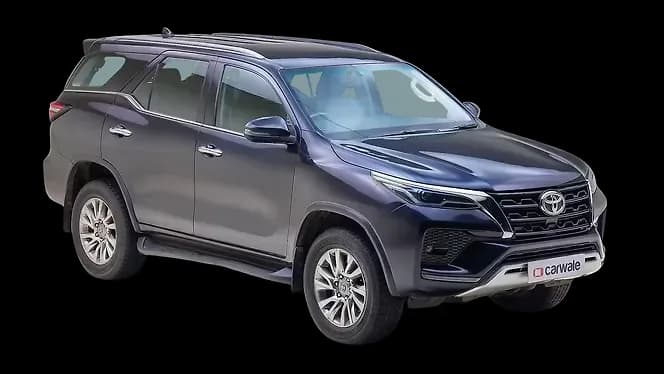
For Nepali vehicle buyers, Vaidya is particularly recognised for his role in building the Toyota brand and dealer network, which has shaped the upper end of the SUV, pickup and premium passenger car market in Nepal.
What the new role means
As Dean of HCCN, Vaidya will coordinate a network of honorary consuls representing over 64 countries, whose combined economies are reported to exceed USD 100 trillion. According to the announcement, his stated priorities in this diplomatic‑business role include:
- Promoting foreign direct investment (FDI) in Nepal
- Supporting tourism growth
- Strengthening economic diplomacy between Nepal and partner countries
He has highlighted that honorary consuls can act as a "bridge" not only between governments but also between the private sector, investors, educational institutions and local communities.
Why this matters for the auto market
For Nepal’s automotive sector, Vaidya’s appointment is relevant in several ways:
- As a leading Toyota distributor, his network and experience can help attract new investment into automotive retail, assembly, service infrastructure and EV‑related facilities.
- Closer cooperation with over 60 economies could support technology transfer, cleaner vehicle technologies and better after‑sales standards, especially in segments like hybrid and electric vehicles.
- Stronger tourism and hospitality investment would indirectly raise demand for reliable SUVs, pickups, people‑movers and rental fleets, areas where Toyota and other global brands compete.
For Nepali buyers, the direct impact will unfold over time, but the combination of Vaidya’s auto background and his new diplomatic‑business platform raises expectations of better investor confidence, potentially improved product availability and stronger long‑term support from global vehicle brands operating in Nepal.
Writes on vehicle pricing, taxation and the Nepali auto market from ongoing tracking of distributor price lists. Editorial policy.