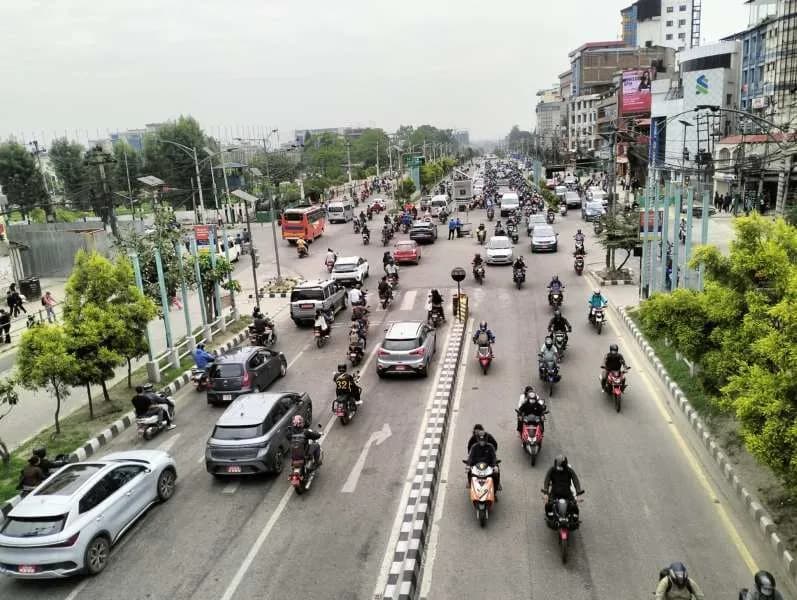
Nepal’s highway network is entering a new phase built around road tunnels, a change that will directly affect how vehicles move across some of the country’s most difficult terrain.
Nagdhunga tunnel: first modern road tunnel in regular use
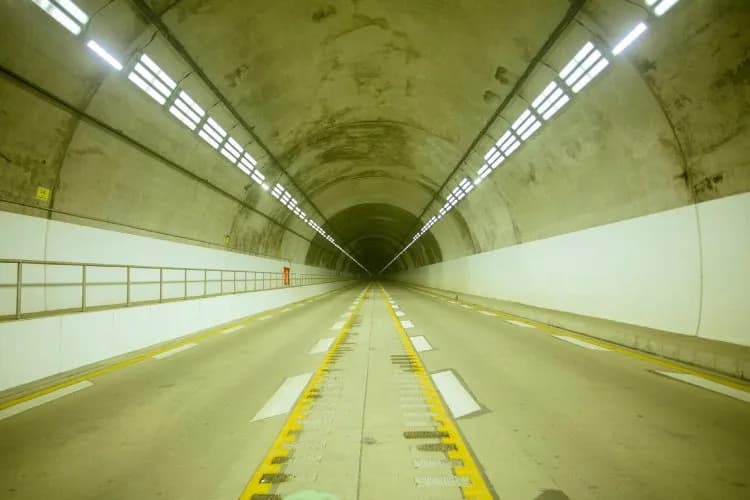
The Nagdhunga–Sisnekhola tunnel, built on the main western exit from Kathmandu, is now in operation as Nepal’s first modern commercial road tunnel. It is different from older structures such as the historic Churiyamai tunnel or hydropower access tunnels, which were not designed as proper public road corridors.
For everyday drivers, this means:
- Shorter travel time on the busy Kathmandu–Naubise section
- Less exposure to landslides and steep hairpin bends
- More predictable traffic compared to the old hillside road, especially in monsoon
Officials say the project shows that, with political support and technical cooperation, large infrastructure is possible even in Nepal’s challenging hills.
Eight tunnel projects already under construction
According to the Ministry of Physical Infrastructure and Transport, eight road tunnels are now being built across the country, with more than a dozen additional tunnels under study or detailed planning. The government has set aside around Rs 6.7 crore (Rs 670.1 million) for tunnel-related works in the current fiscal year, covering construction, studies and environmental assessments.
For vehicle users, these tunnels aim to:
- Cut distance and travel time on key highways
- Improve year-round reliability on landslide-prone sections
- Create smoother, safer routes for long-distance buses, trucks and private cars
Siddhababa tunnel: next to open on Siddhartha Highway
On the Butwal–Pokhara route, the Siddhababa tunnel on the Siddhartha Highway is expected to become Nepal’s second operational modern road tunnel by around October 2026, according to project officials.
- Tunnel length: 1,126 metres
- Construction status: About 70% of overall work completed
- Civil works: Excavation, lining and invert concrete done
- Remaining works: Ventilation, lights, communication and other electrical systems
Equipment shipments from China were delayed by monsoon-related transport issues but are expected to arrive within weeks. Once the tunnel opens, traffic will move through it while the old cliff-side road is upgraded with slope protection and rock sheds.
The project is being built by China State Construction Engineering Corporation under a contract of around Rs 7.34 billion, with the contractor also responsible for operation and maintenance for five years after completion.
Seven tunnels on Kathmandu–Tarai Fast Track
The Kathmandu–Tarai/Madhesh Fast Track expressway, one of Nepal’s national pride projects, now includes seven twin-tube tunnels with a combined one-way tunnel length of about 11.21 km. This is roughly 15.5% of the 70.8 km expressway.
Geological studies led planners to add four tunnels to the original three, because tunnel routes were found more suitable than cutting new roads on fragile hillsides.
Key tunnel sections and status:
- Lendada tunnel: First Fast Track tunnel to achieve full breakthrough in 2024; secondary lining completed and preparations underway to install electrical and safety equipment. Contract value about Rs 28.53 billion together with Dhedre tunnel.
- Dhedre tunnel (1,690 m): Achieved breakthrough in 2024; secondary lining is close to completion on both tubes.
- Mahadevtar tunnel: Will be Nepal’s longest road tunnel; around 89% excavated, with civil lining running in parallel and breakthrough expected soon. Contract worth about Rs 21.61 billion.
- Chandram Bhir tunnel: Second-longest on the expressway; around 26.5% excavation completed, with secondary lining started on finished segments.
- Devichaur tunnel: A newer addition after redesign; around 7% excavation completed, with active portal construction on the second tube.
- Sisautar tunnel: Shortest tunnel on the route; excavation is progressing on one tube, while portal works continue on the other side.
- Mahuribhir tunnel: Currently in the portal construction stage; full excavation will start after portal works are finished.
All seven tunnels are being built as twin tubes, meaning separate passages for each direction. This design should improve safety and allow better traffic management once the expressway opens.
Fast Track still several years from use
Even though tunnel construction is moving ahead, the Fast Track expressway cannot open tunnel sections individually; they will start service only after the whole route is ready for traffic.
- Construction start: 2017
- Overall physical progress: About 48.72%
- Total spending so far: Around Rs 92.68 billion
For vehicle owners, this means immediate benefits will come from the Nagdhunga and Siddhababa tunnels first, while the largest changes to long-distance travel between Kathmandu and the Tarai will arrive later, once the entire Fast Track—including its seven tunnels, bridges and road sections—is completed and opened for traffic.
Writes on vehicle pricing, taxation and the Nepali auto market from ongoing tracking of distributor price lists. Editorial policy.