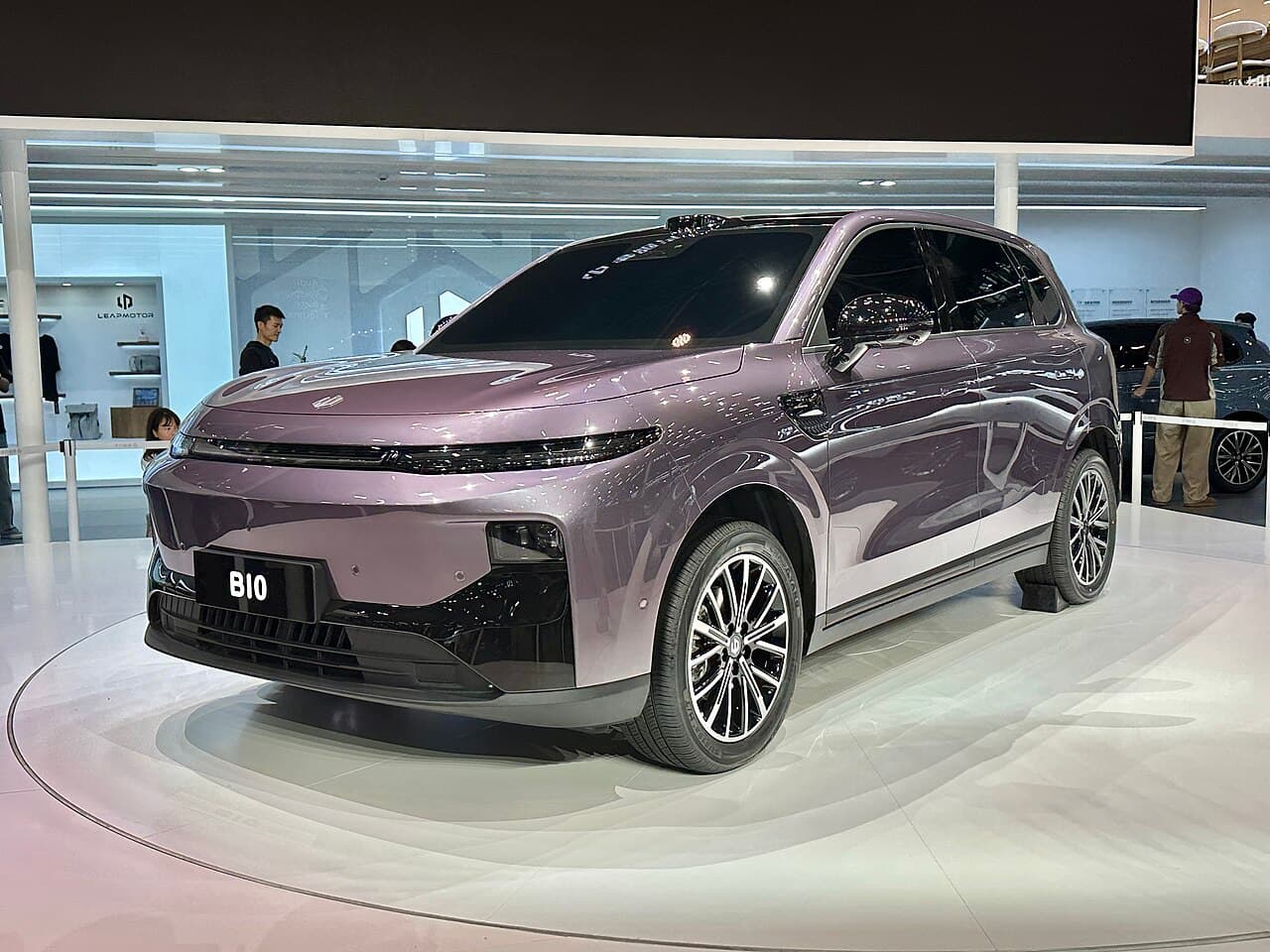
Chinese electric vehicle maker Leapmotor is steadfast in its goal to deliver 10 lakh vehicles globally by 2026, despite having achieved only about one-third of that target by mid-year. The company is relying on its new B-series sedans and SUVs, equipped with fast-charging and advanced driver-assistance technology, to boost sales in the latter half of the year.
Strong Global Push and Indonesian Expansion
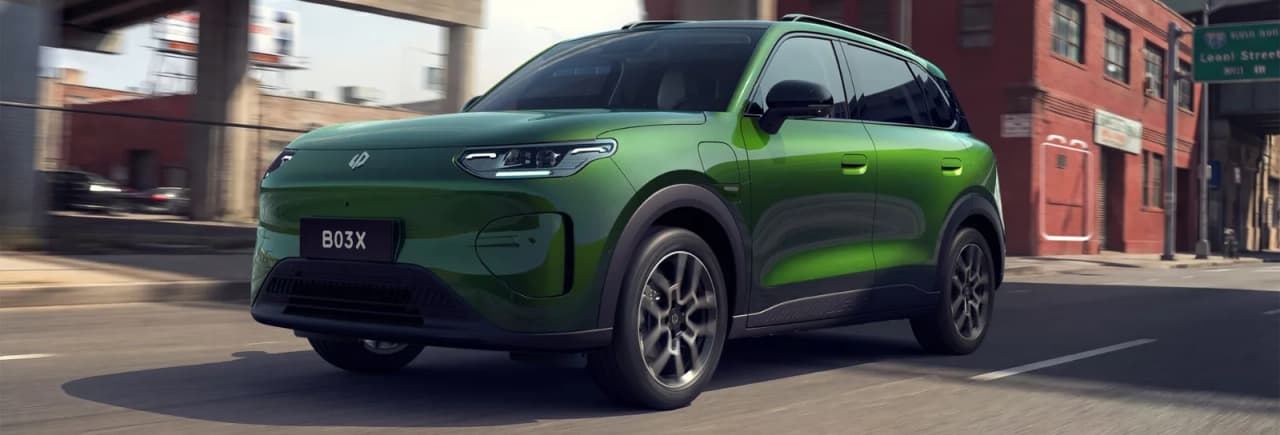
Leapmotor has expanded its manufacturing footprint by starting local assembly in Indonesia, in partnership with Indomobil Group. The first Indonesia-assembled B10 and C10 vehicles are expected to begin deliveries in August. This makes Leapmotor one of the few Chinese EV brands with two knock-down production bases in Southeast Asia, covering both Malaysia and Indonesia. Local assembly offers significant cost benefits due to high tariffs on fully imported vehicles in Indonesia, potentially making these models more competitively priced.
Leapmotor showcased the B10 and C10 at the 2026 Gaikindo Indonesia International Auto Show, marking its official entry into the Indonesian market. The company plans to establish 50 sales and service outlets in Indonesia by the end of 2026, further solidifying its presence in Southeast Asia.
Record Sales and Implications for Nepal
Leapmotor's July global deliveries reached 101,267 units, breaking through the 100,000-unit mark for the first time in a single month. This achievement represents a 102% year-on-year increase and highlights the company's aggressive growth strategy. Deliveries in the first seven months totaled 457,754 units, about 46% of the full-year target of 1 million. Despite the impressive numbers, Leapmotor needs to deliver approximately 108,449 vehicles per month for the remainder of the year to meet its 2026 goal.
For Nepali buyers, Leapmotor's global expansion and increased production capacity could have several impacts:
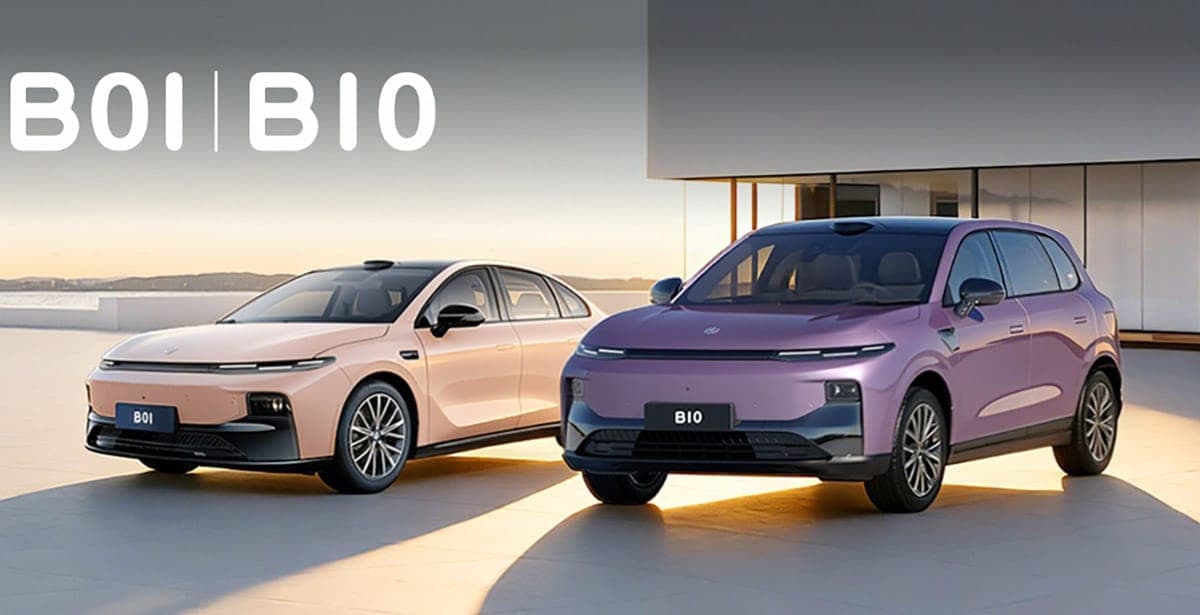
- Wider Model Range: With the B10 and C10 already available, the potential introduction of other B-series models like the B01 sedan could follow, thanks to the company's growing production capabilities.
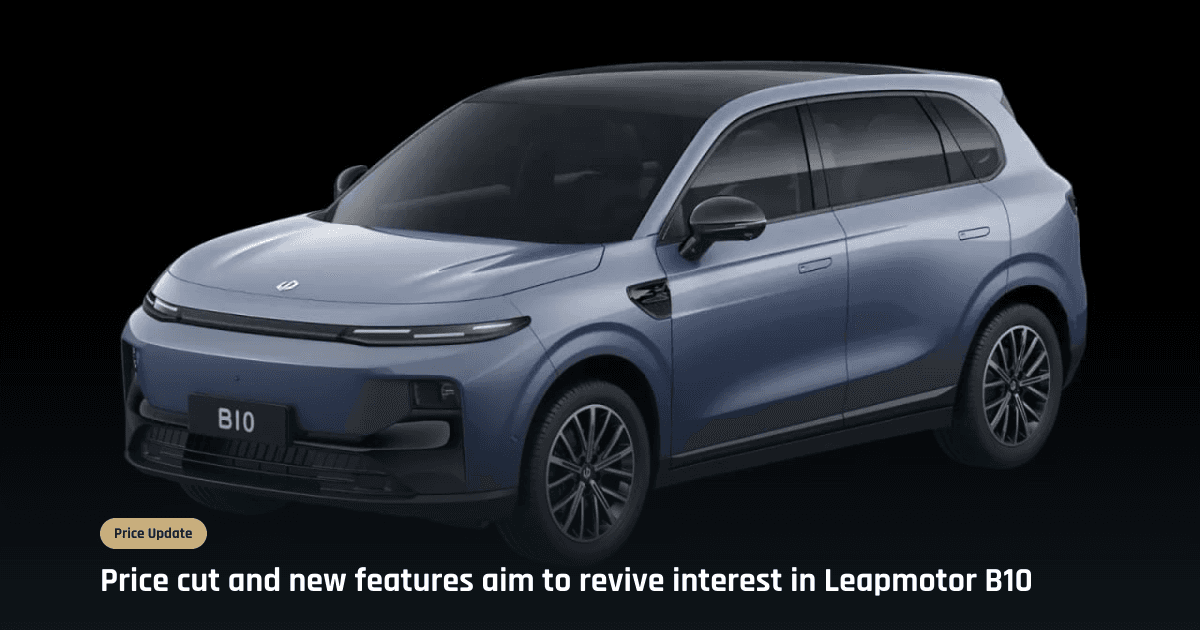
- Competitive Pricing Pressure: In Nepal, the Leapmotor B10 EV is currently priced between Rs 55–60 lakh, while the C10 is listed around Rs 72 lakh. If Leapmotor can leverage cost advantages from its expanded production base, it may keep prices competitive against other Chinese and Indian EVs.
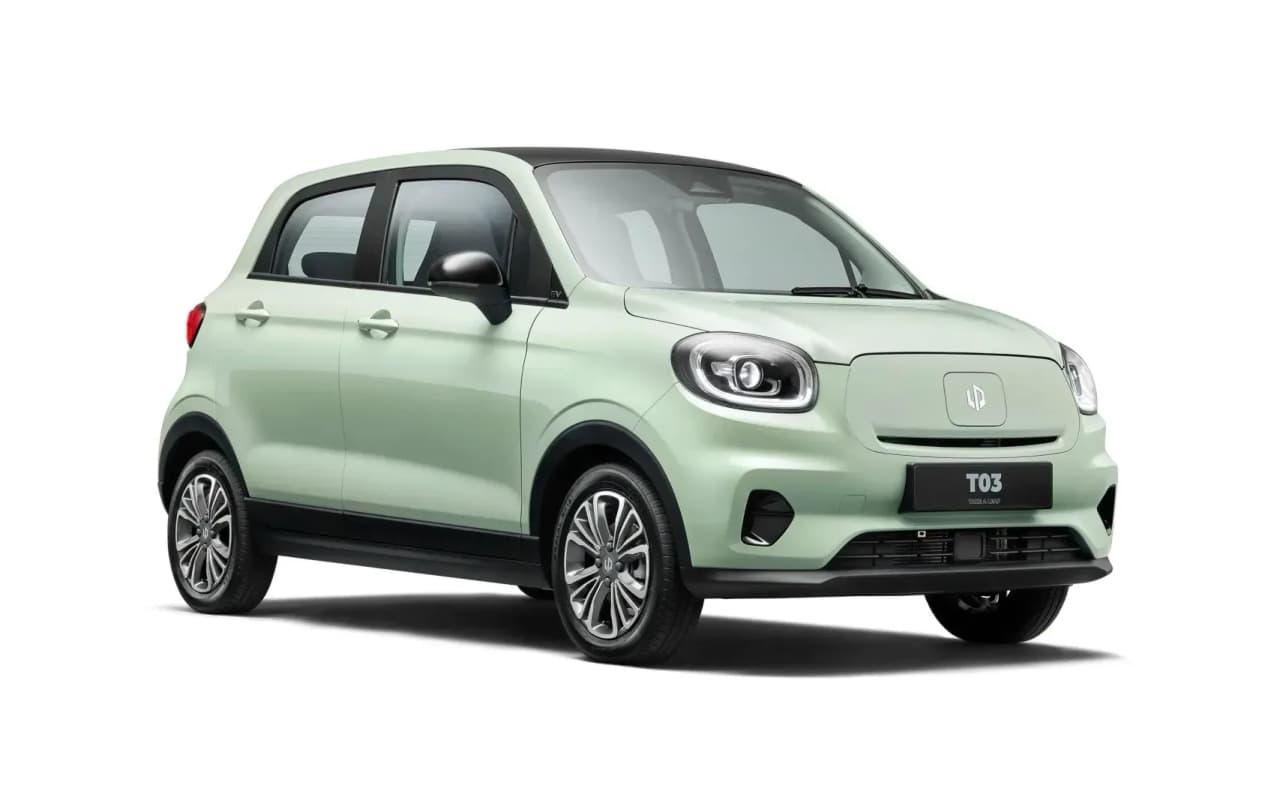
- Improved After-Sales and Parts Availability: Higher global volumes usually mean stronger parts pipelines and software support. For Nepali owners of the T03, B10, and C10, Leapmotor’s export-driven strategy could translate into more consistent spare-parts availability and updates over time.
Impact on Competition in Nepal
Nepal’s EV segment is now crowded, with brands like BYD, MG, and Tata competing in similar price bands. Leapmotor’s ambitious sales targets and technology-rich models, featuring long-range batteries, 800-volt charging, and LiDAR options, put it firmly in this mix. For Nepali buyers, this translates into more choice in the Rs 50–75 lakh EV bracket, with possible downward pressure on prices as Chinese brands scale up and vie for global market share.
Current Prices on Nepal AutoMart
- Leapmotor B10 price in Nepal: Rs 49.99 lakh – Rs 56.99 lakh ex-showroom, 2 variants
- Leapmotor C10 price in Nepal: Rs 72 lakh ex-showroom
- Leapmotor T03 price in Nepal: Rs 28.99 lakh – Rs 34 lakh ex-showroom, 2 variants
Leapmotor’s entry into Indonesia and its partnership with Stellantis highlight its strategic focus on international markets, which are expected to account for 20–35% of its total sales this year. This global push, combined with local production advantages, suggests that Nepal will remain an important market in Leapmotor's international strategy.
- Leapmotor T03: leapmotornepal.com — checked 2026-10-11
- Leapmotor B10: leapmotornepal.com — checked 2026-09-30
Writes on vehicle pricing, taxation and the Nepali auto market from ongoing tracking of distributor price lists. Every price in this piece is read live from the Nepal AutoMart catalog — how we verify prices.