Start with the numbers
The model, at a glance
Top available variants, with prices in Nepalese rupees. Expand details to choose another variant.
| Vehicle | Ex-showroom price | Fuel | Selected variant |
|---|---|---|---|
| 01Keren Blaze | Rs 2.8 lakh | Electric | Pro 3.7 kWh |
Ex-showroom prices exclude registration, road tax and insurance. Specifications can vary by trim. See individual source-check dates ↓
The Keren Blaze in the Nepali Market
Keren Electric Nepal, under the authorized distribution of Evoque Nepal Pvt. Ltd., has introduced the Blaze series to cater to the growing demand for electric two-wheelers. This model enters a crowded space where commuters want a balance of range and power. Unlike many entry-level scooters that struggle with Kathmandu's steep inclines, the Blaze focuses on torque delivery. The brand currently supports its lineup with 2 showrooms and ensures maintenance through 2 service centres. These facilities are centered around the capital, which is the primary market for this type of urban commuter.
Design and Ergonomics
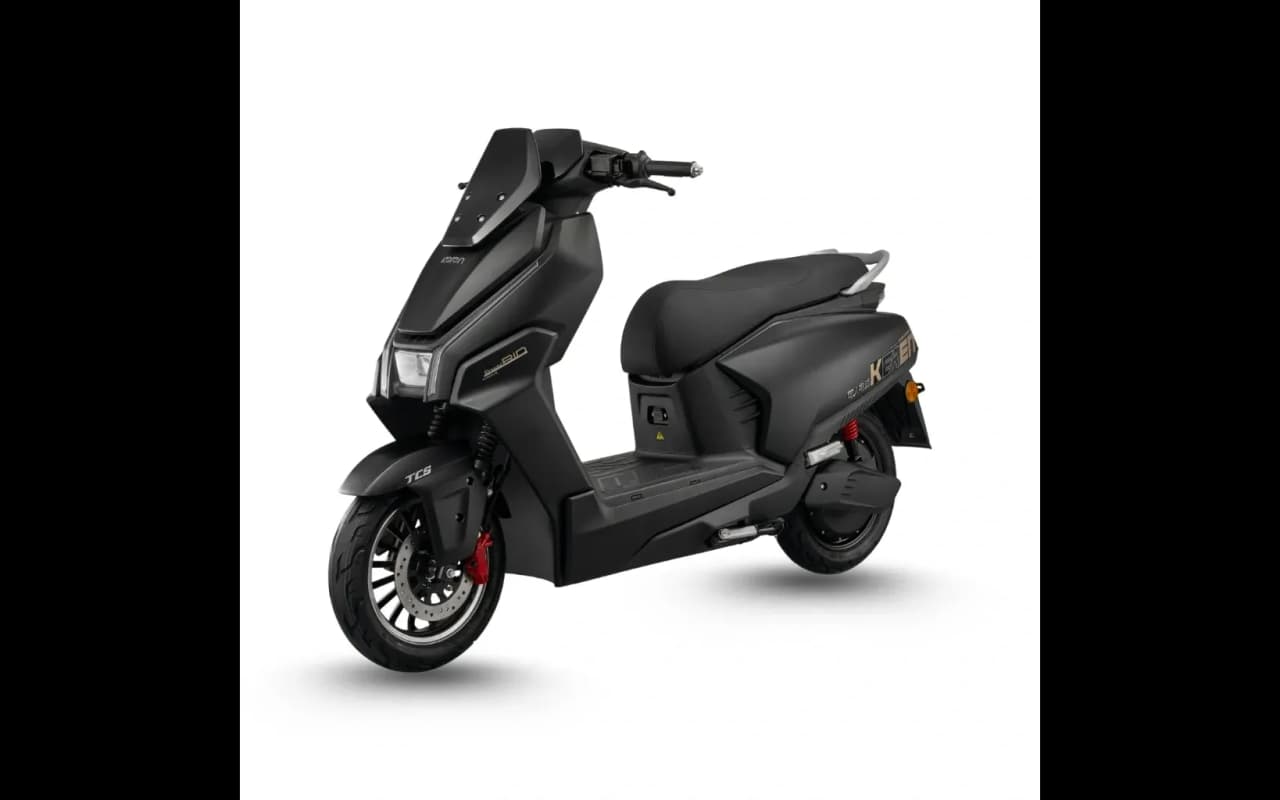
The Blaze follows a classic step-through scooter silhouette. It uses a flat floorboard design that makes it easy to get on and off during frequent city stops. This flat floor also provides utility for carrying small bags or groceries between the rider's feet. The overall dimensions are compact. The length is 1810 mm and the width is 705 mm. With a height of 1130 mm and a wheelbase of 1250 mm, the scooter is built for agility.
Weight is a standout factor for the Blaze. The Lite variant weighs only 85 kg, The Pro 3.7 kWh variant is slightly heavier at 88 kg. These figures make the Blaze one of the lightest electric scooters in its segment. A lower kerb weight helps with handling in heavy traffic and makes it easier to push into tight parking spots. The seat height is 760 mm. This height is accessible for most Nepali riders and allows for a confident stance at traffic lights.
Motor Performance and Drivetrain
Performance differs significantly between the two variants. The Keren Blaze Lite uses a K-Tech DILU Hub Drive motor. It has a rated power of 3000W and a peak power of 3700W. This setup provides enough punch for solo riding on flat city roads. It reaches a top speed of over 60 km/h. This is sufficient for the speed limits enforced within the ring road.
The Blaze Pro 3.7 kWh is the performance leader of the range. It uses a high-efficiency hub motor with a peak power of 5 kW. This translates to about 6.8 PS. The most impressive figure for the Pro variant is the torque. It delivers a maximum torque of 200 Nm. This high torque is a major advantage for riders who need to navigate the steep climbs of areas like Swayambhu or various hilly shortcuts in the valley. The motor is paired with a single-speed automatic system, described as a CVT in technical terms, which ensures smooth power delivery without gear shifts.
Battery Technology and Range
Battery chemistry is the biggest differentiator between the Lite and Pro trims. The Blaze Lite uses a 2.16 kWh Graphene battery. This is an LFP (Lithium Iron Phosphate) type battery known as the K-Tech LFP. It offers a claimed range of 70 km on a full charge under the NEDC cycle. This variant is designed for those with very short daily commutes who do not want to invest in more expensive lithium-ion technology. Charging the Lite variant takes about 5 to 8 hours for a full cycle.
For those with longer commutes, the Blaze Pro 3.7 kWh is the better choice. It features a 3.7 kWh Lithium-Ion battery. This larger capacity allows for a claimed range of 150 km. In real-world Nepali city conditions, this provides a comfortable buffer for two or three days of riding without needing a plug. The Pro variant also charges faster. A full charge takes between 4 to 6 hours. The Lite battery weighs 24.42 kg and sits within the frame to maintain a low center of gravity.
Safety and Braking Systems
Nepal's roads require reliable braking, and Keren has equipped the Blaze variants accordingly. The Lite variant uses a hydraulic disc brake at the front and a drum brake at the rear. It includes a Combi Braking System (CBS) to help balance stopping force between the wheels.
The Pro 3.7 kWh variant gets a safety upgrade with dual disc brakes. Having discs at both ends improves heat dissipation and stopping power during downhill descents. Like the Lite, it also uses CBS. A notable addition to the Pro variant is Traction Control. This system helps prevent the rear wheel from slipping on sandy or wet road surfaces, which is common in Kathmandu after rain. Both models use 12-inch wheels and tubeless tyres to reduce the risk of sudden deflation from punctures.
Features and Daily Usability
Daily convenience is handled through several digital features. The Lite variant has a digital colorful display for the dashboard. It includes a one-tap start system. The Pro variant moves to a digital LCD cluster that includes Bluetooth connectivity. This allows riders to stay connected while on the move. Keyless entry and a remote alarm come standard on the higher trim.
For night riding, both variants use LED headlamps and tail lamps. These provide better visibility and consume less power than traditional bulbs. The Pro variant also includes a USB charging port and a smartphone storage pocket. These small details improve the ownership experience for office-goers who need to keep their devices charged. The scooter also features a reverse mode. This is helpful when backing out of sloping parking spots or narrow alleys. A slope hold feature is included to prevent the scooter from rolling back on inclines.
Ride Comfort and Practicality
Ground clearance is a critical metric for any vehicle in Nepal. Both Blaze variants offer 160 mm of ground clearance. While this is not as high as some off-road motorcycles, it is better than many entry-level petrol scooters. It provides enough space to clear standard speed breakers and small potholes without scraping the bottom of the battery pack.
The suspension is tuned for city comfort. The step-through design includes a pillion grab rail and footrests. The Pro variant adds a standard backrest for the pillion passenger. This makes it a more viable option for those who regularly carry family members or friends. The seat upholstery on the Pro is also upgraded for a more premium feel. The maximum loading capacity for the Lite is 180 kg. This allows for two adults and some light luggage.
Selecting the Right Variant
Choosing between the Lite and the Pro 3.7 kWh depends entirely on the rider's daily route and charging access. The Lite is a local runner. It is best for short trips within a specific neighborhood or very predictable commutes. Its graphene battery is a cost-effective solution but lacks the range of the lithium unit.
The Blaze Pro 3.7 kWh is the definitive choice for most buyers. The 150 km range removes the anxiety of running out of power during the day. The 5 kW motor and 200 Nm of torque make it much more capable on the inclines that define Nepali geography. The inclusion of dual disc brakes and traction control also makes it a safer vehicle for year-round riding.
Verdict
The Keren Blaze is a strong contender for those who prioritize a lightweight build and high torque for city riding. While the Lite variant serves as a budget-friendly entry point, the Pro 3.7 kWh variant offers the performance and range necessary for modern Nepali commuters. Its main limitation remains the brand's relatively small network compared to established petrol giants, but its specific focus on high torque makes it well-suited for the valley's terrain.
Explore full specifications, variants & ownership context
Know the product
Key specifications, features & ownership context
Choose a variant to see its recorded specifications and features. Equipment and prices can change across trims.
Latest catalog and directory records supplement the original analysis. Figures may have changed since publication; individual specification and price-check dates appear below.
Rs 2.8 lakh ex-showroom · source-check date not recorded
Battery & charging
| Specification / feature | Pro 3.7 kWh |
|---|---|
| Battery | 3.7 kWhResearched · confirm · 11 Sept 2026 |
| Claimed range | 150 km (NEDC)Researched · confirm · 11 Sept 2026 |
Brakes, tyres & suspension
| Specification / feature | Pro 3.7 kWh |
|---|---|
| ABS | CBSResearched · confirm · 27 Sept 2026 |
Dimensions & weight
| Specification / feature | Pro 3.7 kWh |
|---|---|
| Ground clearance | 160 mmResearched · confirm · 14 Aug 2026 |
Claimed range uses the stated test cycle. Different cycles are not a like-for-like range comparison; actual range depends on roads, load, speed and weather.
Showroom & service support
Distributor: Evoque Nepal Pvt. Ltd.
2 listed brand showrooms · 2 listed brand service locations
Listed cities include Kathmandu.
Brand-wide directory coverage. Confirm that your nearest workshop supports this exact model, powertrain and warranty work; ask about parts availability and booking time.
Market buzz & buyer priorities
Compiled discussion, including buyer reactions and ownership reports; this is not a verified owner survey or a reliability score. Research dated 17 Oct 2026.
What people like
- High range-to-price ratio compared to competitors
- Practical features like traction control, slope hold, and reverse mode
- Competitive pricing for the mid-range electric segment
Concerns to investigate
- Limited independent long-term testing and service network
- Manufacturer range claims often exceed real-world performance on hilly terrain
- Confusing model lineup with overlapping specifications
What buyers ask for
- Availability of spare parts and service centers
- Financing options and down payment requirements
- Resale value of newer electric brands
Nepal ownership context
- Ground clearance of 160 mm is highlighted as a key benefit for navigating Nepali road conditions.
- Service network is primarily concentrated in major hubs like Kathmandu, Lalitpur, Bhaktapur, Pokhara, and Chitwan.
Use these facts alongside the article’s full analysis. Check the final quotation, warranty terms and exact equipment before booking.
Evidence & next steps
Check the details before you buy
Use this guide to build a shortlist. Ask for a written quotation for your chosen variant, including registration, taxes, insurance, finance charges and any charger installation. Confirm the nearest authorised workshop supports that model.
Price sources and dates
These are the recorded distributor-source checks for the selected overview trims. They are separate from the article update and catalog read dates; they do not mean every trim was rechecked today. Confirm the final price with the distributor.
Overview photos come from the corresponding model records; additional article photos carry their own credits. Running costs depend on usage, energy prices, maintenance, insurance and resale value.