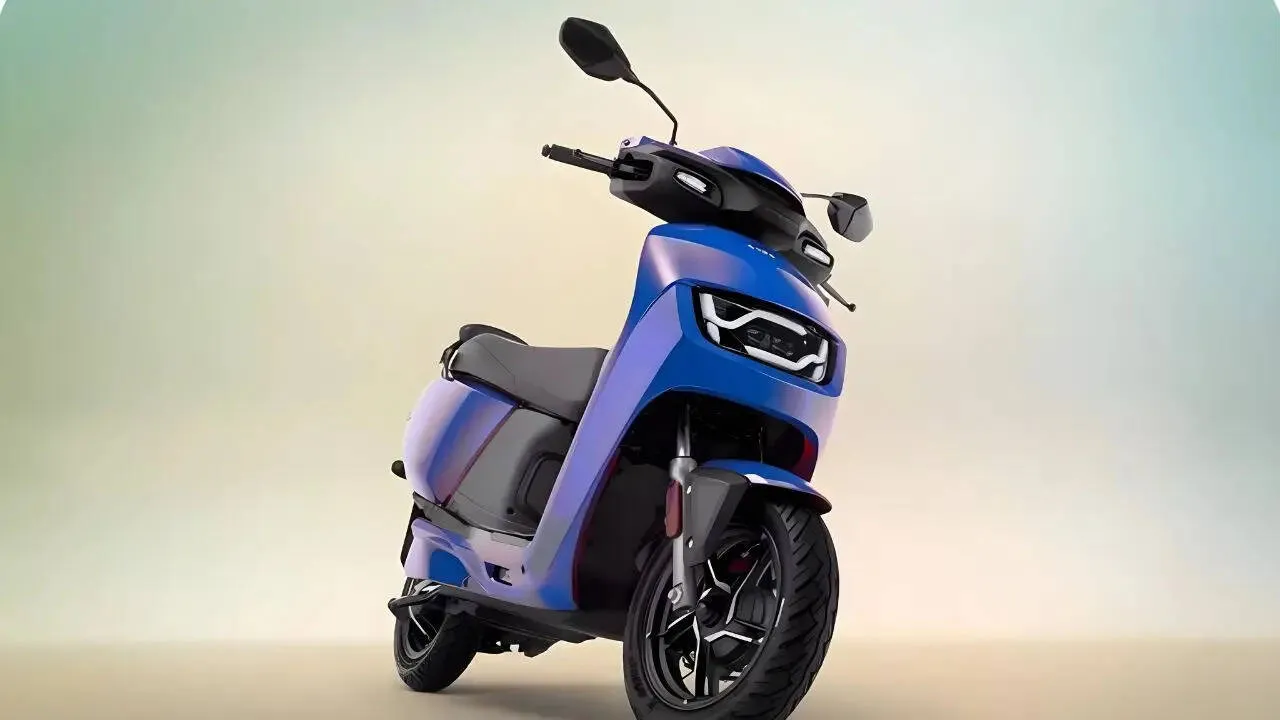
Hero’s New Vida VX2 Go Fixed Battery: Mid-Range EV Scooter Option
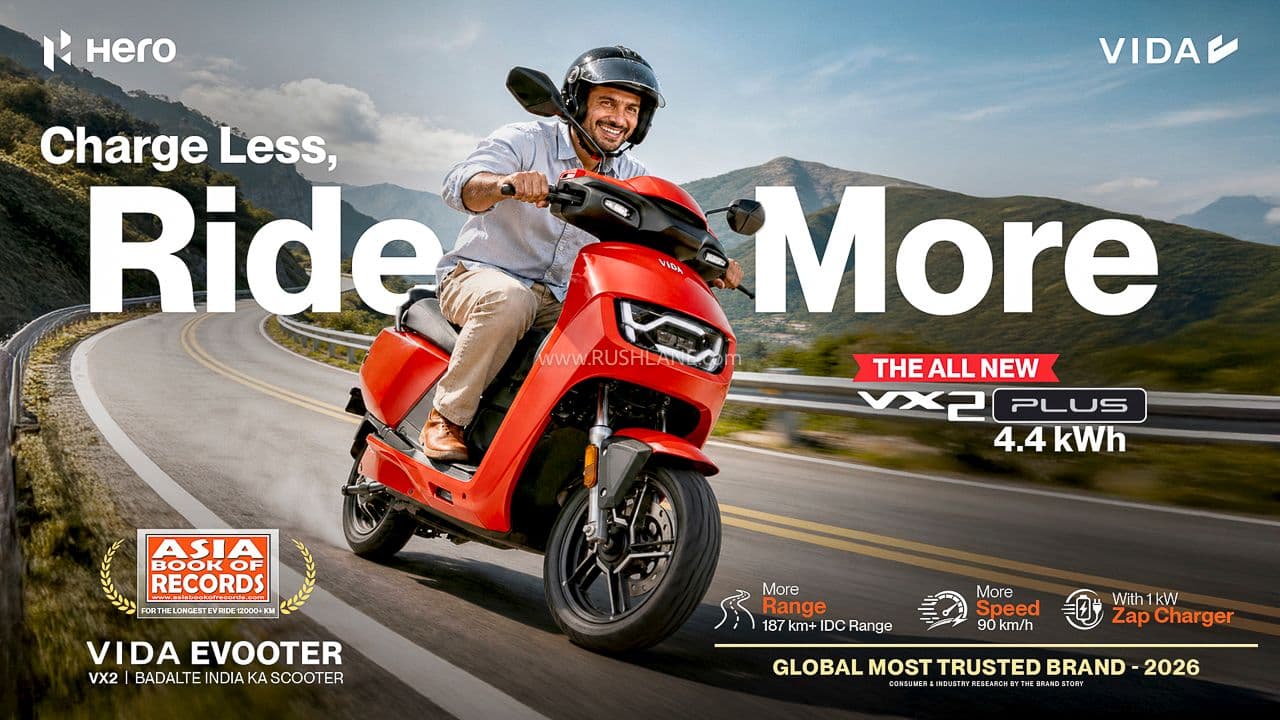
Hero MotoCorp has introduced a fixed-battery Vida VX2 Go FB variant in India, priced at about Rs 1.13 lakh (ex‑showroom). This new model replaces the removable battery with a fixed battery pack that can be charged directly using a plug. It uses a 3.1 kWh battery with an IDC-rated range of around 128 km and a top speed of 70 km/h. The power comes from the same 6 kW swingarm-mounted electric motor used in the standard VX2 Go.
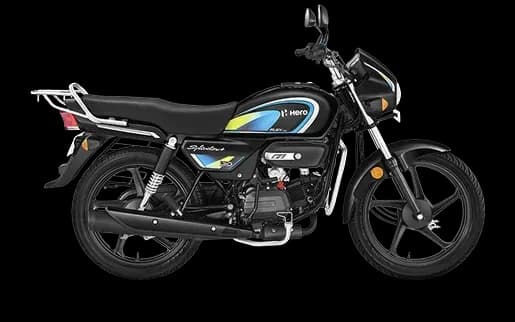
For Nepali readers, the key point is that Hero is an established brand in our market through bikes such as Splendor and HF Deluxe, but the Vida EV sub-brand is not yet officially sold in Nepal. However, Vida officially entered the Nepali market last week through CG Motors, offering the VX2 Go and VX2 Plus models. Any future decision by Hero to export the new Vida scooters to Nepal will likely follow developments in India, where most Nepal imports originate. A landed price here would typically be higher once customs duties, VAT, and dealer margins are added, so this variant could approach Rs 3–3.5 lakh on-road in Nepal depending on tax treatment for EV two-wheelers.
Positioning Within the Vida VX2 Lineup
In India, the Vida VX2 family offers multiple battery options:
- Vida VX2 Go 2.2 – roughly 2.2 kWh, about 93 km claimed range.
- Vida VX2 Go 3.4 – around 3.4 kWh, about 146 km claimed range.
- Vida VX2 Plus 4.4 – 4.4 kWh, up to around 187 km claimed range.
- New Vida VX2 Go FB 3.1 – 3.1 kWh fixed battery, about 128 km range, 70 km/h top speed, DC fast charging 0–80% in about 65 minutes.
The new fixed-battery model sits between the 2.2 kWh and 3.4 kWh variants in range and likely price, aimed at buyers who are comfortable charging at a fixed point rather than swapping or carrying removable packs.
Features That Matter for Nepali Use
Key features highlighted with the VX2 Go FB are fairly advanced for a commuter scooter:
- 4.3-inch TFT instrument cluster with Bluetooth smartphone connectivity and turn-by-turn navigation.
- Fast-charging support, 27.2 liters of under-seat storage, a long single-piece seat, full LED lighting, OTA updates, smartphone app support, Combined Braking System (CBS), reverse mode, a charging port, alloy wheels, telescopic front forks, and a rear monoshock.
- Practical touches such as reverse assist, underseat storage, and a front trunk (frunk).
For Nepal, these features would appeal to urban riders in Kathmandu, Pokhara, and Butwal, particularly app-based delivery riders and office commuters looking for predictable running costs and modern connectivity.
Nepal Angle: Why This Launch Matters
- Nepal imports most two-wheelers from India, and Hero already has a strong dealer network here, making Vida EVs a potential candidate for future introduction.
- Government policy has been gradually favoring EVs through lower customs duty and road tax compared to petrol scooters; a mid-range e-scooter with around 120–130 km city range fits typical daily use for many riders.
- The fixed-battery design is simpler for fleet and home charging, but less flexible for riders without dedicated parking or access to a plug — a common issue in dense parts of Kathmandu.
If Hero decides to launch the Vida VX2 range in Nepal, the Vida VX2 Go FB could become a balanced choice: more range than entry-level EV scooters, but likely cheaper than long-range premium models. Until an official announcement for Nepal, though, these scooters remain an India-market product to watch rather than an imminent launch here.
Writes on vehicle pricing, taxation and the Nepali auto market from ongoing tracking of distributor price lists. Editorial policy.