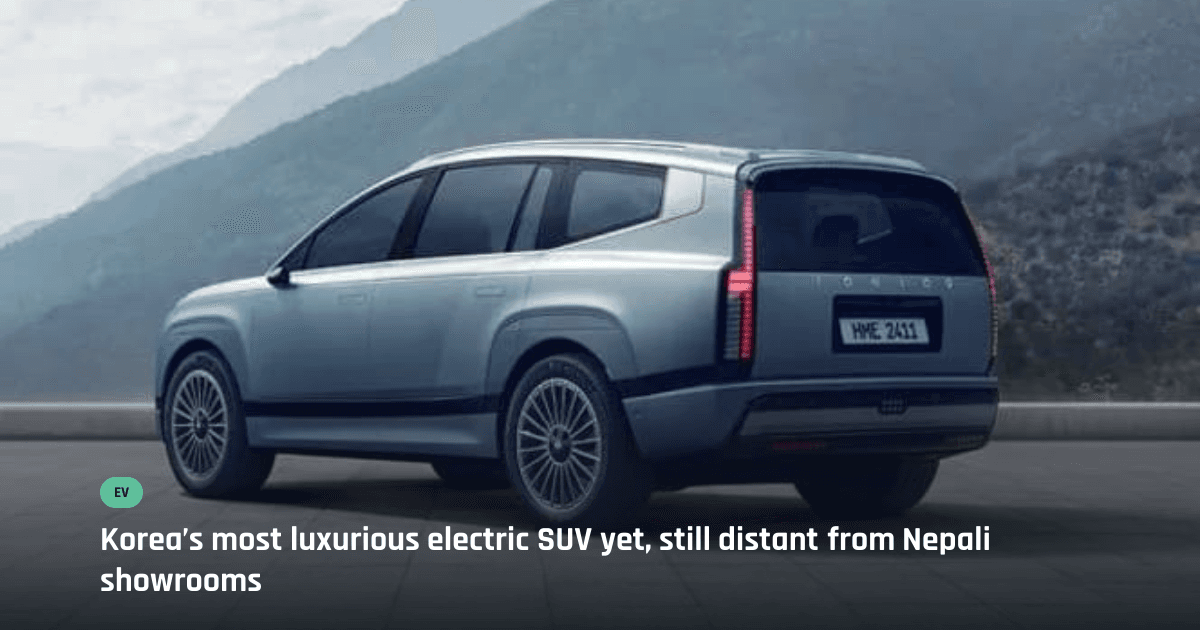
Genesis, Hyundai Motor Group’s luxury brand, has unveiled its new GV90 as a full-size electric flagship SUV aimed at ultra-luxury rivals like Range Rover, Mercedes-Maybach GLS, and Rolls-Royce Cullinan. This model is based on the 2024 Neolun Concept, featuring a unique coach-door setup without a B-pillar, enhancing entry and exit convenience while maintaining structural strength.
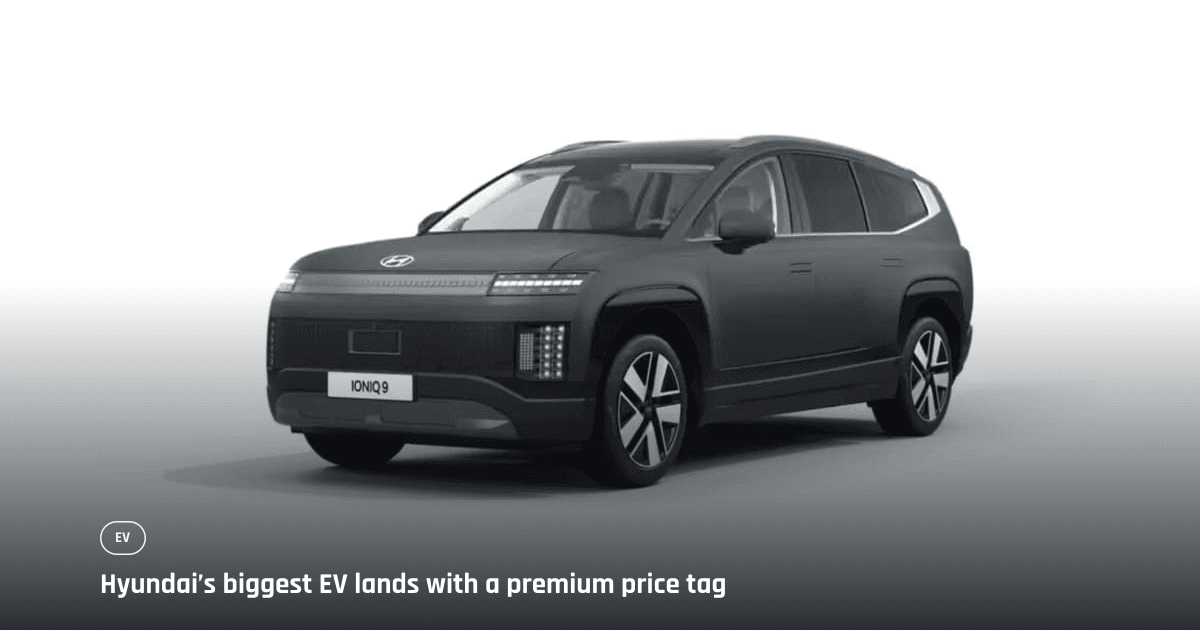
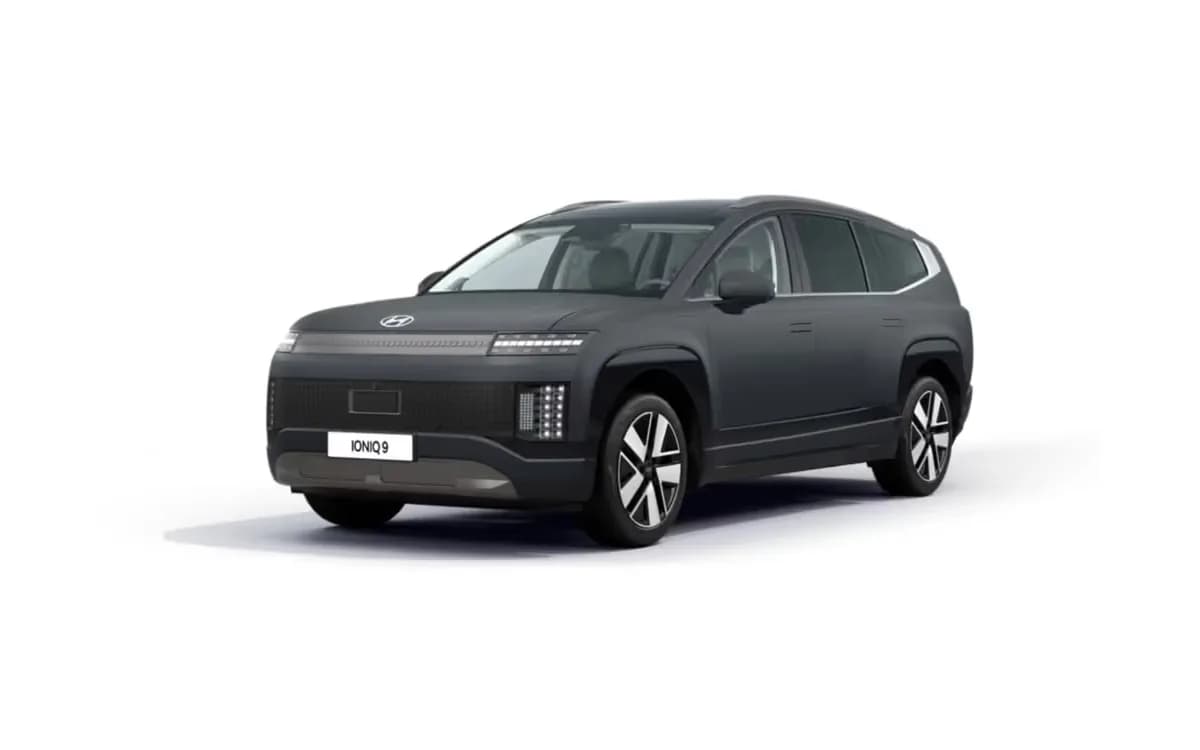
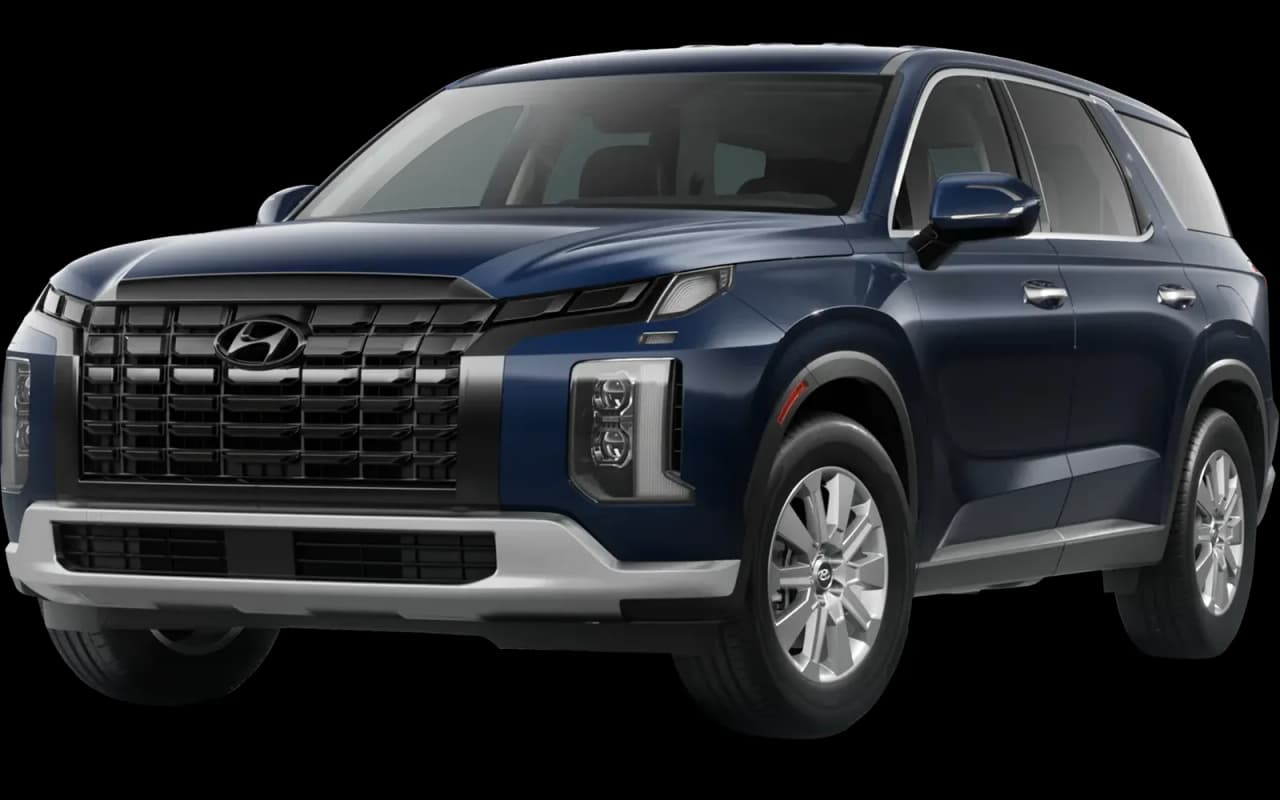
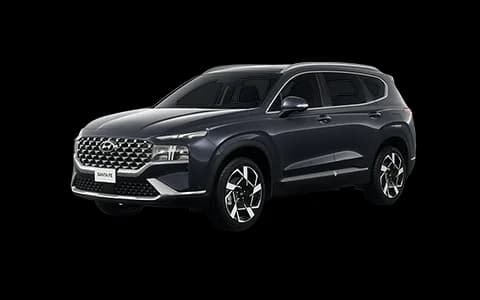
For Nepali buyers, the GV90 effectively sits above every Hyundai SUV currently sold here, including the **Hyundai Palisade at Rs 235–235.96 lakh, Santa FE at Rs 189–189.96 lakh, Tucson at Rs 107.96–162.96 lakh, and even the electric Hyundai IONIQ 9 at Rs 219.96 lakh and IONIQ 5 at Rs 103.96 lakh**. This makes it potentially the most expensive Hyundai-group product in the market, targeting a niche ultra-luxury audience.
Size, Platform, and Performance
The GV90 is built on a new eMP electric platform developed specifically for this flagship. It is a very large SUV, measuring 5,285 mm in length, 2,030 mm in width, and riding on a 3,245 mm wheelbase, making it significantly longer and roomier than even Hyundai’s existing three-row SUVs.
Power comes from two electric motors: a 240 kW / 350 Nm motor at the front and a 250 kW / 450 Nm motor at the rear. Combined, they deliver 490 kW (657 bhp) and 800 Nm, sending power to all four wheels. The SUV also gets electronic limited-slip differentials at both axles, multi-chamber air suspension, electronically controlled dampers, and rear-wheel steering for better comfort and maneuverability despite its size.
A massive 123.5 kWh battery – the largest yet in a Hyundai Motor Group EV – is used. Internal testing estimates about 500 km of range for the seven-seat version. With compatible infrastructure, a 350 kW DC fast charger can charge the battery from 10–80% in a claimed 22 minutes.
Coach Doors and Lounge-Style Interior
The GV90 will be sold in two broad versions: a standard GV90 with conventional doors and a more opulent GV90 Neolun.
- The standard GV90 focuses on being a large, high-tech family luxury SUV with a traditional door layout.
- The GV90 Neolun introduces what Genesis calls the Neolun Arch Gate – front and rear doors that open in opposite directions with no fixed B-pillar in between, creating a wide single opening.
Inside, the GV90 is designed as a lounge. The front seats can rotate 180 degrees when the vehicle is parked, allowing occupants to face the second row for a living-room-like layout. The top GV90 Neolun Executive Suite uses a four-seat configuration, clearly aimed at chauffeur-driven customers. The second row gets real wood veneer flooring with radiant heating, a refrigerator, integrated tables, semi-aniline leather upholstery, and a partition separating the passenger area from the boot.
Screens, Audio, and Tech
The dashboard is dominated by a 23.6-inch OLED Cinematic Display that combines the instrument cluster and infotainment. When parked, the screen can rise by 90 mm to become a larger 24.6-inch entertainment screen.
Other key features include: - 25-inch head-up display - Pleos Connect infotainment suite - Built-in generative AI assistant - 25-speaker Bang & Olufsen Premier 3D sound system with Dolby Atmos - Massage seats - Extensive acoustic glass (over 5 mm thick) and sound-deadening for a quieter cabin
The roof uses Smart Vision Roof with PDLC technology, allowing transparency to be controlled independently across six zones, especially in the Neolun Executive Suite.
Safety: World’s First Roof Airbag
The GV90 packs 12 airbags, including what Genesis says is the world’s first roof airbag. In a severe rollover, this airbag deploys across the fixed glass roof to help protect the heads and upper bodies of occupants.
Curtain airbags extend to the third row, and additional airbags in the seat cushions aim to reduce "submarining" – when occupants slide under the seatbelt during a crash. Genesis has also reinforced battery protection and added Thermal Runaway Protection to manage battery safety in extreme situations.
India Timeline and What It Means for Nepal
Hyundai has already confirmed that the Genesis brand will enter India in 2027, with models like the GV80 SUV and GV80 Coupe-SUV expected to be among the first products. These will compete with luxury SUVs from Mercedes and BMW.
For now, it is unclear whether the much larger and more expensive GV90 will be part of the India launch plan or arrive later, and there is no announcement at all for Nepal. Given Nepal’s dependence on CBU imports from India and Korea for premium models, Genesis’ 2027 India entry could be a first step before any right-hand-drive GV90s reach our market.
If and when it does come, the GV90 would sit well above the Hyundai IONIQ 9 at Rs 219.96 lakh and Palisade at up to Rs 235.96 lakh, effectively creating a new ultra-luxury electric SUV tier in Nepal. Until then, Nepali buyers looking for high-end Hyundai-group SUVs will continue to choose between Palisade, Santa FE, Tucson, IONIQ 9, and IONIQ 5, with the GV90 serving more as a tech and design showcase of where future Hyundai and Genesis products could head.
Nepal pricing and launch timing for Genesis or the GV90 have not been announced.
Writes on vehicle pricing, taxation and the Nepali auto market from ongoing tracking of distributor price lists. Every price in this piece is read live from the Nepal AutoMart catalog — how we verify prices.