Fuel crisis boosts interest in electric cars
Toyota’s Australian arm believes the recent jump in fuel prices, triggered by tensions in the Middle East and disruptions near the Strait of Hormuz, has given electric vehicles a lasting push in the market.
According to Toyota Australia’s sales and marketing chief John Pappas, many buyers shifted towards EVs when petrol and diesel prices surged, and that shift is unlikely to fully reverse even if fuel costs cool down. He said the market has reached a new "normal" level of EV interest.
EV share expected to settle near 20 percent
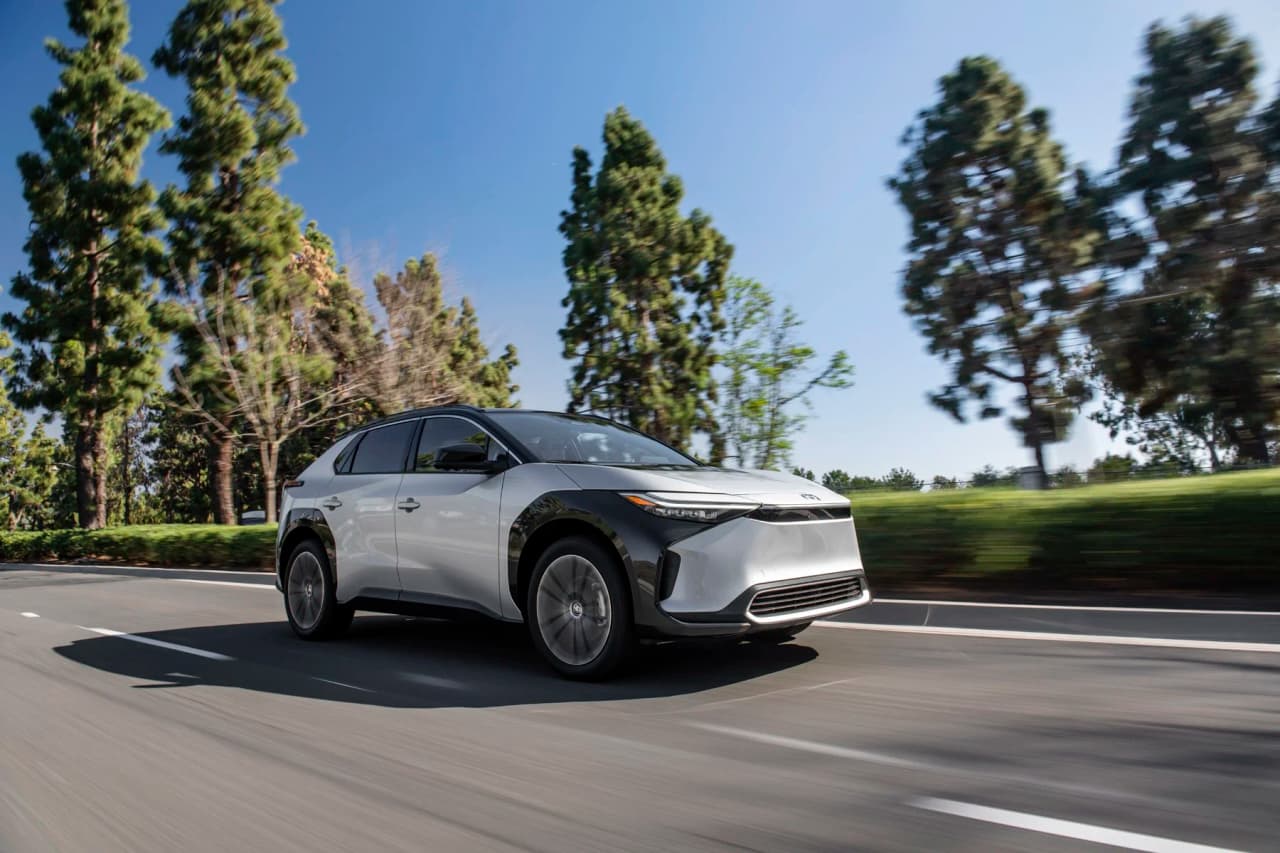
Australia’s EV sales have grown quickly in 2026. In June, electric cars reportedly accounted for about 23 percent of new vehicle registrations, up from around 12 percent in February and nearly 20 percent in May, according to the announcement.
Toyota expects this share to ease slightly from the June peak as the immediate fuel shock fades. However, the company now forecasts EVs to stabilise at roughly 20% of total new car sales, about double the share seen before the recent Middle East tensions.
For Nepali readers, this suggests that once EVs reach a certain level of acceptance, fuel price shocks can push demand to a higher long‑term baseline rather than causing only a temporary spike.
Toyota’s growing EV line-up
Toyota is preparing for this stronger EV demand with more battery-electric models:
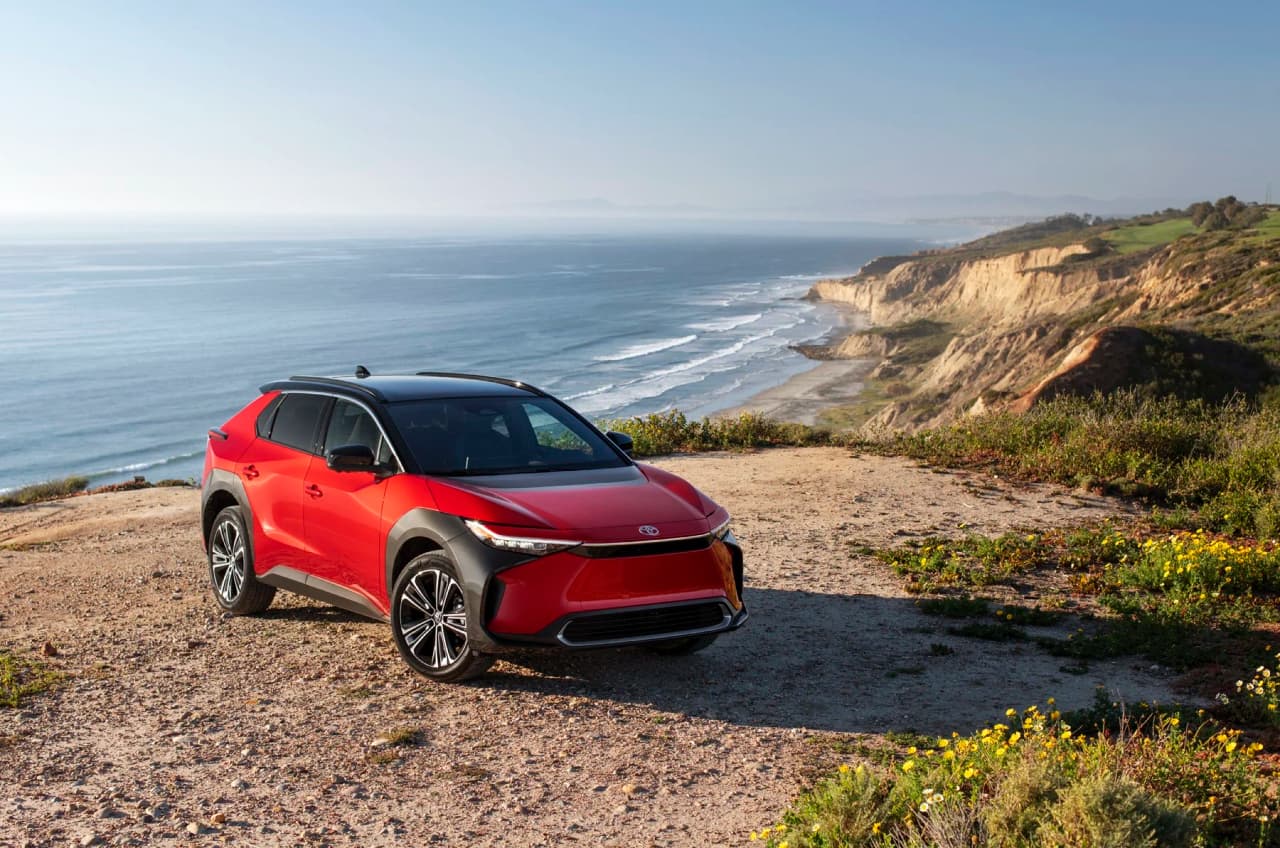
- The bZ4X electric SUV is already on sale in Australia, and Toyota expects around 5,000 bZ4X units sold by end‑2026, up from about 1,000 units last year, according to the announcement.
- An updated bZ4X Touring variant and an all‑electric HiLux BEV are planned to widen Toyota’s EV range.
- A C-HR EV is scheduled for the first half of 2027 in Australia, positioned as a more affordable model below the bZ4X.
According to Toyota’s announcement, the C-HR EV will use a 74.7 kWh battery, with front‑wheel drive, producing 165 kW of power and 269 Nm of torque. Detailed prices and driving range figures have not yet been confirmed.

What it means for markets like Nepal
Toyota’s experience in Australia highlights how energy security concerns and fuel price volatility can accelerate EV adoption. If similar fuel supply risks or price spikes appear in South Asia, Nepali buyers could see:
- More interest in EVs as a way to reduce running costs
- Faster introduction of global EV models, including from Toyota
- A higher long‑term share of electric cars in new vehicle sales, even after fuel prices stabilise

For now, Toyota’s comments are specific to Australia, but they give a clear signal that large manufacturers are planning their future product mix on the assumption that EV demand has permanently moved to a higher level in fuel‑importing countries.
Writes on vehicle pricing, taxation and the Nepali auto market from ongoing tracking of distributor price lists. Editorial policy.