Start with the numbers
The model, at a glance
Available variants, with prices in Nepalese rupees.
| Vehicle | Ex-showroom price | Fuel | Selected variant |
|---|---|---|---|
| 01Deepal S07 | Rs 74.99 lakh | Electric | S07 ICA |
Ex-showroom prices exclude registration, road tax and insurance. Specifications can vary by trim. See individual source-check dates ↓
Where The Deepal S07 Sits In Nepal's Growing EV Shelf
MAW Vriddhi AutoCorp brought the Deepal S07 into Nepal in 2024 as the flagship electric SUV under the Changan-owned Deepal badge, and it lands with a price tag that puts it firmly in premium territory: Rs 74.99 lakh for the standard S07 and Rs 84.99 lakh for the more powerful S07 L. That is not an entry-level EV number. At this price, Nepali buyers are cross-shopping cars that are expected to feel finished, quick to charge, and genuinely spacious — and the S07 has to earn its keep against that yardstick rather than against cheaper Chinese EVs flooding in below Rs 50 lakh.
It is worth being upfront about what this car is trying to be. This is not a city runabout or a value pick. It is a large, five-seat electric SUV built to project size and status on Kathmandu's ring road and beyond, with a wheelbase of 2,900 mm and an overall footprint of 4,750 mm long, 1,930 mm wide and 1,625 mm tall. That is a genuinely big vehicle, and Deepal Nepal is positioning it as such — a status SUV first, an efficiency champion second.
A Face That Looks The Part, Even If The Boot Doesn't Quite Match
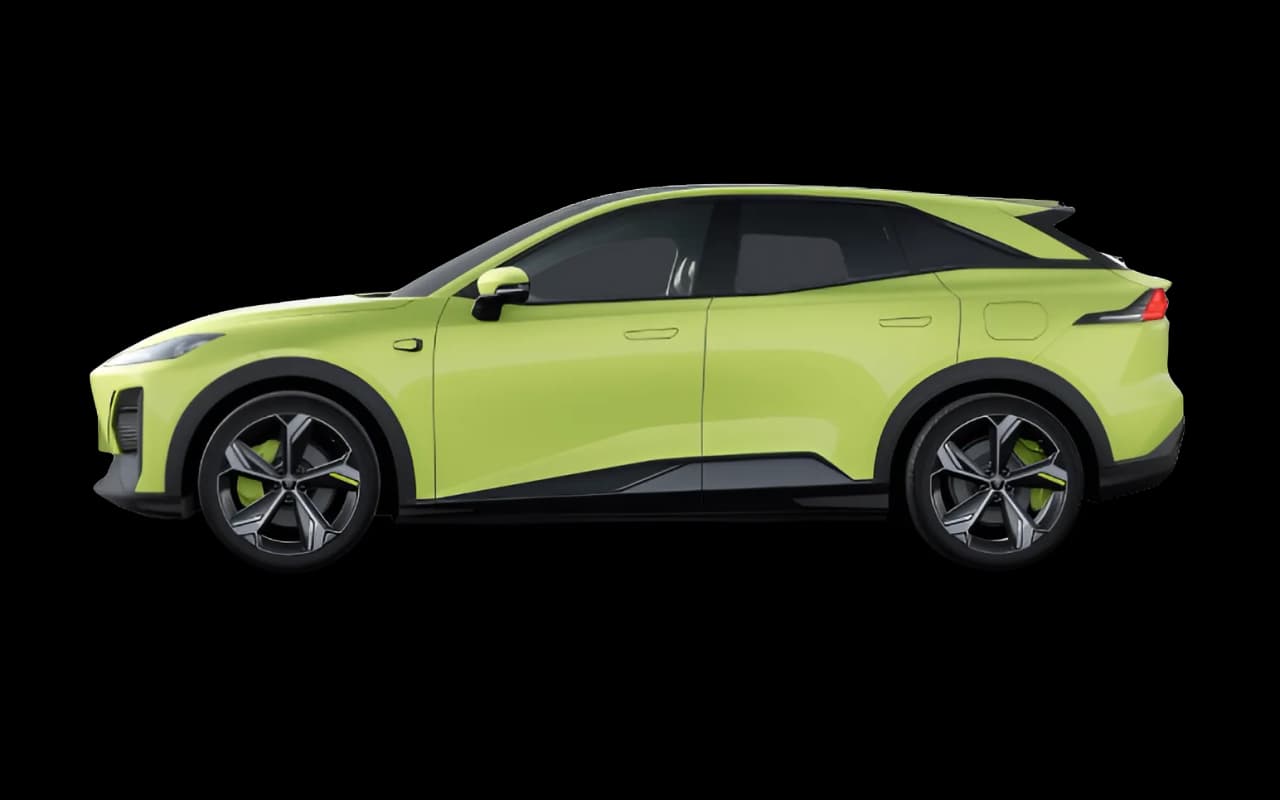
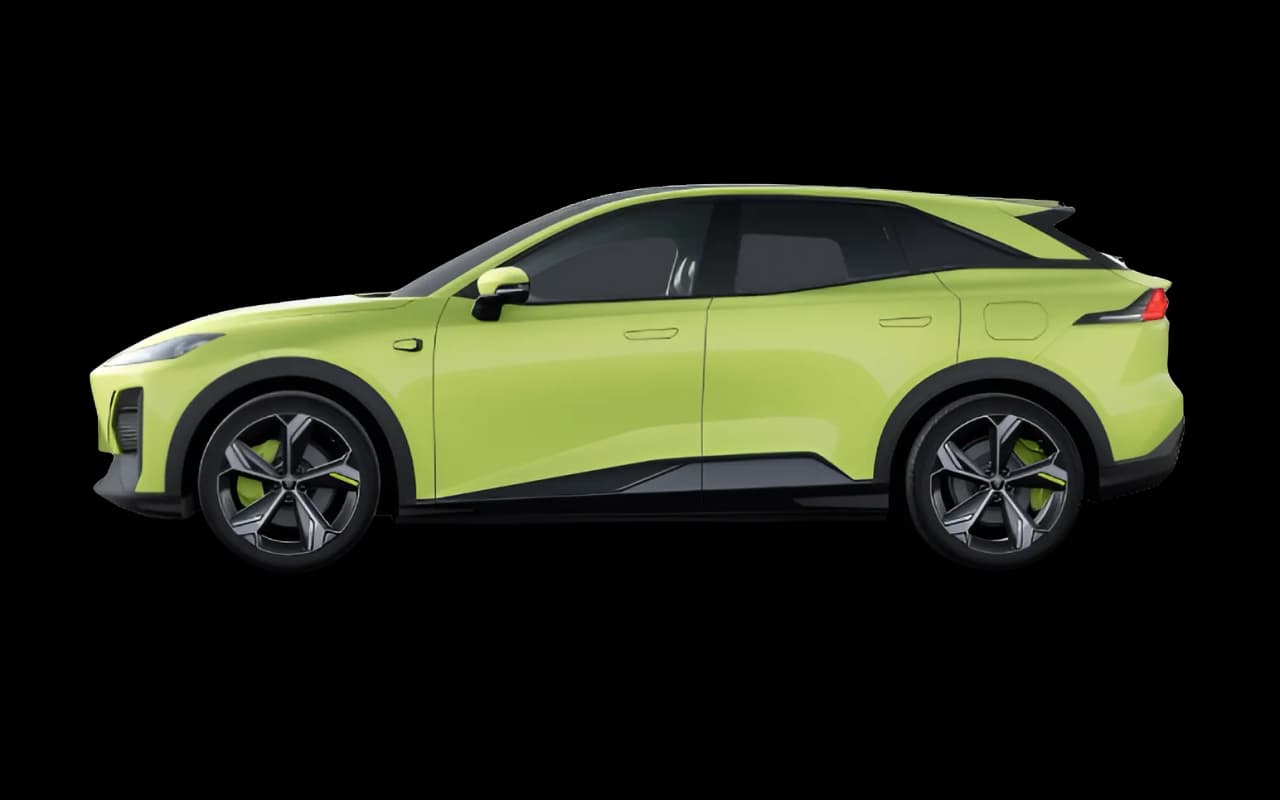
The S07's design is the single biggest reason people stop and look at it in a showroom. The front end is sharp and angled rather than soft, the rear gets a full-width flat light bar, and the whole car sits tall on its 20-inch alloy wheels with flush, pop-out door handles that only present themselves when you approach. It reads as aggressive and premium rather than generic-crossover, and in a market where so many new EVs blur together, the S07 doesn't.
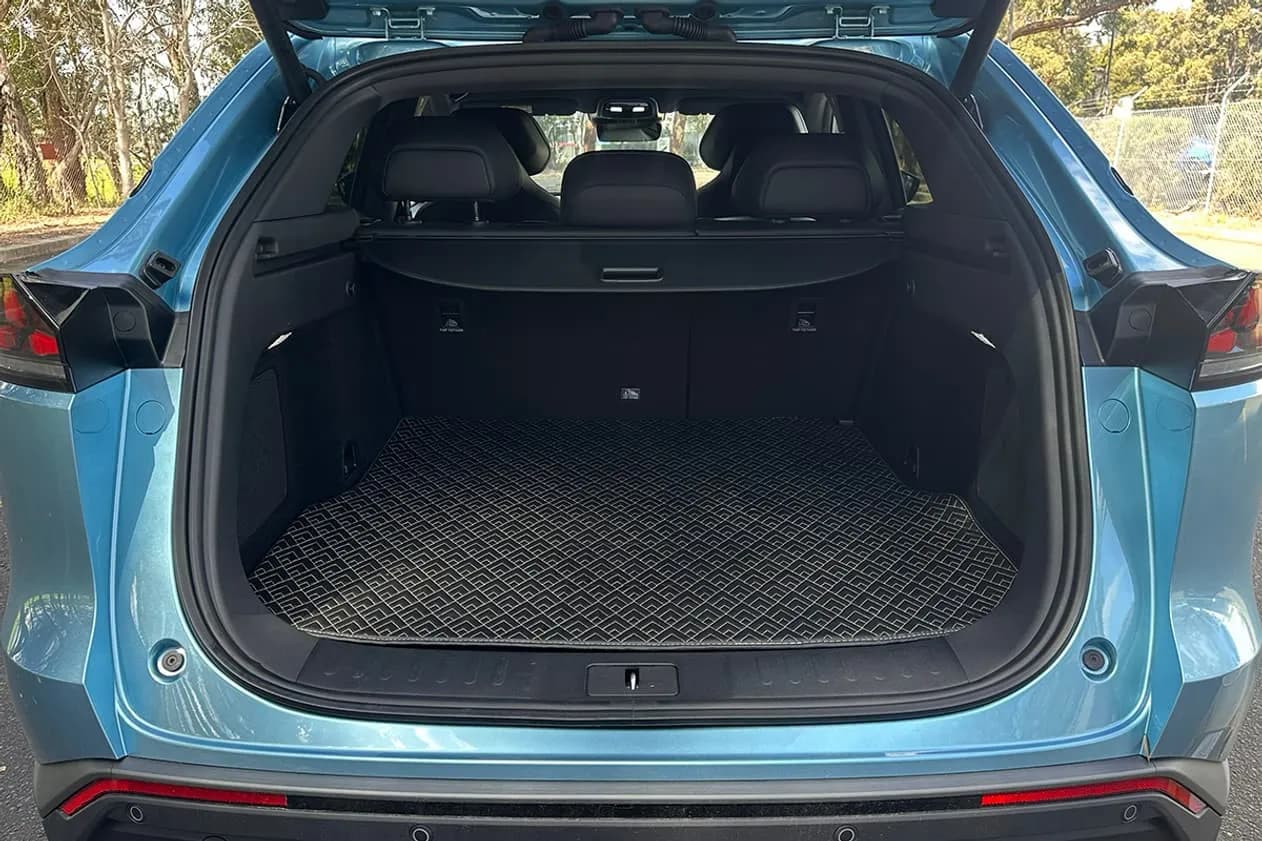
Build quality at showroom level feels consistent with the price point — panel gaps are tight, the door handles operate smoothly, and the wheel-to-arch fit looks deliberate rather than accidental. Where the styling story gets more complicated is inside the boot. Despite the S07's considerably larger exterior dimensions, it carries a 445-litre trunk and a 125-litre frunk. That is not a small amount of storage by any means, but for a car this physically large, buyers used to smaller-looking SUVs offering more usable space inside will notice the mismatch. Bigger doesn't automatically mean roomier here, and it's a point worth flagging honestly rather than glossing over because the car looks the part.
Which Colours You'll Actually See On The Lot
Nepali showroom stock and regional marketing material show the S07 available in white, a light green-blue shade, and a striking yellow — a colour palette that leans into the car's bold styling rather than playing it safe. The yellow in particular does a lot of work in making the S07 look like the aggressive, road-presence-first SUV it's meant to be; the white is the more conservative, resale-friendly choice for buyers who want the design without shouting about it.
The Cabin Tech Is Genuinely Impressive, Charging Speed Is The Letdown
Step inside and the S07 makes its best case. The dashboard is dominated by a large central touchscreen — floating in style, though its exact size isn't officially confirmed for the Nepali market — paired with an AR head-up display that projects key information onto the windscreen rather than relying on a conventional gauge cluster. It's a genuinely modern approach to the driver's eyeline and one that Deepal has clearly leaned on as a headline feature. A rear touchscreen A/C control panel adds a touch of theatre for back-seat passengers who want their own climate control without shouting forward.
Where things get less certain is around the details buyers actually live with day to day. Wireless CarPlay/Android Auto support and auto-hold functionality are not officially disclosed for Nepal at this stage, which is a gap worth asking your dealer about directly before you sign. The electronic parking brake is confirmed, and that at least is a modern, expected touch at this price.
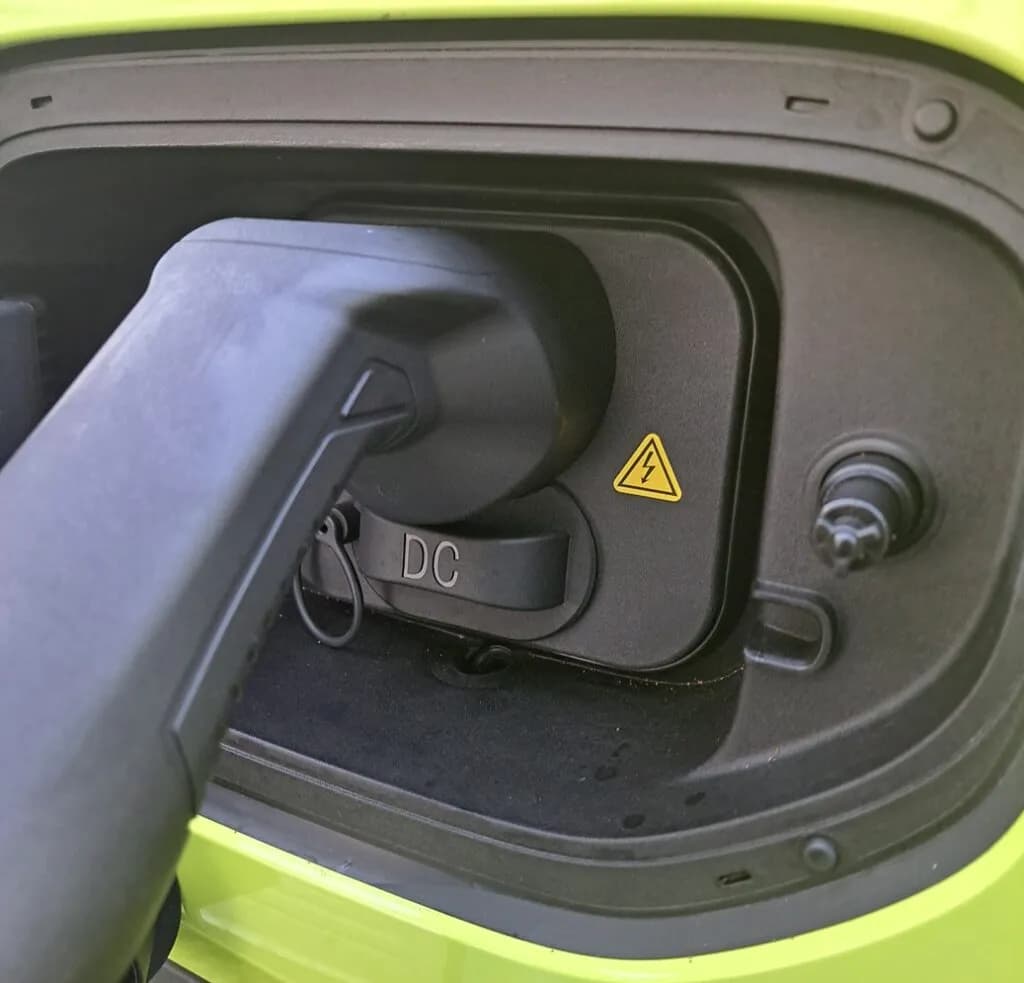
The equipment list that is confirmed is strong: a 6-way power-adjustable driver's seat with 4-way lumbar support, a panoramic sunroof, and 20-inch alloys as standard. But the charging story is where the S07 struggles against the clock. A DC fast-charge time of 35 minutes for a 30–80 percent top-up is workable for planned stops, but it is not fast by current EV standards, and it's a widely flagged weak point for this model — buyers doing longer highway runs between Kathmandu and the Tarai will feel that extra time at the charger more than they'd like.
Two Motors, One Clear Recommendation
Nepal gets the S07 in two distinct power outputs. The standard S07 produces 99 kW, while the S07 L steps up to a considerably stronger 160 kW motor, expected to remain rear-wheel drive on the same platform as the base car. That's a large gap between the two trims — enough that the base S07 will feel notably more relaxed and less urgent in daily driving, while the S07 L is the one that actually delivers the performance the styling promises.
Neither variant offers all-wheel drive, which is worth noting plainly: for an SUV this size and at this price, the absence of a dual-motor option is a real limitation for buyers who want maximum traction on Nepal's variable road surfaces, particularly in the hills or during monsoon. The rear-wheel-drive layout should still make sense for most owners doing city and highway driving, but it does mean the S07 isn't chasing outright performance credentials — it's chasing comfort and presence instead.
Composed On The Highway, Less Interested In Being Thrown Around
The S07 is built to feel comfortable and settled rather than sporty, and that's exactly the impression it gives on the road. It builds to highway speed without drama, and the ride leans toward smoothing out surface imperfections rather than communicating every one of them back through the seat. For a car this size, that's the right call — most buyers shopping in this bracket want a relaxed cruiser, not a corner-carver.
The tall stance and 1,625 mm height mean this isn't a car that hides its size when you push it, and we wouldn't recommend judging the S07 by how eagerly it turns in. Its 5.75 m turning radius is on the larger side too, something to keep in mind if you're regularly navigating tight Kathmandu parking or narrow lanes — this is a car that rewards planning your manoeuvres rather than one that darts around obstacles.
A Wide, Well-Finished Cabin With A Few Unanswered Questions
Inside, the S07's cabin feels notably wide, translating into genuine shoulder room for front passengers — a benefit of that 1,930 mm width and 1,640/1,650 mm front/rear track. The seats themselves are trimmed in perforated synthetic leather, ventilated up front, and the driver's seat gets the 6-way power adjustment with lumbar support already mentioned. It's a cabin that's clearly been designed to feel like a lounge rather than a cockpit, and on that brief, it largely succeeds.
Ground clearance sits at 175 mm across the S07 range, which should be sufficient for Nepal's broken tarmac and moderate off-tarmac stretches without needing to be babied over speed bumps. What's less clear from official Nepal documentation is the exact ADAS feature itemisation on the top L trim — the safety hardware is confirmed as advanced, but buyers wanting a granular breakdown of what's different, if anything, between the S07 and S07 L on the safety front should ask the dealer directly, because our own research couldn't fully separate the two on this point.
Braking, Airbags And A Genuinely Modern Safety Case
The S07 doesn't skimp on safety hardware. It comes with at least six airbags, ABS with EBD and stability control, and a 360-degree camera system that should make parking this large SUV considerably less stressful than its dimensions suggest. Advanced driver assistance is present across the range, including automatic emergency braking, lane keep assist, and adaptive cruise control — features that were, until recently, reserved for cars well above this price bracket.
The S07 family has repeatedly been associated with a 5-star Euro NCAP rating, which is a meaningful data point for Nepali buyers weighing a relatively new brand against more established names. Combined with the 8-year manufacturer's battery warranty, the overall safety and reliability picture Deepal is presenting is a confident one, even if some of the finer print around L-trim-specific hardware remains undocumented for this market.
Boot Space That Doesn't Match The Car's Size
We've already flagged the 445-litre trunk and 125-litre frunk as modest for a vehicle of this scale, and it's worth returning to because it's the single most practical shortfall of the S07. Families planning to use this as their primary long-distance vehicle — ferrying luggage on trips to Pokhara or Chitwan — should physically check the boot against their usual load before assuming size on the outside guarantees space on the inside.
The upside is the cabin itself, which as noted earlier offers real shoulder room for five occupants, and a low, wide stance that makes rear-seat entry and exit easy for older passengers. Practicality here is a mixed picture: excellent for people, more average for cargo.
What Rs 75–85 Lakh And An 80 kWh Battery Actually Buys
Running cost conversations for the S07 start with its 80 kWh battery and 475 km WLTP-rated range, which is a genuinely long range figure and should comfortably cover most Nepali intercity routes on a single charge, home charging overnight being the practical norm. Electricity in Nepal remains dramatically cheaper than petrol per kilometre, and that arithmetic alone will appeal to buyers doing high annual mileage.
Where the running-cost picture gets more nuanced is charging infrastructure time. That 35-minute 30–80 percent DC fast-charge figure means road-trip charging stops will run longer than some rival EVs, and buyers who frequently drive between cities should factor that into their travel planning rather than assuming a quick top-up will always be quick.
Picking Between The S07 And The S07 L
The two-variant Nepali lineup makes the decision reasonably straightforward once you know your priorities. The standard S07 at Rs 74.99 lakh with its 99 kW motor is the sensible choice for buyers who want the styling, the cabin tech, and the safety kit without paying for outright power they won't use daily. The S07 L at Rs 84.99 lakh brings a substantially stronger 160 kW motor and is marketed as the more luxurious, longer-range flagship of the two — though buyers should confirm exact range and feature differences with the dealer, since Nepal-specific documentation doesn't fully spell out every distinction beyond motor output.
For most Nepali buyers, we'd lean toward the standard S07 unless the extra performance of the L variant is something you'll genuinely use — the Rs 10 lakh gap is significant, and the core experience of size, comfort, and equipment is shared across both.
The Tesla Model Y Is The Rival It's Actually Chasing
The S07 is unambiguously positioned to go after the Tesla Model Y, and that comparison is instructive rather than flattering. The Model Y has set the bar globally for EV charging speed, software polish, and range efficiency in this segment, and it's precisely those areas — DC charging time and outright efficiency — where the S07 currently trails. Where the S07 can genuinely compete is on cabin luxury touches like the panoramic sunroof, ventilated seats, and rear touchscreen climate control, which give it a more overtly premium, feature-rich interior presentation for buyers who value that over charging speed.
Buyers cross-shopping the two should be honest about their priorities: the Model Y remains the tighter overall package for efficiency-minded EV buyers, while the S07 makes its case on size, styling, and interior indulgence.
Our Verdict: Buy It For Presence, Not For Efficiency
The Deepal S07 is a car that wins the showroom-floor argument decisively and the spreadsheet argument less convincingly. Its styling, cabin tech, safety kit, and genuine long-range battery are all real strengths that Nepali buyers will notice and appreciate daily. But the middling charging speed and a boot that undersells the car's exterior size are legitimate compromises at this price point, and they shouldn't be waved away just because the rest of the package impresses.
This is the right car for buyers who want a large, statement-making electric SUV with a genuinely comfortable, well-equipped cabin, and who are prepared to plan slightly longer charging stops in exchange for that presence. Buyers whose priority is charging speed, maximum cargo practicality, or outright efficiency should look elsewhere in the segment before committing to either S07 variant.
Explore full specifications, variants & ownership context
Know the product
Key specifications, features & ownership context
Choose a variant to see its recorded specifications and features. Equipment and prices can change across trims.
Latest catalog and directory records supplement the original analysis. Figures may have changed since publication; individual specification and price-check dates appear below.
Rs 74.99 lakh ex-showroom · source checked 19 Oct 2026
Battery & charging
| Specification / feature | S07 ICA |
|---|---|
| Battery | 66.8 kWhResearched · confirm · 6 Oct 2026 |
| Claimed range | 520 km (CLTC)Researched · confirm · 6 Oct 2026 |
Dimensions & weight
| Specification / feature | S07 ICA |
|---|---|
| Ground clearance | 175 mmVerified specification · 12 Sept 2026 |
| Boot space | 445 LResearched · confirm · 4 Oct 2026 |
Claimed range uses the stated test cycle. Different cycles are not a like-for-like range comparison; actual range depends on roads, load, speed and weather.
Showroom & service support
Distributor: MAW Vriddhi AutoCorp (Changan / Deepal Nepal)
44 listed brand showrooms · 9 listed brand service locations
Listed cities include Bhaktapur, Bharatpur, Birtamode, Butwal, Itahari, Kathmandu and 2 more.
Brand-wide directory coverage. Confirm that your nearest workshop supports this exact model, powertrain and warranty work; ask about parts availability and booking time.
Market buzz & buyer priorities
Compiled discussion, including buyer reactions and ownership reports; this is not a verified owner survey or a reliability score. Research dated 16 Oct 2026.
What people like
- Premium interior quality and spacious cabin design
- Advanced tech features like AR-HUD and 15.6-inch tilting screen
- Lifestyle-focused features including camping and baby care modes
Concerns to investigate
- Lack of official mobile app support and software updates in Nepal
- Real-world range often falls short of the 410 km WLTP claim
- Heavy reliance on the central touchscreen can be distracting
What buyers ask for
- Availability of software support and mobile app connectivity
- Long-term service and spare parts reliability
Nepal ownership context
- Service and parts availability can be challenging outside major urban hubs like Kathmandu.
- Resale value is currently volatile as the model establishes its market presence.
- Ground clearance of 175 mm is generally considered adequate for most Nepali road conditions.
Use these facts alongside the article’s full analysis. Check the final quotation, warranty terms and exact equipment before booking.
Evidence & next steps
Check the details before you buy
Use this guide to build a shortlist. Ask for a written quotation for your chosen variant, including registration, taxes, insurance, finance charges and any charger installation. Confirm the nearest authorised workshop supports that model.
Price sources and dates
These are the recorded distributor-source checks for the selected overview trims. They are separate from the article update and catalog read dates; they do not mean every trim was rechecked today. Confirm the final price with the distributor.
Overview photos come from the corresponding model records; additional article photos carry their own credits. Running costs depend on usage, energy prices, maintenance, insurance and resale value.