China has started enforcing its first national standard for solid-state batteries used in electric vehicles, a move that aims to clear up years of marketing confusion and tighten safety rules.
For Nepali buyers watching future EV technology, this decision matters because many popular brands here source batteries and platforms from China, and solid-state cells are seen as the next big step after today’s lithium-ion packs.
What the new Chinese rules do
From 1 July 2026, Chinese regulators now strictly define what can legally be called a solid-state EV battery.
- Promotional terms like *“semi solid-state”* and vague *“liquid-solid hybrid”* labels can no longer be used to imply full solid-state performance.
- To earn an “all solid-state” designation, a battery cell must pass demanding thermal and vacuum tests with extremely low liquid electrolyte content, according to the new GB/T 43568-2026 technical standard.
- At the same time, a separate mandatory safety standard (GB38031-2025) raises requirements for thermal runaway protection, crash impact resistance and fast-charging durability, with the clear goal that EV traction batteries must not catch fire or explode under specified test conditions.
In practice, this forces manufacturers to prove their chemistry in the lab and factory, rather than rely on marketing language.
Dongfeng pushes ahead in the solid-state race
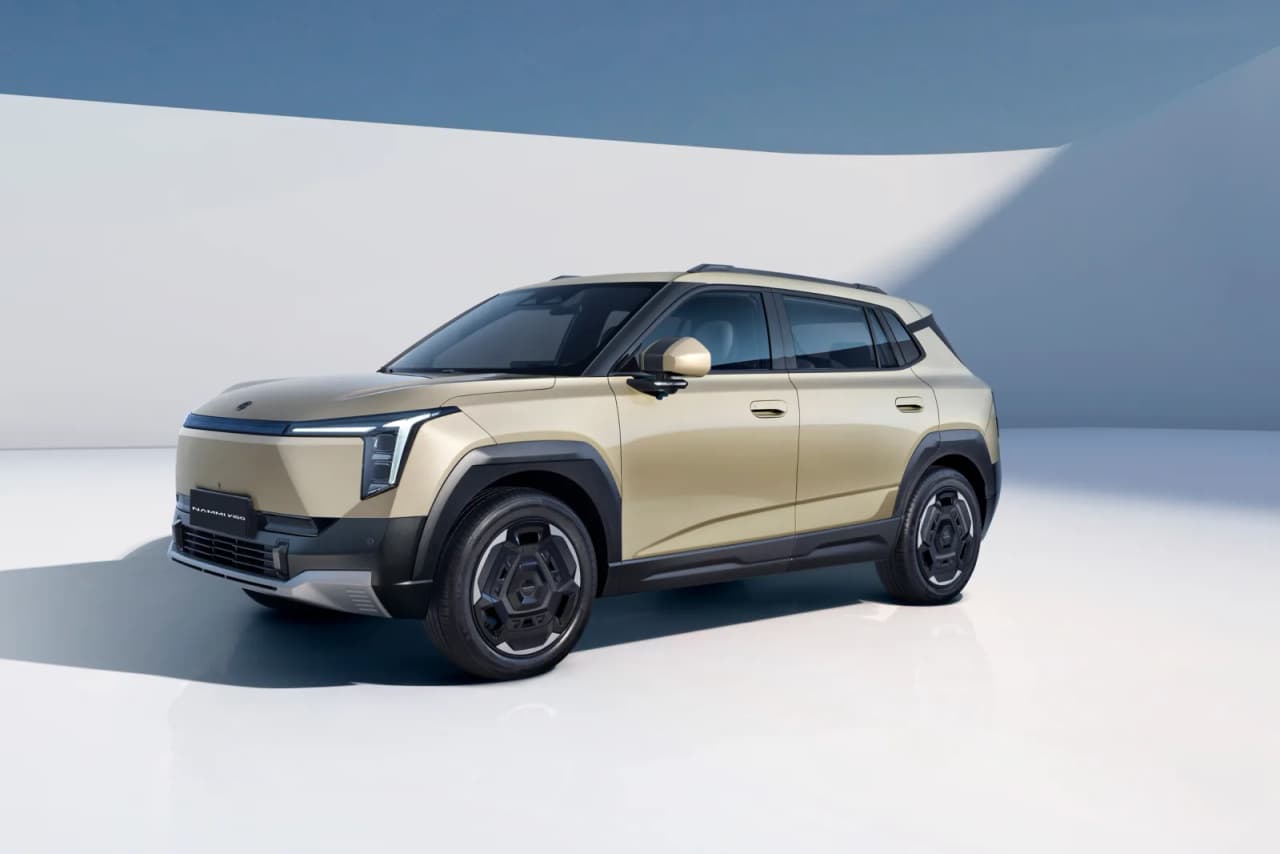
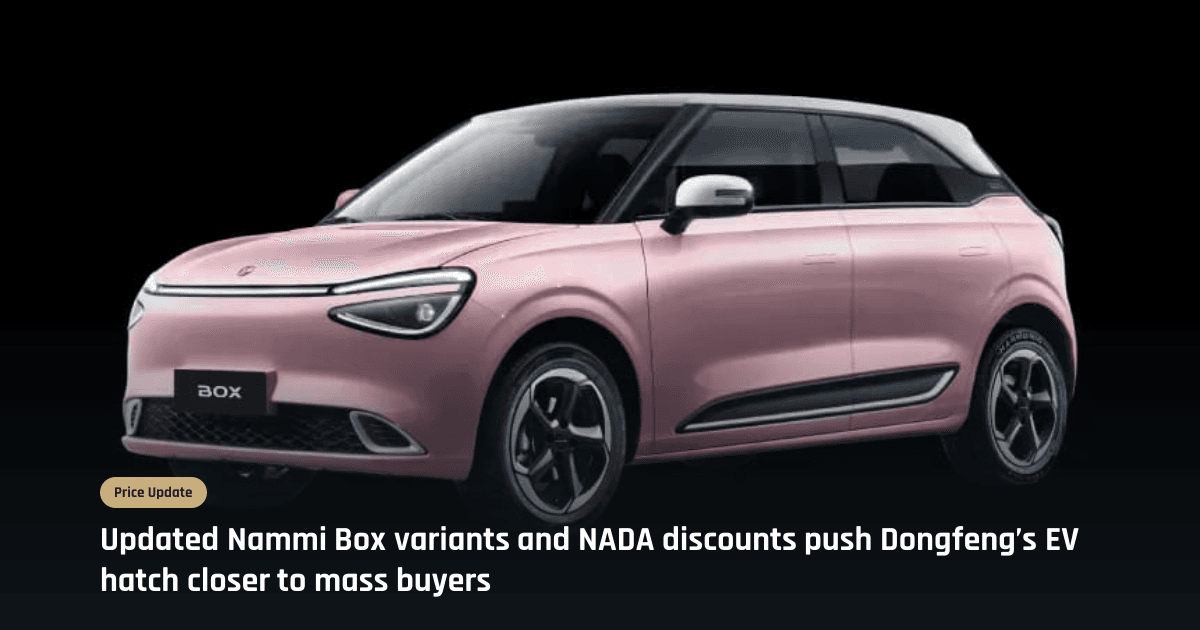
According to industry reports, **Dongfeng Motor** is one of the Chinese automakers moving fastest to align with these new rules. The company is accelerating construction of a solid-state battery plant with the aim of integrating its cells into vehicles in the second half of 2026.
Dongfeng is developing an oxide–polymer hybrid solid-state cell and claims that, in an electric car, this chemistry could enable up to 1,000 km of driving range on a single charge, depending on vehicle size and efficiency. These cells have reportedly completed high-temperature oven tests and extreme winter cold tests, and Dongfeng is gathering real-world data by running a fleet of around 100 vehicles in Hubei province.
Other major Chinese brands, including Changan, Geely and battery giant CATL, are also investing in solid-state and hybrid solid–liquid technologies. However, according to technical reviews, challenges such as solid interface resistance and long-term durability still need to be solved before large-scale mass production. Many experts expect wider commercial rollout and mass delivery of true all-solid-state packs closer to 2030.
Why this matters for Nepal
For now, these batteries are not yet in EVs sold in Nepal, and existing models here will continue using conventional lithium-ion packs. But China’s stricter standards mean that:
- Future EVs exported from China to Nepal are likely to carry better-tested, safer batteries.
- The marketing terms used for batteries should become clearer, making it easier for Nepali buyers to understand what technology they are actually getting.
- Over the next decade, if solid-state batteries reach mass production, Nepali EVs could benefit from longer range, faster charging and improved safety without a big jump in vehicle price.
In short, China’s new rules do not change today’s EV options in Nepal, but they strongly shape the technology roadmap for the next generation of electric cars that may arrive here later in the decade.
Writes on vehicle pricing, taxation and the Nepali auto market from ongoing tracking of distributor price lists. Editorial policy.