BYD targets top global spot without US sales
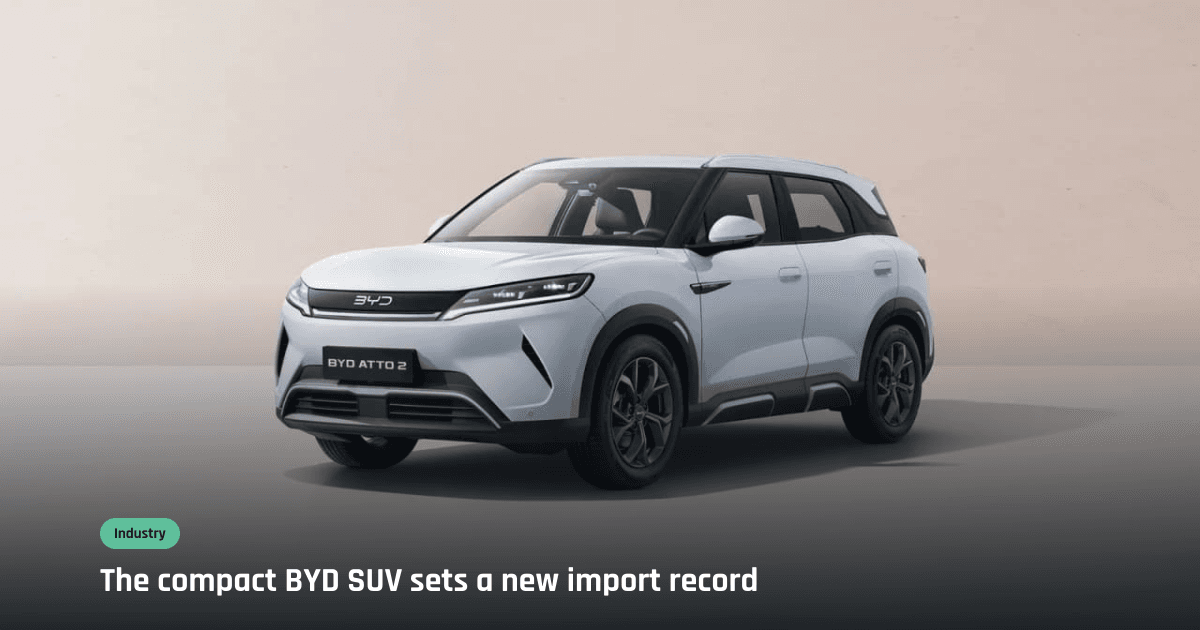
Chinese electric vehicle manufacturer BYD has said it can become the world’s largest automaker by sales without selling passenger cars in the US, as it speeds up its expansion in Europe and other overseas markets.
BYD’s international operations head, Stella Li, said the company aims to overtake Toyota’s global sales within about five years, relying on growth of its own brands rather than buying other car companies.
Current sales gap with Toyota
BYD sold about 4.27 million vehicles in 2024, nearly 90% of them in China, while Toyota delivered around 10.5 million vehicles globally in the same period.
BYD’s chairman has set a target of around 5.5 million sales in 2025, including more than 8 lakh overseas units, as the brand pushes deeper into foreign markets.
Europe at the center of BYD’s overseas push
Europe has become one of BYD’s most important regions outside China. The brand’s market share there has climbed to around 2–3% in recent months, enough to overtake some established names like Ford, Tesla and Nissan in total registrations in parts of Europe.
To support faster EV adoption, BYD is investing heavily in infrastructure. The company plans to spend about USD 2.28 billion (roughly Rs 305 billion) to install around 3,000 ultra-fast chargers in Europe by 2027, focusing especially on its premium Denza sub-brand.
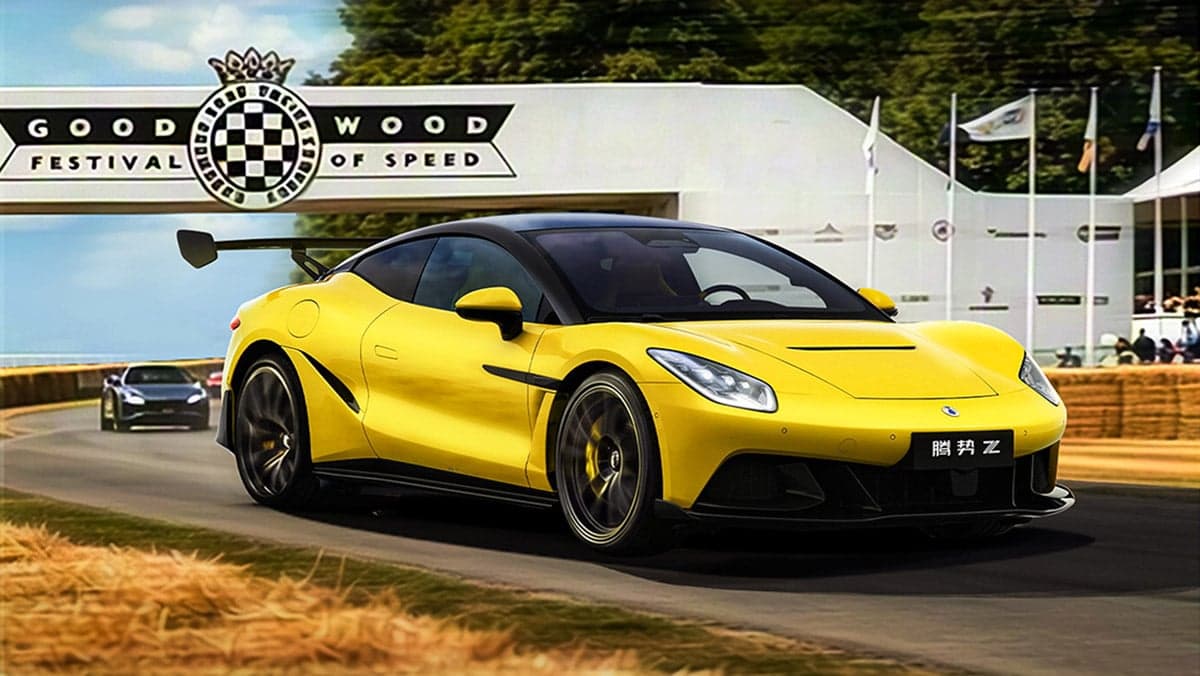
One of Denza’s upcoming models is the Denza Z electric supercar, aimed at high-performance rivals such as the Porsche 911. Details like exact power output, battery size and price have not yet been fully disclosed.
What it means for Nepali buyers
For Nepali customers, the most important point is that BYD’s global strategy depends on strong growth in Asia, Europe and other emerging EV markets, not on entering the US. That means BYD is likely to continue prioritising countries where it already has a presence, including Nepal, to grow its overseas share.
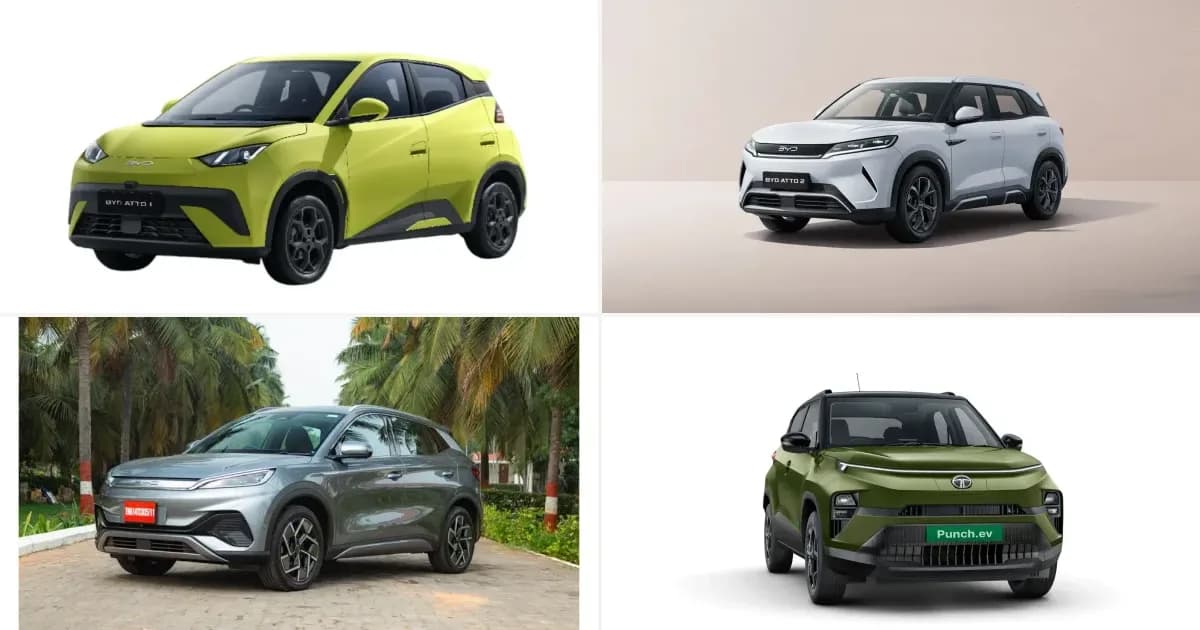
BYD has already become one of the leading EV brands in Nepal, and its plan to sell more vehicles outside China and build wider charging networks globally could bring:
- More model choices over time, including premium and performance EVs
- Better charging technology and possibly faster charging options when similar infrastructure reaches South Asia
- Stronger brand support as BYD competes directly with Toyota and other global players
For now, BYD’s claim is clear: it believes it can beat Toyota on global sales by 2030 without entering the US market, using rapid EV growth and heavy investment in Europe and other regions where Nepal is part of its wider strategy.
Writes on vehicle pricing, taxation and the Nepali auto market from ongoing tracking of distributor price lists. Editorial policy.