Chinese new‑energy giant **BYD has signed a major deal with UAE clean‑energy company Masdar to supply 11.275 GWh** of battery energy storage for a Round‑The‑Clock (RTC) renewable power project in Abu Dhabi. According to the announcement, this will be the world’s first gigawatt‑scale project designed to deliver 24‑hour renewable electricity using a massive solar‑plus‑storage setup.
What BYD is supplying
BYD’s energy storage arm will provide its Haohan utility‑scale storage system, built around storage‑dedicated Blade Battery cells with very high capacity and simplified battery management. The system is engineered to operate in harsh desert conditions, from around -30°C to 55°C, with strong protection against dust and sand.
The RTC project will pair several gigawatts of solar capacity with a total battery storage system of around 19 GWh, with BYD’s portion supporting a single station of roughly 1.64 GW/11.28 GWh, according to project details. The goal is to smooth out solar fluctuations and deliver stable baseload power at competitive prices.
This Abu Dhabi contract follows BYD’s win of a 12.5 GWh grid‑scale energy storage project in Saudi Arabia, currently described as the world’s largest of its kind. BYD says it has now deployed large storage projects in more than 100 countries.
Why this matters for Nepal
- BYD is already present in Nepal’s EV market. BYD’s electric cars and buses are sold in Nepal through local distributors, and they use the company’s Blade Battery technology. Large international projects validate the reliability and safety of the same battery platform that underpins BYD EVs on Nepali roads.
- Potential for cheaper, more robust EVs. As BYD scales production for massive energy storage orders in the Middle East and Europe, battery costs for its vehicles may continue to fall. Over time, this could help Nepali buyers get BYD EVs at more competitive prices, even after import duties.
- Relevance for rooftop solar and backup power. Nepal’s growing interest in rooftop solar and home or commercial battery backup could eventually benefit from BYD’s storage technologies. While the Abu Dhabi project is grid‑scale, the underlying Blade Battery and energy‑management software are modular and already used in commercial and industrial storage products.
- Benchmark for future grid projects. Nepal’s electricity grid is dominated by hydropower, but dry‑season supply, peak‑time management, and integration of future solar farms will likely require better storage solutions. Projects like Masdar’s RTC offer a reference model for how countries can use batteries to deliver firm renewable power around the clock.
What to expect next
There is no official announcement yet of BYD building large grid‑scale storage projects in Nepal. However, as NEA and private developers explore battery storage for peak‑shaving and to support EV charging corridors, BYD’s growing global track record and its existing presence in Nepal’s vehicle market make it a likely contender.
For Nepali EV buyers, the key takeaway is that BYD’s core battery technology is being proven at some of the world’s most ambitious renewable projects – a positive signal for long‑term performance and support of BYD cars and buses in Nepal.
Current prices on Nepal AutoMart
- BYD Atto 3 price in Nepal: Rs 55.99 lakh – Rs 67.8 lakh ex-showroom, 3 variants
- BYD Dolphin price in Nepal: Rs 41.15 lakh ex-showroom
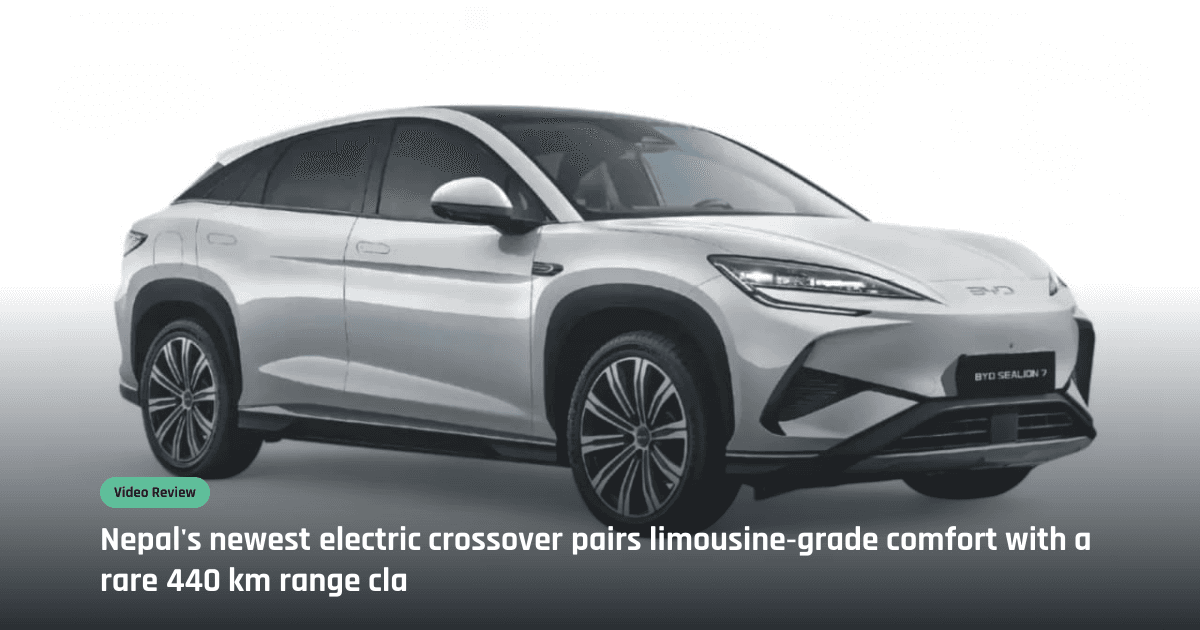
- BYD Sealion 7 price in Nepal: Rs 79.85 lakh ex-showroom
Writes on vehicle pricing, taxation and the Nepali auto market from ongoing tracking of distributor price lists. Every price in this piece is read live from the Nepal AutoMart catalog — how we verify prices.