Start with the numbers
The model, at a glance
Available variants, with prices in Nepalese rupees.
| Vehicle | Ex-showroom price | Fuel | Selected variant |
|---|---|---|---|
| 01Bajaj Pulsar N250 | Rs 5.2 lakh | Petrol | N 250 |
Ex-showroom prices exclude registration, road tax and insurance. Specifications can vary by trim. See individual source-check dates ↓
Where The Pulsar N250 Sits In Nepal's 250cc Race
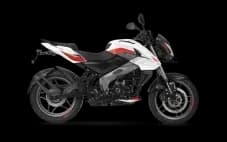
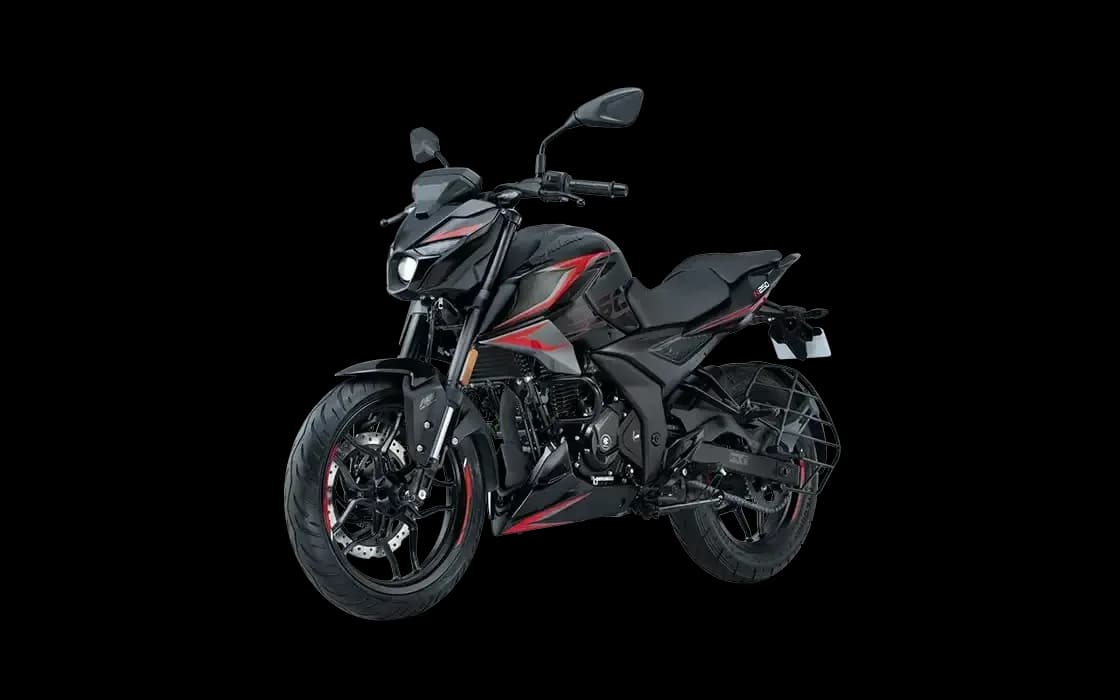
The Bajaj Pulsar N250 is a 249.07cc naked commuter sold in Nepal through Hansraj Hulaschand & Co, priced at Rs 5.2 lakh ex-showroom for the single N 250 variant at Rs 5,19,900. It arrived in the Nepali market in 2021 as Bajaj's answer to riders who wanted more muscle than a 200cc Pulsar but didn't want to jump straight to a 350cc Royal Enfield. On paper it undercuts nothing and overcuts a lot: it sits above the Pulsar NS200 in price, and that single fact shapes almost every conversation Nepali buyers have about it.
What makes the N250 interesting is what Bajaj packed in rather than what it left out. A 37mm USD fork, electronic traction control and dual-channel ABS with three selectable modes are not common at this price in Nepal, and owners consistently flag this as the bike's real selling point. The question this review answers plainly: yes, it's worth buying if you value that equipment list and can live with its two or three real compromises, but it is not a cut-and-dried value pick against its own cheaper sibling.
A Design That Divides Opinion More Than It Should
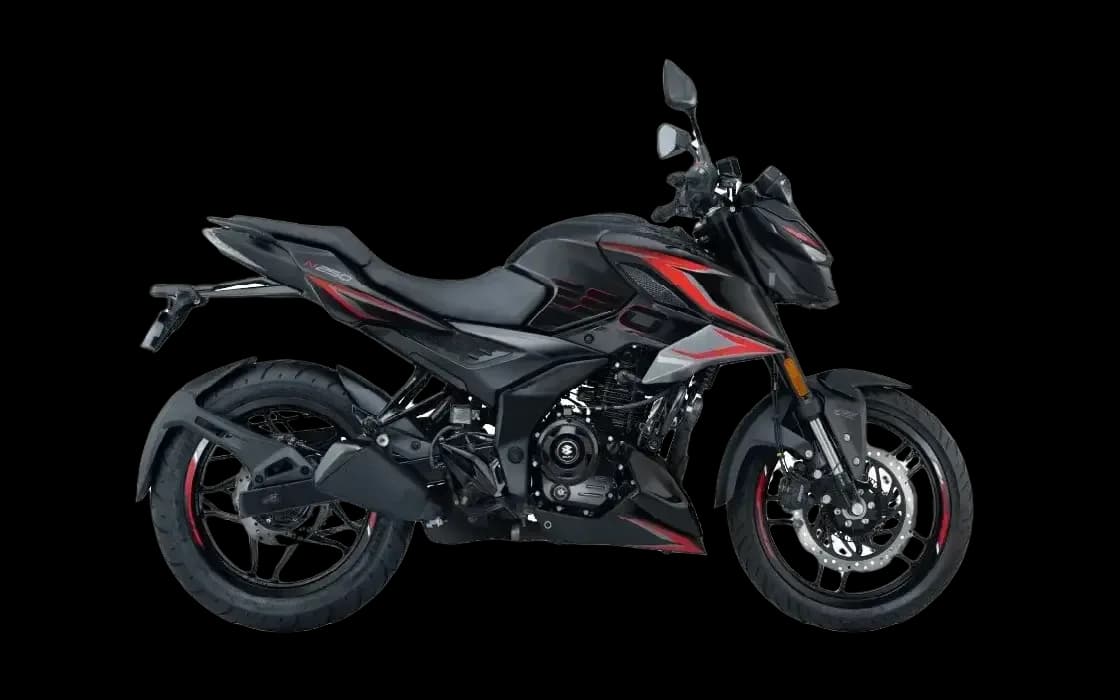
The N250's styling is a sticking point for a section of Nepali buyers. The headlight unit in particular comes up often as something people simply don't warm to, and the overall street presence is described by some owners as underwhelming next to rivals in the same price band. This isn't universal — plenty of owners are happy with how it looks — but it's common enough that a buyer should see one in person at a Kathmandu or Pokhara showroom before deciding, rather than going by catalog photos alone.
Build quality itself doesn't draw complaints in the owner feedback. At 164 kg kerb weight and 1986 mm long, 745 mm wide and 1050 mm tall, the bike has reasonable road presence without feeling bulky in traffic. The 1341 mm wheelbase keeps it manageable for riders who split time between narrow Kathmandu lanes and open highway stretches.
The Digital Console Is A Genuine Step Up, With One Catch
The N250's instrument cluster is a full digital unit with Bluetooth connectivity, turn-by-turn navigation and fuel and speed read-outs, and owners rate this as one of the bike's stronger features. For a commuter-class motorcycle at this price in Nepal, having phone-paired navigation on the dash is still unusual, and it's a point buyers bring up unprompted when asked what they like.
Where the display and connectivity theme gets more mixed is in daily usability. This is one area where opinion splits: some riders find the console intuitive once set up, others find the pairing and menu navigation fiddly enough that they stop using the Bluetooth features after the first few weeks. It works, but it asks a bit more patience than a simple analogue-digital combo would.
The Engine Pulls Hard In Traffic But Runs Out Of Gears On The Highway
The 249.07 cc single-cylinder, oil-cooled engine produces 24.5 PS at 8750 rpm and 21.5 Nm at 6500 rpm, routed through a 5-speed gearbox with an assist-and-slipper clutch. Fuel injection and twin spark plugs are standard, and the bike runs a 12V DC electrical system off a 12V 8Ah VRLA battery.
In city traffic this translates into strong, usable pickup — owners describe it as genuinely powerful for the kind of stop-start riding Kathmandu and Pokesara's traffic demand, with enough mid-range to pull out of a gap without dropping two gears. This is the talking point raised most consistently about the bike, and it's mostly a point in its favour.
The complaint that follows close behind is the lack of a sixth gear. At sustained highway speed the engine has to work harder than it should, and overtaking on the open road feels strained rather than relaxed. This is the bike's most commonly flagged mechanical shortfall. It doesn't make the N250 unfit for highway runs to Pokhara or the Terai, but it does mean the motor is happiest doing 60-80 km/h city-to-highway duty rather than sustained 100 km/h+ cruising.
The clutch itself draws a smaller but real complaint: some riders report it feeling heavier than expected during long stretches of heavy Kathmandu traffic, which adds up over a daily commute.
Handling Stays Composed, Ground Clearance Doesn't Always Cooperate
The USD front fork and mono rear suspension (without a canister) give the N250 a planted, confident feel through corners, and this is one of the more consistently praised aspects of how the bike rides. Handling and cornering behaviour draws mixed opinions overall, but where the bike is praised it's usually for feeling predictable rather than twitchy, which matters on Nepali roads where surface quality changes without warning.
Ride quality on broken tarmac is another area where owners don't fully agree. Some find the setup absorbs potholes and patchwork repairs well; others feel it's firmer than ideal for Nepal's rougher stretches. What's consistent is the complaint around the 165 mm ground clearance: on some of the taller speed breakers found around Kathmandu Valley and smaller towns, riders report scraping or near-scraping, which is worth factoring in if your daily route has a lot of them.
Braking feel is a recurring talking point, and this is also where reaction splits. The bike runs a 300 mm front disc and 230 mm rear disc, both under dual-channel ABS with three selectable modes — Road, Rain and Off-Road — alongside electronic traction control. Several owners rate this setup as a genuine strength, particularly the confidence it gives on wet roads during monsoon riding. Others feel initial bite could be sharper. Given the hardware on offer, this is one of the stronger safety packages in the segment at this price, even if outright feel is a matter of taste.
Comfort Works For The Rider More Than The Pillion
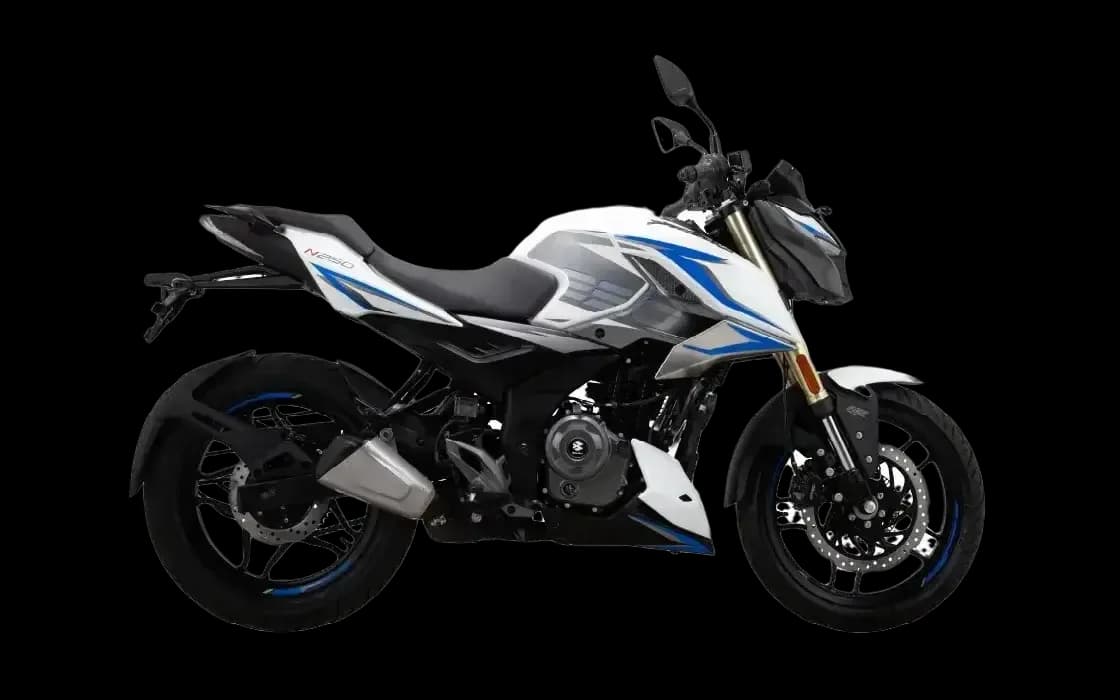
Seat height sits at 795 mm, which keeps the bike approachable for a wide range of rider heights, and the riding position is generally well received — this is one of the few talking points where opinion leans clearly positive. The upswept exhaust design also helps keep things tidy and contributes to that accessible seat feel.
Rear seat comfort is a different story. Owners rate it as only average for carrying a pillion over distance, and this lines up with what the bike is clearly built for: solo commuting and occasional two-up trips, not long-haul touring with a passenger. Families planning regular two-up highway runs should weigh this before buying.
Running Costs And What The 14-Litre Tank Means Day To Day
Claimed mileage sits around 35-40 km/l, a figure drawn from India-spec testing rather than confirmed Nepali on-road figures, and it should be read as a best-case number rather than a daily guarantee. With a 14-litre fuel tank, that claimed figure would put a full tank's range well north of 400 km on paper, though owners are candid that Nepal's hill climbs and stop-go valley traffic pull real-world figures down from any claimed number. Riders who do a lot of hill climbing between Kathmandu and surrounding towns should expect noticeably lower returns than flat-road commuting.
Ownership costs beyond fuel look manageable thanks to Bajaj's reach in Nepal. HH Bajaj runs a network that stretches well beyond the big cities, and the distributor's own count — 172 showrooms and 150 service centres — reaches into towns like Dhangadhi, Birtamode and Inaruwa, not just the Kathmandu-Pokhara-Birgunj corridor. That matters for parts and service access if you live outside the valley. The vehicle also carries a 5-year or 75,000 km warranty, whichever comes first, provided the first three free services are completed without lapsing — a condition buyers should diarise carefully — plus an 18-month warranty on the battery from purchase date.
The Only Variant, And What You're Actually Paying For
There is one variant on offer in Nepal: the N 250 at Rs 5,19,900 ex-showroom, built around the 249.07cc engine already discussed. There's no lower-spec trim to trade down to and no higher one to step up into — what you see is the full range. That simplifies the buying decision in one sense: there's no variant-picking exercise, just a yes-or-no on the bike itself at this price.
What that price buys is the complete package: USD forks, dual-channel ABS with three ride modes, traction control, the Bluetooth-enabled digital console with navigation, and the slipper clutch. Nowhere in this segment in Nepal does a single price point bundle quite this much electronic and chassis hardware together, which is exactly why the recurring "it's overpriced" owner complaint needs context — it's usually a complaint about the gap to the NS200, not a complaint about the hardware for the money.
The Bajaj Pulsar NS200 Keeps Pulling Buyers Away From It
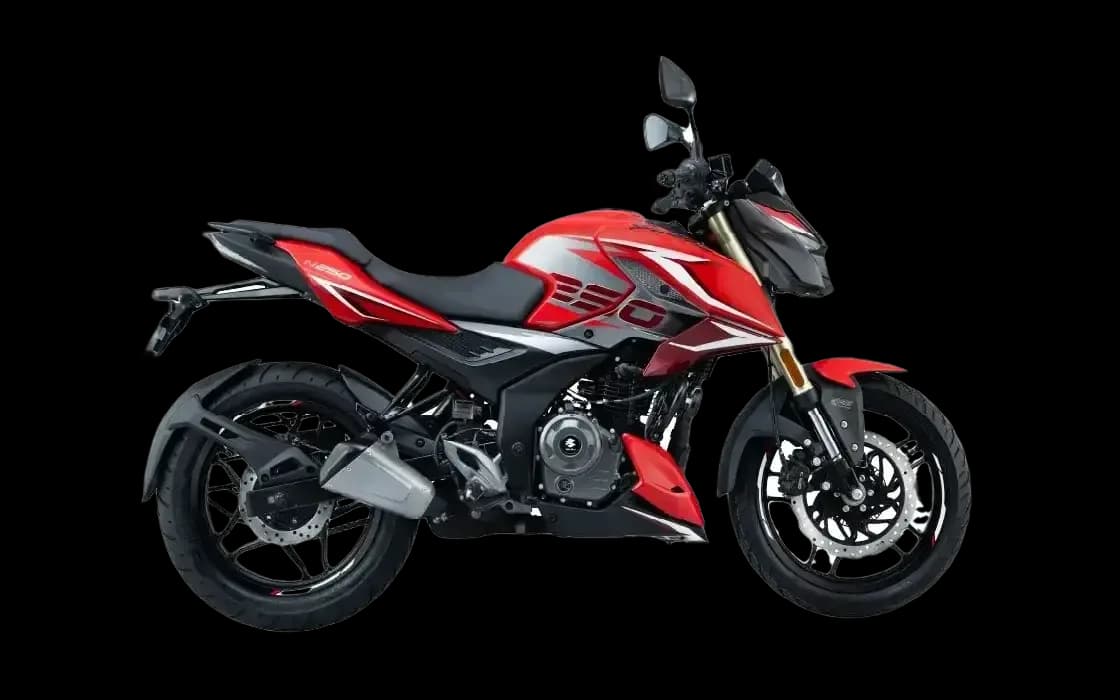
This is the comparison Nepali buyers make more than any other, and it isn't really a rival from outside the family — it's Bajaj's own cheaper Pulsar undercutting the N250 in the minds of value-conscious buyers. Owners repeatedly say the NS200 offers similar everyday usability for noticeably less money, and more than one has said directly that they'd pick the NS200 over the N250 given the price gap. The N250 counters with its USD fork, traction control and dual-channel ABS, none of which the NS200 matches, but for a buyer who mainly wants quick, light city transport and doesn't care about ride modes, the argument for paying more is a harder sell.
The Hero XPulse 200 4V Offers A Different Kind Of Versatility
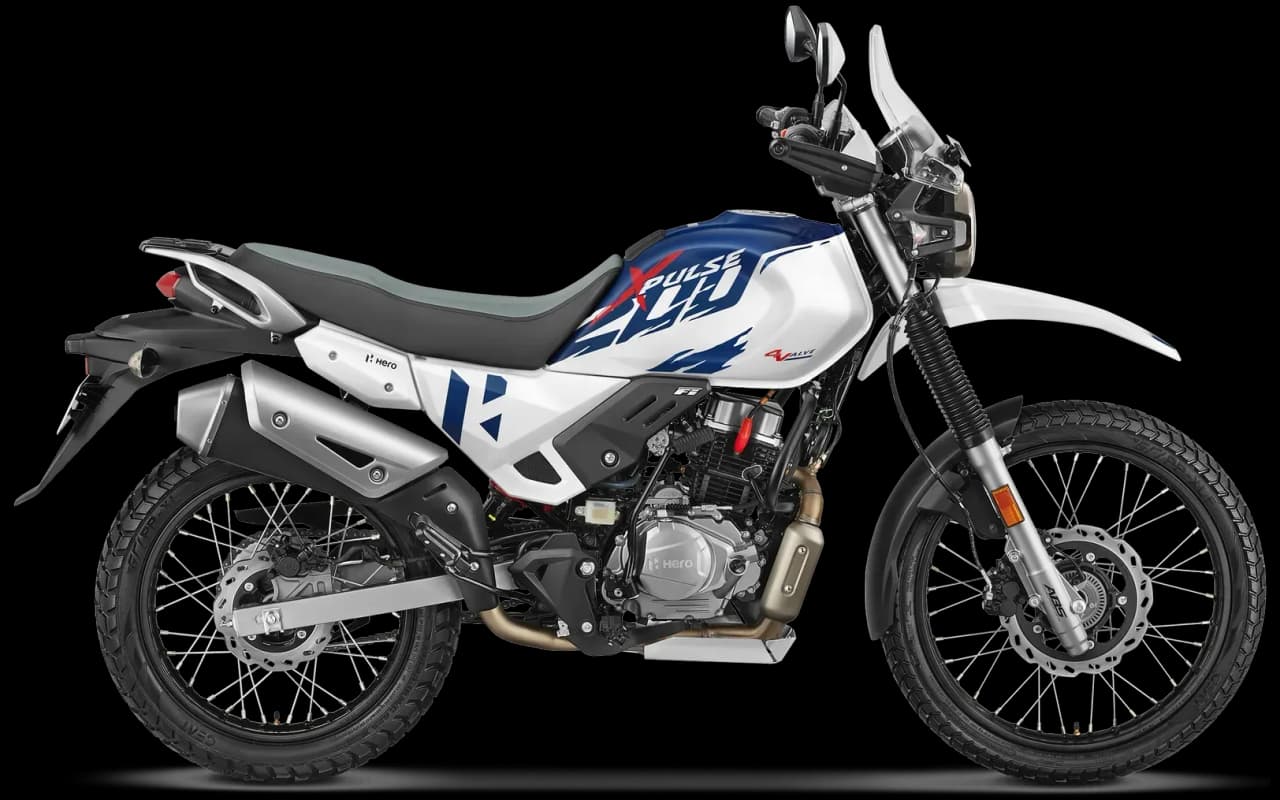
The Hero XPulse 200 4V runs a smaller 199.6 cc engine against the N250's 249.07 cc, and it's built with a more off-road-oriented stance rather than the N250's street-naked focus. Buyers cross-shopping these two are usually choosing between two different use cases — the XPulse 200 4V for riders who want some gravel and trail capability built in, the N250 for riders who want road-focused performance and a sportier riding posture. Confirmed pricing comparisons aren't available, so this is a spec-and-purpose comparison rather than a value one.
The CFMoto 250 Dual Matches It On Displacement, Not On Equipment
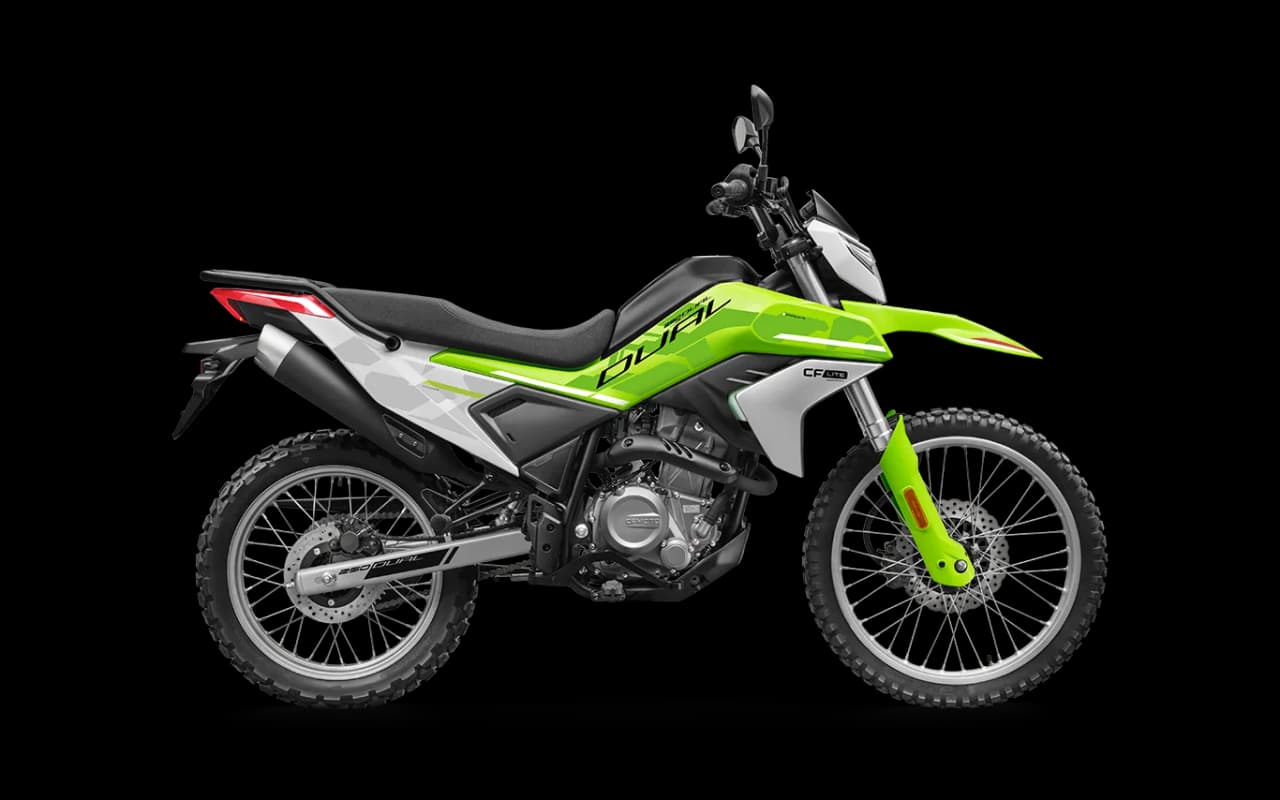
At 249 cc, the CFMoto 250 Dual sits almost exactly level with the N250's 249.07 cc on paper, making it one of the closer displacement matches in the Nepali market. Where the two differ is positioning — CFMoto's dual-purpose styling targets a different kind of buyer than the N250's street-naked design, and the N250's traction control and ride modes aren't matched spec-for-spec on the CFMoto's sheet. Without confirmed pricing on both sides, this remains a shape-and-feature comparison rather than a straight value call.
The Honda NX 200 Is The Smaller-Engined, Trail-Styled Option
The Honda NX 200's 184.4 cc engine gives away over 60 cc to the N250, and it leans toward a more upright, trail-inspired design rather than the N250's naked streetfighter look. Riders drawn to Honda's reliability reputation and a smaller, lighter machine may find the NX 200 appealing for pure city use, but anyone wanting the N250's highway pulling power and electronic safety suite will find the Honda a step down on both fronts. Price comparison isn't confirmed, so this again comes down to what kind of riding you plan to do.
Our Verdict: Buy It For The Electronics, Not Instead Of The NS200
The Bajaj Pulsar N250 is a well-equipped, genuinely capable 250cc commuter that earns its keep in city traffic and holds its own on highway stretches short of sustained high-speed cruising. The USD fork, dual-channel ABS with three ride modes and traction control are rare at this price in Nepal, and the Bluetooth console with navigation adds daily convenience most rivals don't offer. HH Bajaj's distribution network also means parts and service aren't a worry even outside Kathmandu.
The honest limitation is the one owners raise most: the price sits above the Pulsar NS200 for a bike aimed at similar daily use, and buyers who don't specifically want the extra electronics will keep asking why they should pay more. Add the missing sixth gear, the tight 165mm clearance on taller speed breakers, and only-average pillion comfort, and this becomes a bike best suited to solo or lightly two-up city-and-highway commuters who actually want the tech on board — not a default pick for anyone just comparing numbers on a showroom brochure.
For the current variant-wise figures, see our Bajaj Pulsar N250 price in Nepal page — it is updated whenever the distributor changes a price.
Frequently asked questions
Is the Pulsar N250 worth buying? It's worth buying if you want USD forks, dual-channel ABS with ride modes and traction control in a 249.07cc commuter, features that are uncommon at its Rs 5.2 lakh ex-showroom price in Nepal. It's a harder sell if you're simply looking for the cheapest capable commuter, since the Pulsar NS200 covers similar daily use for less.
What is the recommended service interval for the Pulsar N250? Bajaj requires the first three free services to be completed without lapsing to keep the vehicle warranty valid. The vehicle carries a 5-year or 75,000 km warranty, whichever occurs first.
How many km can I ride on a Pulsar N250 continuously? With a 14-litre fuel tank and claimed mileage around 35-40 km/l, a full tank can theoretically cover well over 400 km, though real-world range in Nepal's hilly terrain and city traffic will be lower than the claimed figure.
What are some common issues with the Pulsar N250? Owners most often point to the absence of a sixth gear, which makes the engine feel strained at sustained high speed, and the 165 mm ground clearance catching on some of Nepal's taller speed breakers. A heavier clutch feel in stop-go traffic and only-average pillion comfort are also raised.
N250 mileage per liter? Claimed mileage is around 35-40 km/l, based on India-spec testing. Actual figures in Nepal will vary with terrain, hill climbing and riding style.
Real buyers, real ownership
What owners are saying
Compiled owner and buyer discussion for this vehicle — likes, complaints and the questions buyers ask.
Explore full specifications, variants & ownership context
Know the product
Key specifications, features & ownership context
Choose a variant to see its recorded specifications and features. Equipment and prices can change across trims.
Latest catalog and directory records supplement the original analysis. Figures may have changed since publication; individual specification and price-check dates appear below.
Rs 5.2 lakh ex-showroom · source checked 16 Nov 2026
Engine & performance
| Specification / feature | N 250 |
|---|---|
| Engine displacement | 249.07 ccVerified specification · 4 Nov 2026 |
| Max power | 24.5 PSVerified specification · 4 Nov 2026 |
Brakes, tyres & suspension
| Specification / feature | N 250 |
|---|---|
| ABS | Dual-channel ABSResearched · confirm · 10 Nov 2026 |
Dimensions & weight
| Specification / feature | N 250 |
|---|---|
| Ground clearance | 165 mmVerified specification · 4 Nov 2026 |
Showroom & service support
Distributor: Hansraj Hulaschand & Co. Pvt. Ltd. (HH Bajaj)
Bajaj showrooms in Kathmandu (172 showrooms nationwide) · Bajaj service centers in Kathmandu (150 service locations nationwide)
Listed cities include Aanbu Khaireni, Attariya, Baglung, Banepa, Banepa New, Banganga and 88 more.
Brand-wide directory coverage. Confirm that your nearest workshop supports this exact model, powertrain and warranty work; ask about parts availability and booking time.
Market buzz & buyer priorities
Compiled discussion, including buyer reactions and ownership reports; this is not a verified owner survey or a reliability score. Research dated 27 Sept 2026.
What people like
- Excellent value for money with the addition of USD forks and traction control
- Smooth power delivery suitable for both city commutes and highway rides
- Improved digital console with Bluetooth connectivity and turn-by-turn navigation
More feedback
- Competitive pricing compared to other 250cc motorcycles in the Nepali market
- Strong braking performance with dual-channel ABS and multiple ride modes
Concerns to investigate
- value for money questioned against NS200
- Absence of a 6th gear makes the engine feel strained at very high speeds
- Ground clearance of 165mm can be tight for some of Nepal's larger speed breakers
More feedback
- Slightly heavy clutch feel reported by some riders in heavy Kathmandu traffic
- Rear seat comfort is considered average for long-distance touring with a pillion
What buyers ask for
- On-road price and financing options in Nepal
- Real-world mileage in city traffic versus highway
- Availability of parts in rural or hilly districts
More feedback
- Ground clearance for rough road conditions
Nepal ownership context
- The vast HH Bajaj service network ensures easy access to spare parts across Nepal
- Retains strong resale value due to the high brand trust of the Pulsar name in Nepal
- The 2024/2025 updates make it a more modern choice against the Yamaha MT-15 and Duke 200
More feedback
- Fuel efficiency is highly dependent on Nepali terrain and hill climbing
- Nepali buyers mainly compare the N250's performance and price with other 200–250cc motorcycles, while also checking Bajaj service reach, spare-parts availability and resale strength.
- Its torque and road presence are attractive for Kathmandu traffic, highway riding and hill-road climbs, but fuel economy depends heavily on traffic, riding speed and maintenance.
- The N250 is a petrol motorcycle, so fuel availability rather than charging access is the relevant running-cost consideration in Nepal.
Use these facts alongside the article’s full analysis. Check the final quotation, warranty terms and exact equipment before booking.
Evidence & next steps
Check the details before you buy
Use this guide to build a shortlist. Ask for a written quotation for your chosen variant, including registration, taxes, insurance and finance charges. Confirm the nearest authorised workshop supports that model.
Price sources and dates
These are the recorded distributor-source checks for the selected overview trims. They are separate from the article update and catalog read dates; they do not mean every trim was rechecked today. Confirm the final price with the distributor.
Overview photos come from the corresponding model records; additional article photos carry their own credits. Running costs depend on usage, energy prices, maintenance, insurance and resale value.