Bajaj Auto, one of Nepal’s most popular two-wheeler brands, has confirmed that it is developing its first electric motorcycle, aimed initially at export markets before an eventual launch in India.
What Bajaj has announced
According to Bajaj’s Chief Financial Officer Dinesh Thapar, the new electric bike project is progressing and the company is targeting a launch around FY 2028, with exports first and India expected later, possibly late 2028 or early 2029, as mentioned in the company’s earnings call.
Bajaj has not yet shared battery size, motor output, range, or charging details. The model is described internally as a premium electric motorcycle, suggesting performance and pricing above typical commuter scooters.
At the same time, Bajaj’s Chetak electric scooter continues to grow strongly, and the company is expanding the Chetak range with new variants and raising production capacity to meet rising EV demand in India.
Nepal angle: what it could mean for Nepali buyers
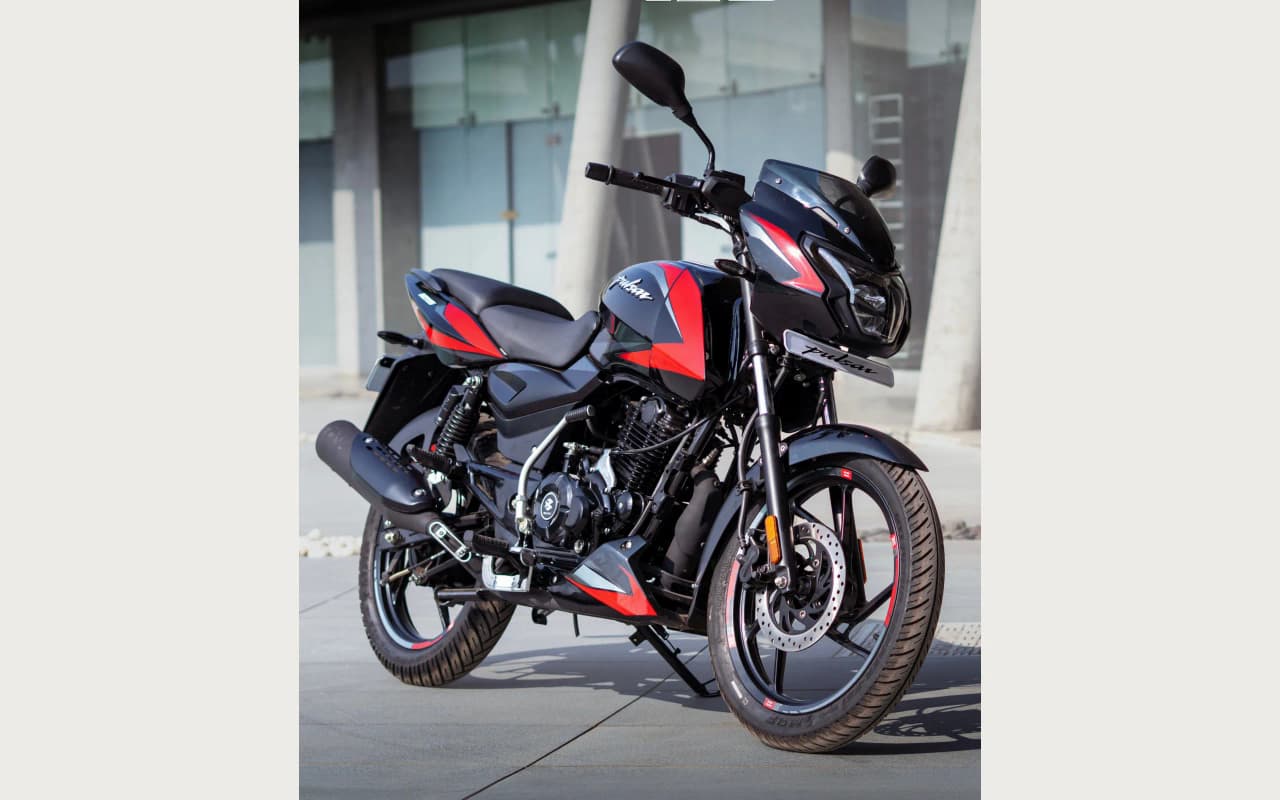
- Nepal is already a key export market for Bajaj’s ICE motorcycles such as Pulsar and Discover, brought in mainly from India.
- With Bajaj prioritising export markets for its first electric motorcycle, there is a realistic possibility that Nepal could be among the early regional destinations, especially if the bike is positioned as a premium urban commuter.
- If the model is eventually branded under Pulsar or a similar familiar nameplate, it could speed up acceptance among Nepali riders looking to upgrade from 150–200 cc petrol bikes to an EV.
In price terms, a premium Bajaj electric motorcycle imported from India would likely sit above current entry-level electric scooters in Nepal. A rough expectation, based on typical Indian ex-showroom pricing for premium bikes and the cost of EV components, is that such a model could arrive in the Rs 5–8 lakh bracket in Nepal once taxes and dealer margins are added — this is an estimate, not an official figure.
Impact on Nepal’s two-wheeler EV transition
Nepal’s EV two-wheeler market is currently dominated by scooters from India and China, while electric motorcycles are still limited and relatively expensive. A Bajaj electric bike could:
- Offer a familiar, mainstream brand option for riders who prefer motorcycle-style ergonomics over scooters.
- Put price pressure on existing electric motorcycles from smaller brands once Bajaj enters the segment.
- Support government efforts to reduce fuel imports by adding a high-volume, recognisable EV motorcycle to the market.
For now, Bajaj has only confirmed development and an export-first strategy. Specific launch timing, specs, and official pricing for Nepal will depend on how quickly the bike reaches international markets and on future tax and EV policy decisions on both sides of the border.
Key takeaway for Nepali buyers: Bajaj’s move into electric motorcycles makes a Bajaj/Pulsar-branded EV bike in Nepal around FY 2028–2029 a plausible future option, likely as a premium commuter, but detailed specs and final prices are still to be announced.
Writes on vehicle pricing, taxation and the Nepali auto market from ongoing tracking of distributor price lists. Editorial policy.