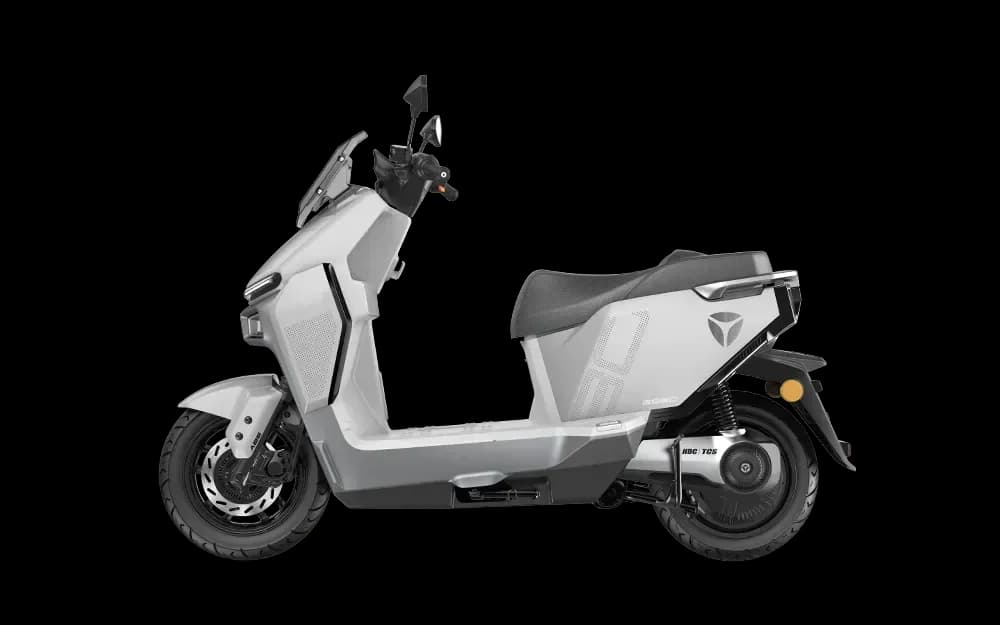
Where the Yadea GT 80 Sits in the Nepali Market
Yadea’s GT 80 arrives in Nepal as a maxi-style electric scooter for riders who want more than basic city commuting. With a 3.6 kWh lithium battery, a claimed range of up to 150 km and a 5 kW peak hub motor, it is clearly positioned as a performance-oriented urban and peri-urban EV rather than a bare-bones economy scooter.
The official ex-showroom price is Rs 3.35 lakh, placing the GT 80 at the premium end of the electric scooter segment. It sits above smaller city-focused e-scooters on price, but offers more power, higher top speed and comfort-oriented design. This makes it an option for riders who previously would have looked at high-end petrol scooters or entry-level motorcycles for highway-capable performance.
Yadea Nepal, operated by Kuzu Nepal Pvt. Ltd., backs the GT 80 with a growing footprint: 39 showrooms and 11 service centres across the country. That kind of network is still rare for EV-only brands and matters greatly for buyers who intend to use their scooter daily and on longer routes.
Looks, Design and Build
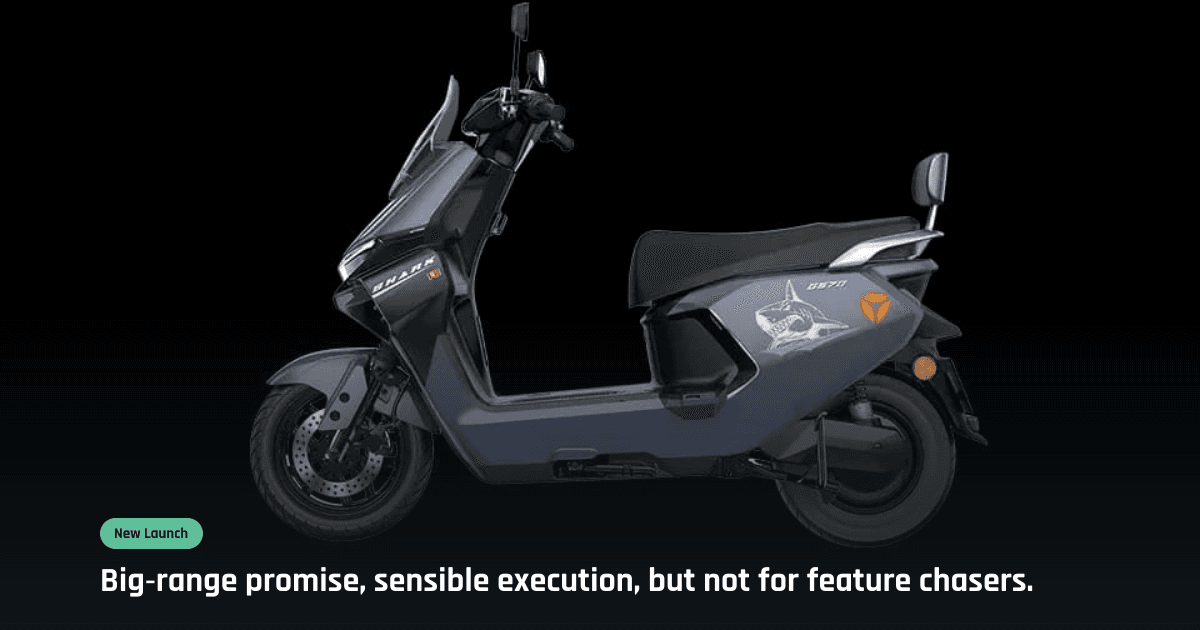
The GT 80 embraces maxi-scooter styling: a large, full-bodied design with a clear focus on touring and comfort. The length is approximately 1966 mm, width 713 mm and height 1333 mm, so it is visibly larger than the typical city e-scooter. The stance is long and substantial, closer to premium petrol maxi-scooters than to compact urban EVs.
The scooter uses a cruiser-style riding position, with a wide, two-seat layout designed for relaxed long rides. This will appeal to riders who find cramped, upright commuter scooters tiring over distance. The front section, floorboard and seat appear designed to give enough room for taller riders and for pillion comfort.

In Nepal, the GT 80 is offered in multiple colour options, though the exact palette is not formally detailed. Broadly, the design language is modern and premium, aiming to look like a serious tourer rather than a toy-like EV. The surfaces and proportion suggest a focus on perceived quality and road presence.
The build includes an underseat storage box and integrated bodywork that supports its touring image. That said, exact build materials and long-term durability will only be proven over several years of use, so early buyers are effectively the first wave testing Yadea’s finish in local conditions.
Features and Equipment
This is one of the most feature-rich e-scooters in the segment. The GT 80 comes with a TFT display that supports a smart connectivity suite and Bluetooth. Riders get access to the Yadea Smart App, navigation mirroring and keyless access, moving the user experience closer to that of premium motorcycles and international EV scooters.
Convenience equipment includes:
- Cruise control for relaxed highway sections
- Hill Hold to prevent rolling back on inclines
- Hill Descent Control to manage speed and stability on downhill segments
On the safety side, the scooter offers dual disc brakes front and rear and a traction control system. Traction control is still rare among mainstream scooters in Nepal, especially in electric form, and adds confidence on wet or loose surfaces.
There is also regenerative braking technology integrated into the rear-wheel hub motor drivetrain. This helps recover some energy under braking and deceleration, improving efficiency and range in stop-start urban usage.
Overall, in terms of features, the GT 80 feels like a fully-loaded EV rather than an entry-level conversion. It targets riders who explicitly care about tech and safety equipment.
Motor, Battery and Performance
The Yadea GT 80 uses a rear hub motor drivetrain with 3 kW continuous power and 5 kW peak output. Coupled with the 3.6 kWh lithium battery, this setup allows a claimed top speed of 80 km/h and a claimed range of up to 150 km on a single charge.
In practical terms, the power output and top speed place the GT 80 in a category where short highway runs and fast outer-ring commuting are realistic. Unlike many smaller e-scooters that feel strained or max out around 50–60 km/h, the GT 80 is engineered to cruise at higher speeds comfortably.
The hub motor also simplifies the drivetrain, with fewer moving parts than traditional engine-and-chain or belt systems. For most users, this should translate into lower mechanical maintenance requirements over time.
An important note is that Nepal officially gets a single-battery configuration. Globally, a dual-battery GT80-P variant exists, with an extra battery under the U-box, but that additional capacity is not part of the standard Nepal spec. This means realistic range in mixed riding is likely lower than what dual-battery international variants can achieve, although the 150 km claim remains strong for a single battery in this power class.
Charging specifications and fast-charging capability are not clearly communicated for the Nepal market. Buyers should treat this as an open question and directly confirm charging times and charger options at the dealership.
Ride, Handling and Comfort
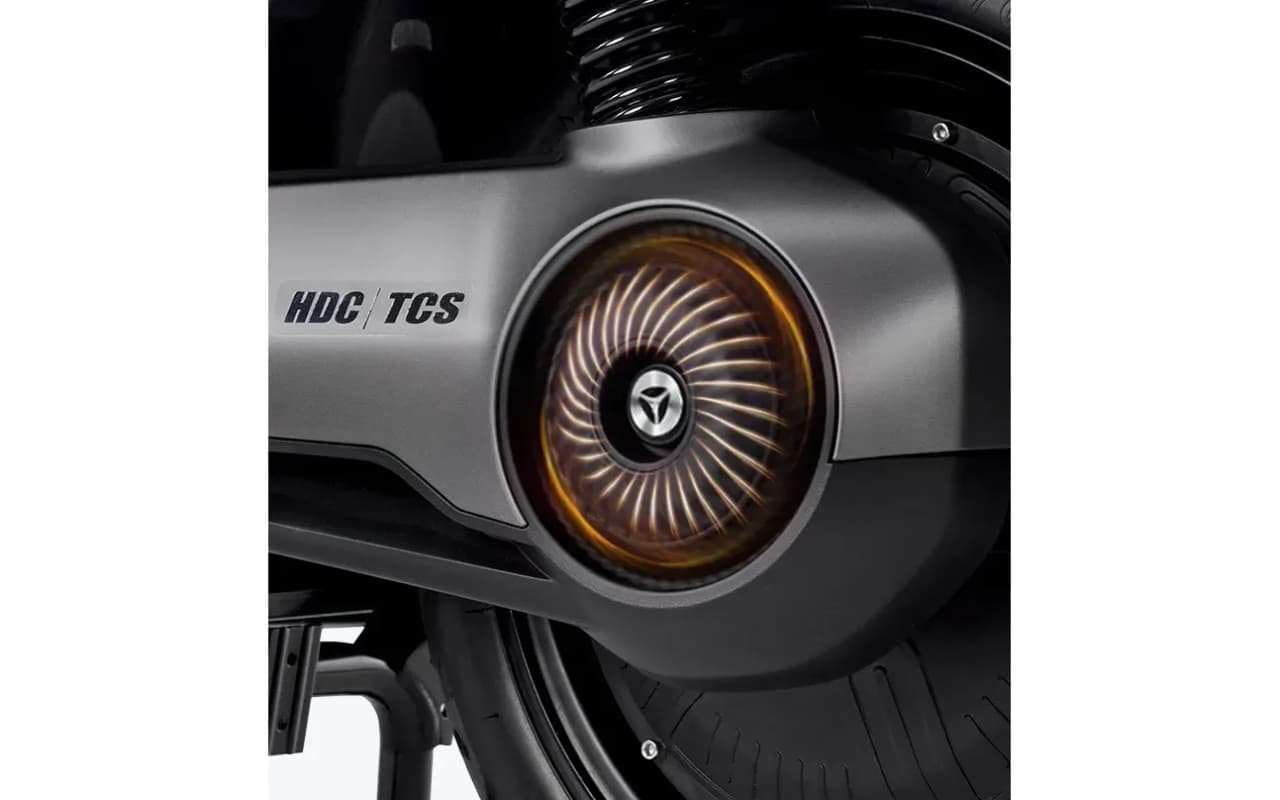
On paper and in showroom observation, the GT 80 is designed for comfort-first riding. The long wheelbase (not officially disclosed) and generous dimensions suggest a stable, planted feel at speed. The cruiser-style ergonomics aim to reduce fatigue over longer distances, especially for riders who commute across districts or frequently use ring roads and highways.
The wide seat and 2-seat layout prioritise both rider and pillion support. Maxi-scooter body design typically allows more legroom and better wind deflection, and the GT 80 follows that formula. For city usage, the size may feel overkill to some, but for mixed city-highway use, this is arguably an advantage.
Dual disc brakes ensure strong stopping power, and the traction control system plus regenerative braking work together to help maintain stability when decelerating or on low-grip surfaces. Hill Hold and Hill Descent Control further enhance low-speed confidence on steep Nepali terrain.
However, since ground clearance and wheelbase figures are not officially disclosed, it is hard to precisely predict how the GT 80 will handle deeply rutted roads or tall speed breakers when fully loaded. Real-world feedback over time will be important here, especially for rural or semi-urban riders.
Practicality and Running Costs
Practicality on a scooter is driven by storage, comfort, ease of use and running costs. The GT 80 includes an underseat storage box, but the exact volume is not officially specified. In showroom terms, the storage appears adequate for daily commuting items or a half-face helmet, though it may not match the largest petrol maxi-scooters.
The single battery is integrated into the chassis, and the global dual-battery variant uses extra space under the U-box. That reinforces the GT 80’s role in Nepal as a touring-capable but not extreme-long-range scooter.
On running costs, electric scooters generally benefit from lower per-kilometre energy expenditure compared to petrol two-wheelers. With 3.6 kWh capacity and a claimed 150 km range, the GT 80 sits among the more efficient premium EVs on paper. Daily urban riders should see significant savings on fuel compared to equivalent power petrol scooters, assuming regular home or office charging.
Importantly, Yadea offers a 3-year or 50,000 km battery warranty in Nepal. This is a key comfort factor for buyers concerned about battery degradation, as it covers a typical multi-year city commuting usage pattern. Combined with Yadea’s nationwide network of 39 showrooms and 11 service centres, long-term usability is supported better than with many smaller EV brands.
Price, Variant and Which One to Pick
As of now, the Yadea GT 80 is offered in a single variant in Nepal:
- GT 80 – Rs 3.35 lakh (ex-showroom)
There are no officially listed sub-variants or alternative battery configurations for the Nepal market. This simplifies the buying decision: if you want Yadea’s maxi-style performance e-scooter, this is the one you get.
At around Rs 3.35 lakh, the GT 80 clearly targets riders willing to pay a premium for comfort, tech features and performance. It is not designed to be the cheapest way into EV commuting. Rather, it aims to replace higher-end petrol scooters or lighter motorcycles for users who value refinement and lower running costs.
For riders primarily focused on short inner-city hops, cheaper, smaller e-scooters may make more financial sense. For those who routinely cover longer distances or want their scooter to double as a weekend tourer, the GT 80’s combination of range, speed and safety equipment makes this variant the logical choice.
Rivals and Alternatives in Nepal
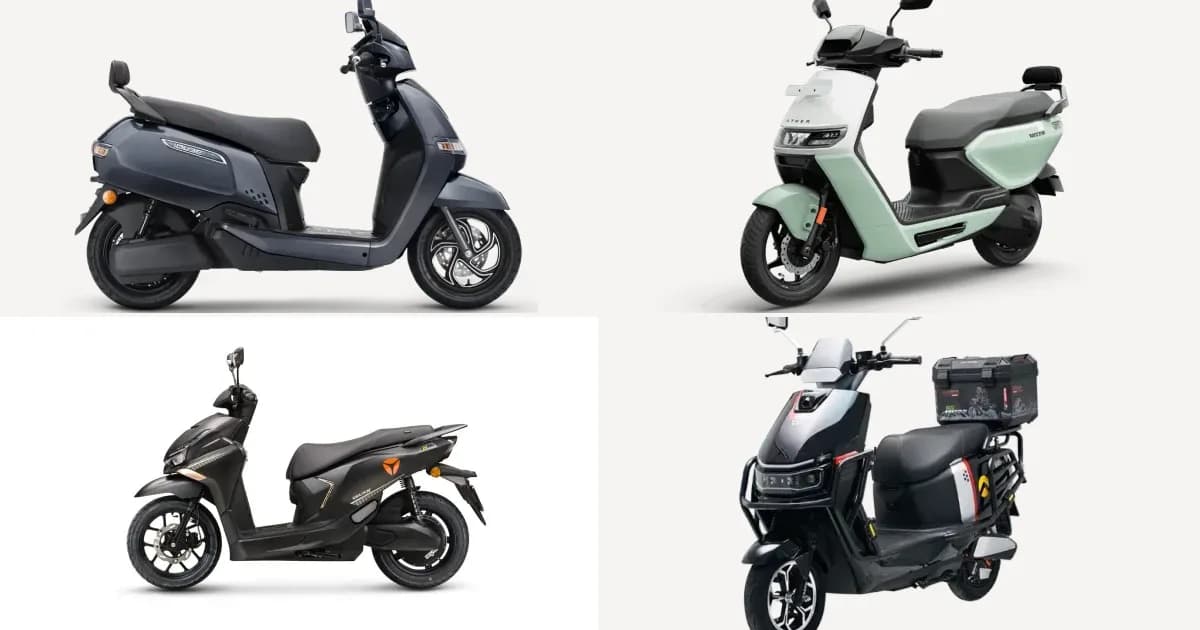
In Nepal’s electric scooter landscape, the GT 80’s real rivals are other premium-performance e-scooters and higher-end petrol scooters that offer similar comfort and speed. Most mainstream e-scooters target urban commuting with lower top speeds and smaller batteries, whereas the GT 80 pushes toward long-range touring and highway-capable performance.
Compared with simpler city EVs, the GT 80 offers:
- Higher peak motor output (5 kW)
- Higher top speed (80 km/h)
- More sophisticated safety tech (dual disc brakes, traction control, hill features)
- Maxi-scooter comfort and size
In exchange, it demands a higher upfront price and sacrifices some of the agility and compactness that make smaller scooters easy in tight city alleys.
Within petrol segments, the GT 80 competes with premium 125–150 cc scooters and entry-level commuter motorcycles. Against those, it trades fuel costs and engine noise for quiet operation, instant torque and advanced electronics, while still delivering comparable speed for normal Nepali highway use.
Verdict: Who Should Buy the Yadea GT 80?
The Yadea GT 80 is best suited to riders who prioritise comfort, technology and genuine performance in an electric scooter. It is not the cheapest way to go electric; instead, it is the scooter for someone who wants:
- A maxi-style, comfortable riding position
- Strong acceleration and an 80 km/h top speed
- A claimed range of around 150 km suitable for daily and weekend use
- Advanced convenience features like cruise control, hill-assist functions and smart connectivity
- Safety features such as dual disc brakes and traction control
At around Rs 3.35 lakh, the GT 80 offers a compelling package for urban and peri-urban riders who want their scooter to handle both daily commuting and occasional longer rides, and who value lower running costs over several years. The lack of clear information on ground clearance, storage volume and charging specifics is a drawback, but the multi-year battery warranty and national dealer network help counterbalance those gaps.
For riders who simply need the most affordable electric scooter and rarely leave the city core, smaller, cheaper EVs will be more rational. For those ready to invest in a premium electric touring experience, the Yadea GT 80 stands out as one of the more complete and future-ready options in Nepal’s current two-wheeler EV market.
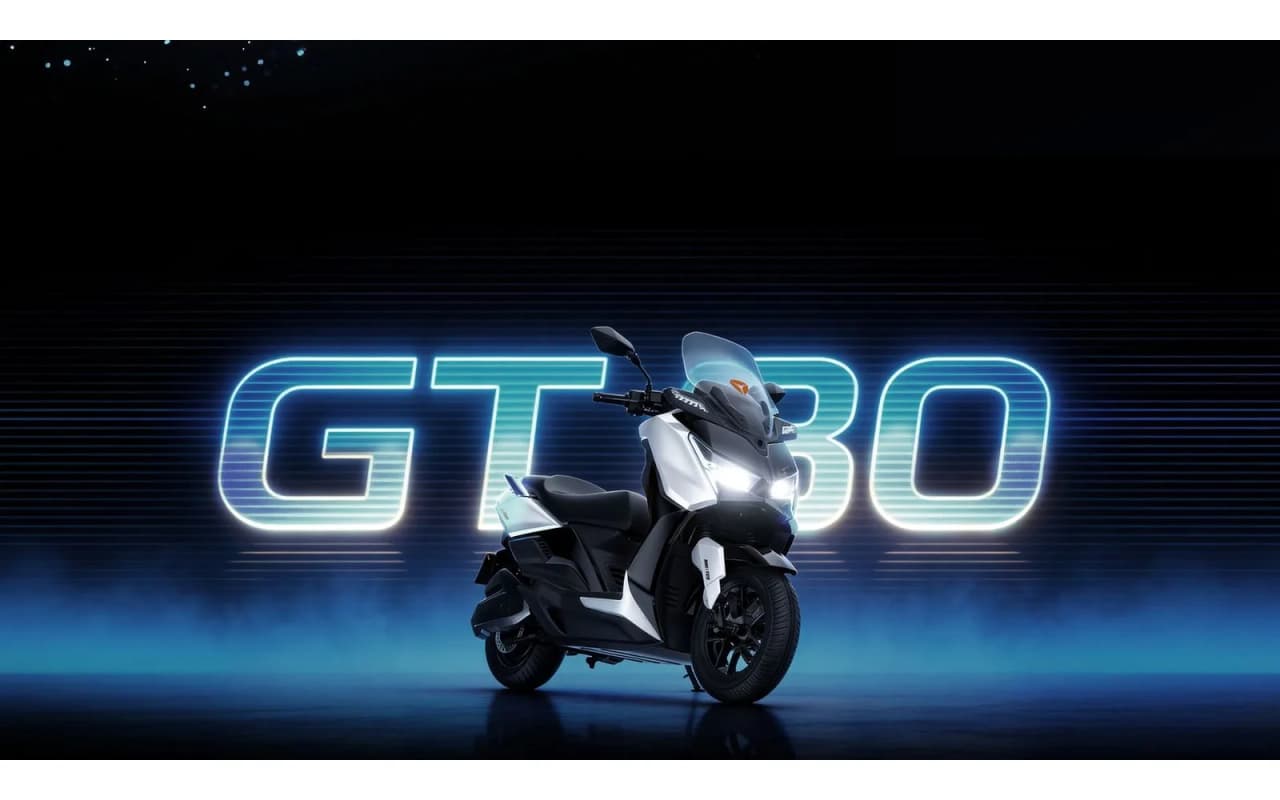
Compare Yadea GT 80 variants side by side
Frequently asked questions
What is the price of the Yadea GT80 electric scooter in Nepal?
The official ex-showroom price of the Yadea GT80 electric scooter in Nepal is Rs 3.35 lakh.
What is the price and key features of the Yadea GT80 electric scooter in Nepal?
The Yadea GT80 is priced at Rs 3.35 lakh in Nepal. It features a 3.6 kWh lithium battery with a claimed range of up to 150 km, a 5 kW peak hub motor, and a top speed of 80 km/h. The scooter includes a TFT display, smart connectivity, cruise control, hill hold, and dual disc brakes with traction control.
Our own record on this
Each is a dated change we applied to a published ex-showroom price after checking it. A logged change may be a distributor's revision or our own correction coming into line with the official figure — the log says which way each one moved, and when, not why.
See the full price-change log →Writes on vehicle pricing, taxation and the Nepali auto market from ongoing tracking of distributor price lists. Editorial policy.