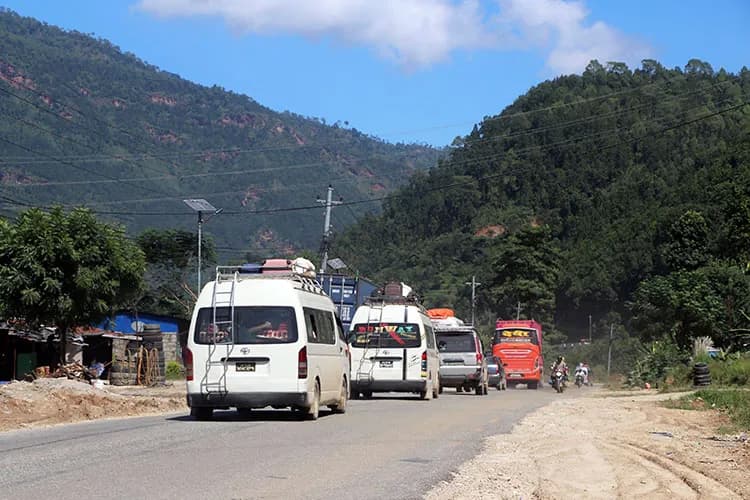
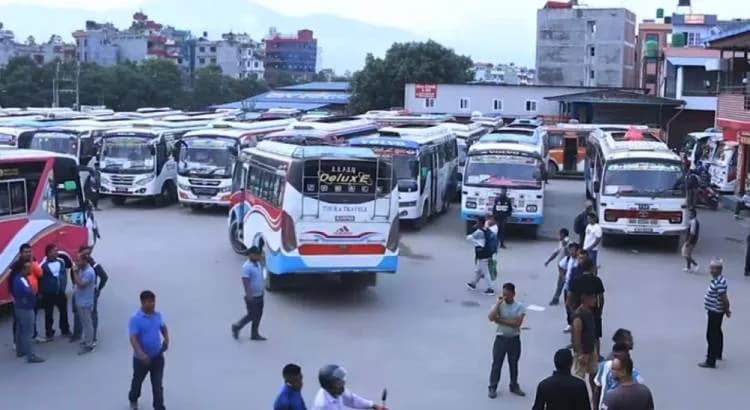
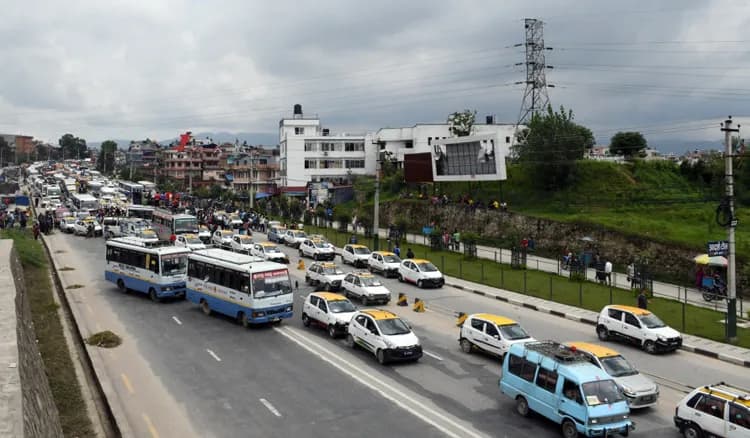
Nepal’s transport policy is entering a new phase because the current framework no longer matches how people actually move around the country. Over the last twenty years, roads have reached more corners of the map, vehicle ownership has jumped, and electric mobility has become a visible part of the market.
Why the old model is under pressure
The issue is *how* that growth has taken place. Nepal’s mobility mix is now heavily tilted toward private two-wheelers, while public transport has failed to keep up with demand. At the same time, road safety is a serious worry, and freight movement across the country remains costly and inefficient.
These weaknesses hit ordinary buyers directly. For many families, a motorcycle or scooter is still the quickest way to secure daily mobility. That choice feeds congestion, fuel demand, and safety risks. For car buyers, weak road connections and limited multimodal options can stretch travel time and drive up operating costs, especially once you leave the major cities.
What the new policy is trying to address
The National Transport Policy 2083 is set to replace the older framework from 2058 BS. It aims to support a transport system that is safer, better connected, and less dependent on private vehicles.
For vehicle buyers, this policy direction matters in a few practical ways:
- Better public transport could ease pressure on private vehicle ownership.
- Improved road planning may support safer and more reliable travel.
- Stronger logistics systems can help bring down the cost of moving goods.
- More support for electric mobility could keep Nepal’s shift toward cleaner transport on track.
What buyers should watch
For anyone planning a vehicle buy in Nepal, the key issue is not only the sticker price. Future policy changes may shape charging infrastructure, city transport planning, import priorities, and the cost of running a vehicle over time.
Nepal’s transport sector is growing fast. The next phase needs balance, safety, and better connectivity, with clear answers on how many vehicles the roads can realistically carry and how people and goods will move more efficiently.
Writes on vehicle pricing, taxation and the Nepali auto market from ongoing tracking of distributor price lists. Editorial policy.