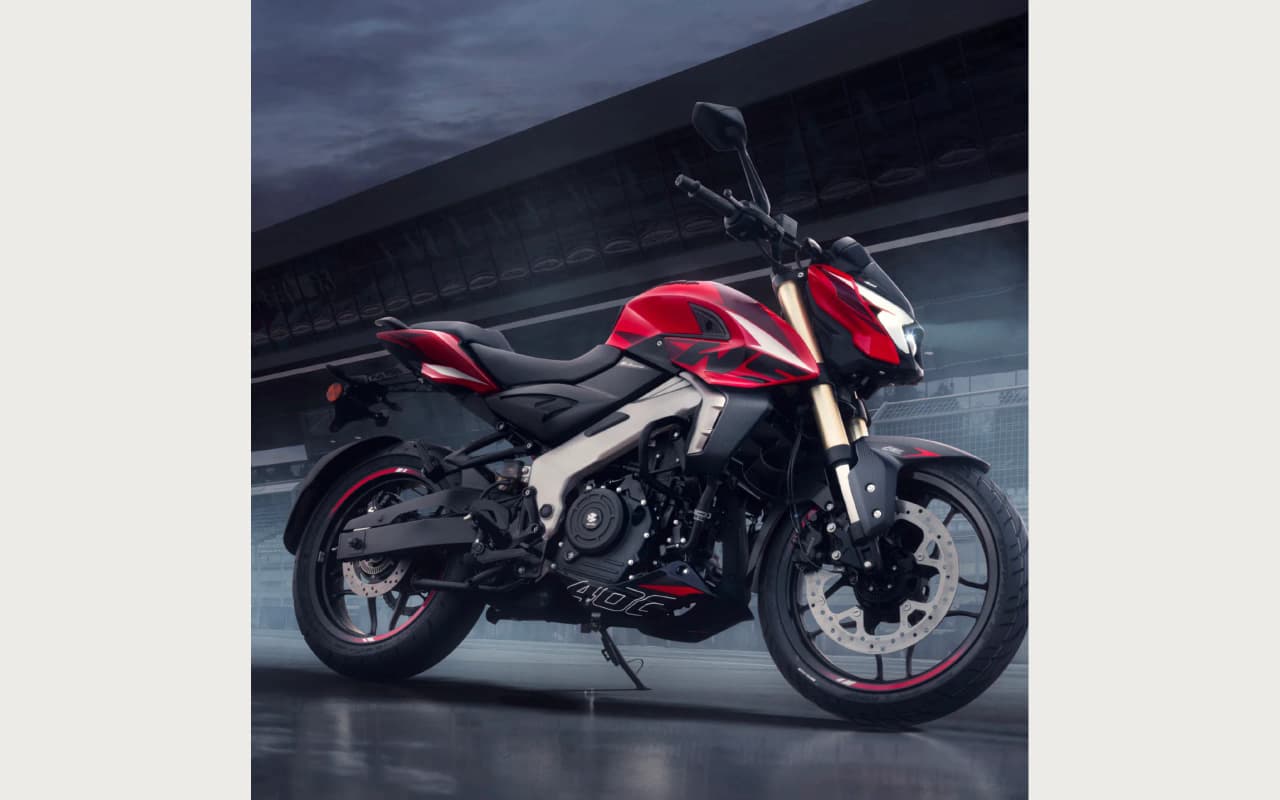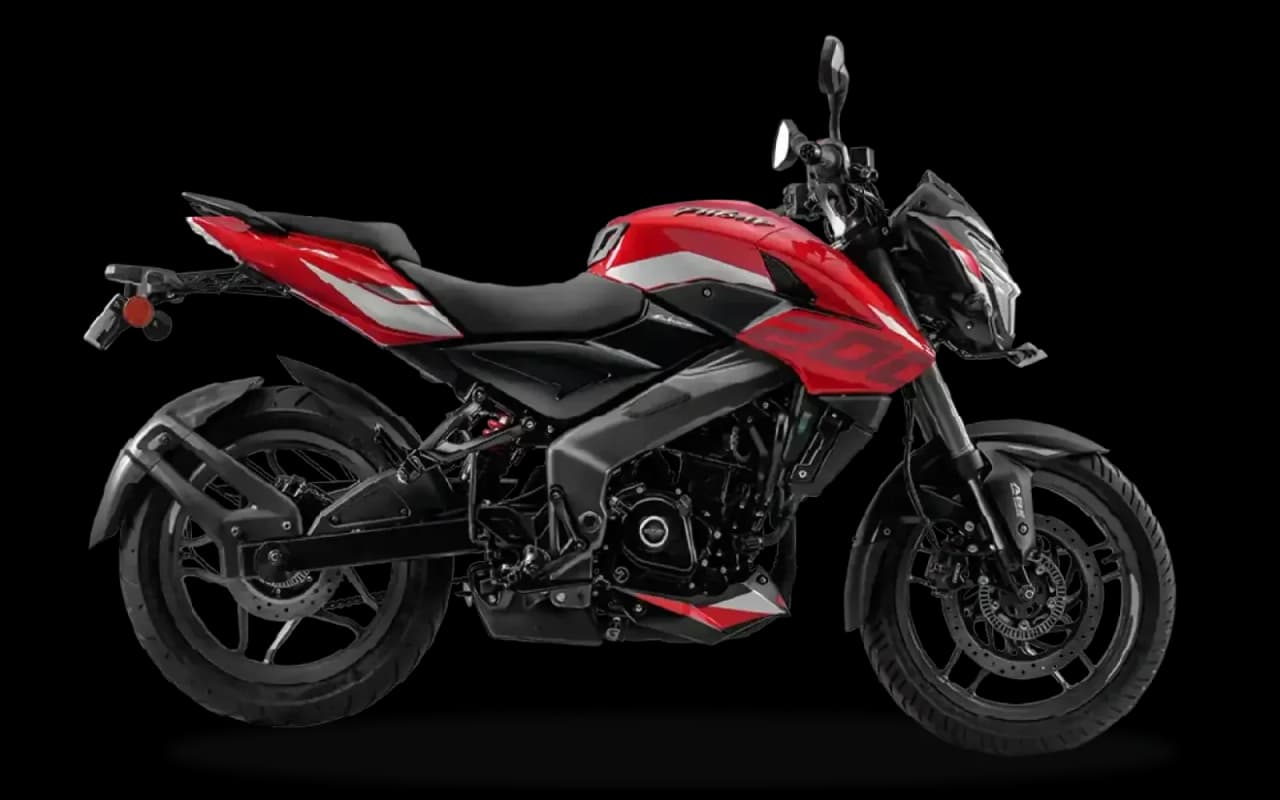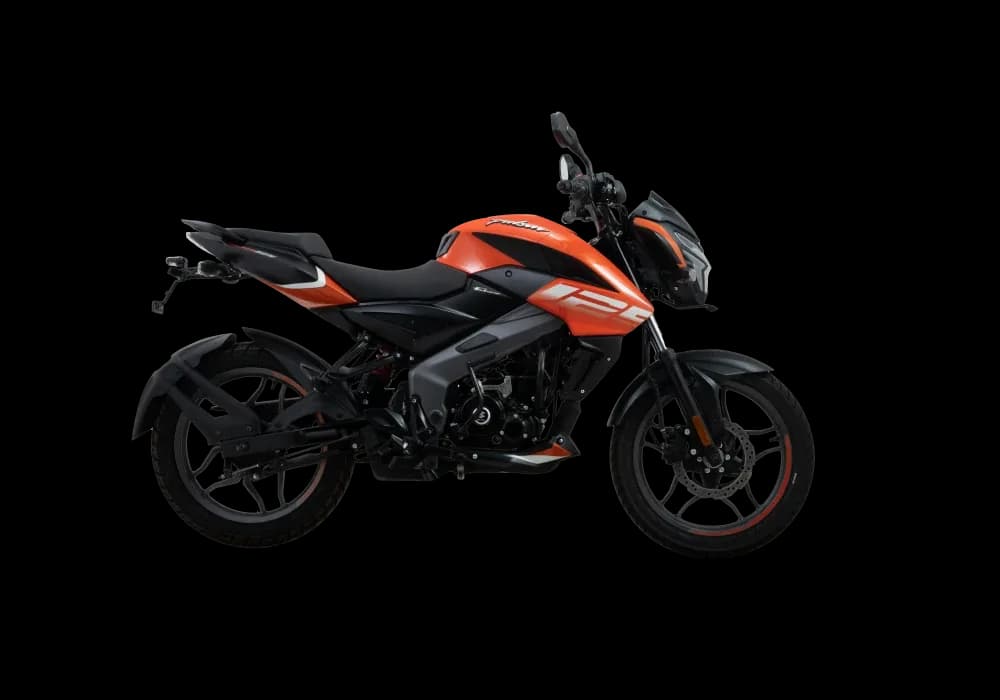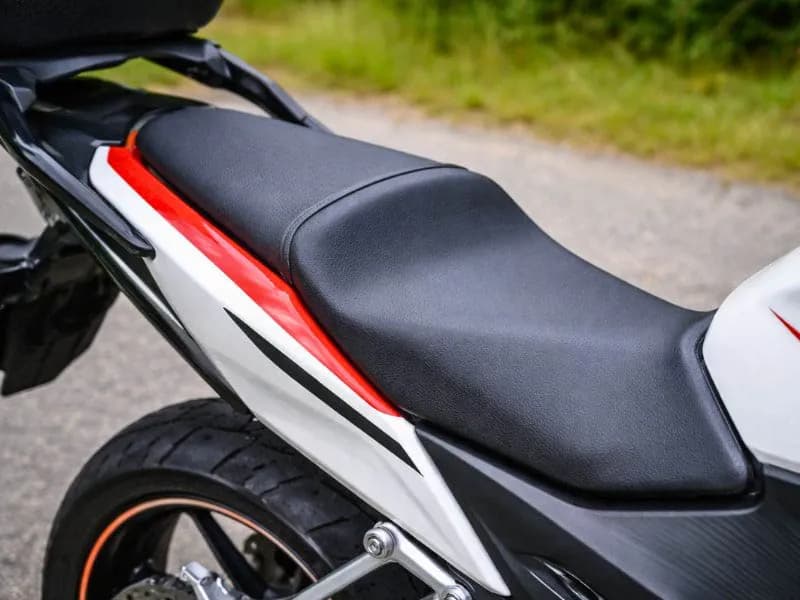
Many motorcycles feature a rear seat that sits higher than the front. This design choice serves several functional purposes for both the rider and the passenger.
Primary reasons for this configuration include rider ergonomics and passenger comfort. The rider must reach the handlebars and operate foot controls, which dictates a specific seating position. Passengers have different requirements, so manufacturers often adjust the height and shape of the rear section to accommodate them. A raised rear seat can also improve the passenger's forward visibility.
Designers also use varying seat heights to create a balanced and attractive aesthetic for the motorcycle. However, a higher rear seat does not automatically guarantee better balance or comfort. Overall stability depends on factors like total weight, weight distribution, the center of gravity, wheelbase, and suspension settings. Similarly, passenger comfort relies more on seat shape, foam quality, and footpeg placement than on height alone. While a raised seat may influence wind exposure, the motorcycle's bodywork and the rider's height are more significant factors in managing airflow.
Writes on vehicle pricing, taxation and the Nepali auto market from ongoing tracking of distributor price lists. Editorial policy.