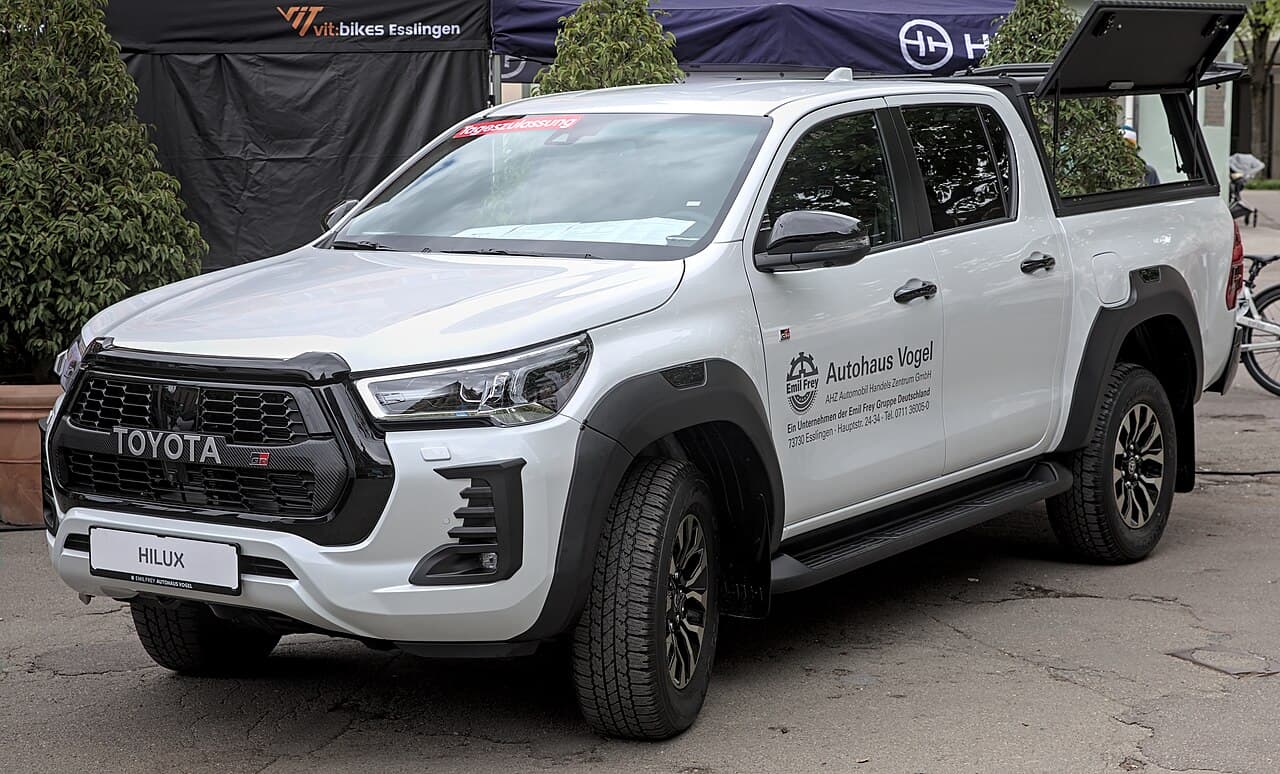
Toyota has launched the ninth-generation Hilux in India, marking a significant update for this popular lifestyle pickup. The new model, debuting on 28 July, is set to impact the Nepalese market, where the Hilux is a favored choice, with most units imported from India. Meanwhile, the Isuzu D-Max V-Cross also received a comprehensive update in February 2026, making it a key competitor.
Key changes in the new Hilux
The 2026 Hilux retains the robust IMV ladder-frame platform but introduces a refreshed exterior and cabin. The starting price in India is Rs 31.99 lakh (ex-showroom), with three variants available: GX 4x2 AT, GX 4x4 AT, and VX 4x4 AT, priced up to Rs 36.69 lakh. This new pricing makes it up to Rs 3.47 lakh more expensive than the previous model. Notably, this is the first time Toyota is offering a 4x2 setup on the Hilux in India; the previous model came with 4x4 as standard. Customers can choose from six mono-tone exterior colours: Sulphur Metallic, Platinum Pearl White Metallic, Attitude Black, Ash, Emotional Red, and Super White. Attitude Black and Sulphur Metallic are exclusive to the VX trim.
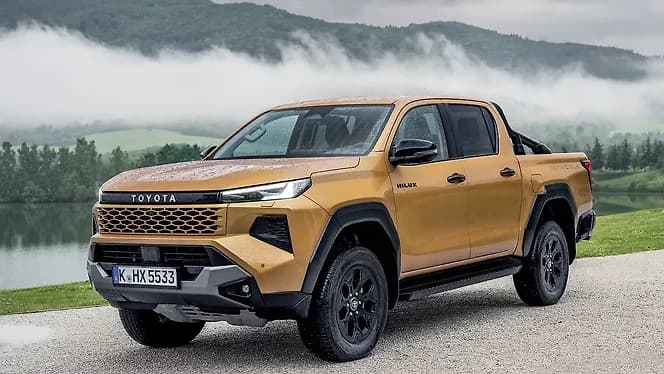
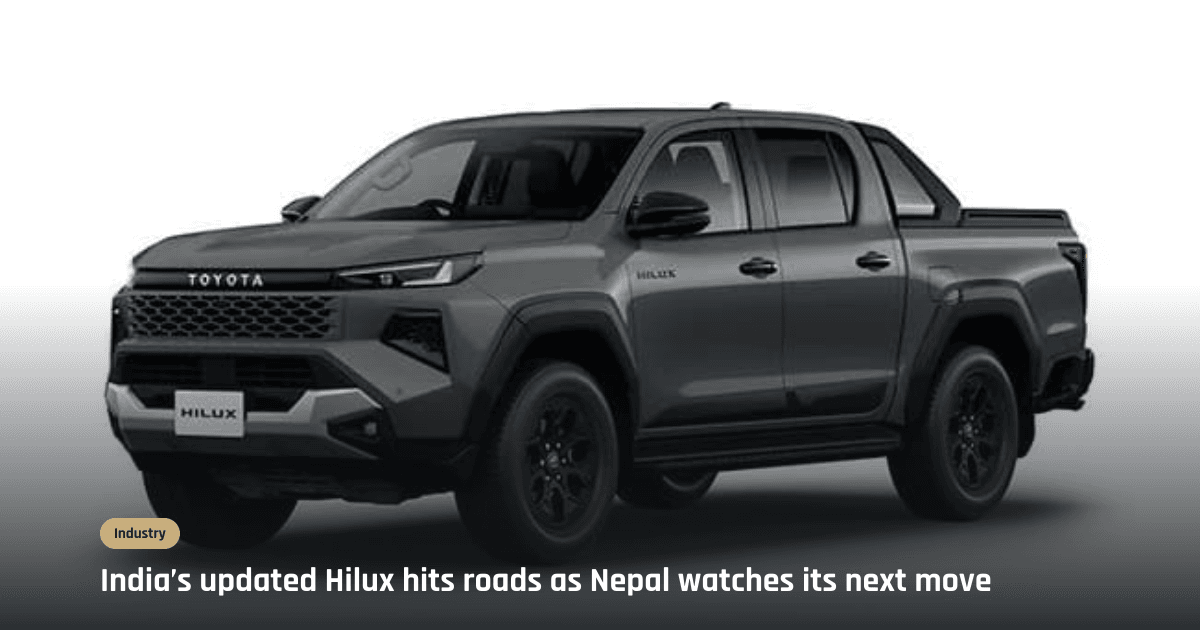
- Design: The Hilux adopts a more upright front-end design with slim LED headlamps, LED daytime running lamps, and a honeycomb-pattern grille featuring prominent TOYOTA lettering. The lower section is aggressive, with strong creases, wide air intakes, a silver skid plate, and two LED fog lamps. The profile includes black wheel-arch cladding, roll bars, 17-inch alloy wheels, and a footboard for easier access. At the rear, vertically stacked C-shaped LED tail-lamps and a redesigned bumper enhance its rugged look. The new model measures 5,320mm in length, 1,855mm in width, and 1,815mm in height.
- Interior: Inside, the Hilux offers a tech-rich environment with dual 12.3-inch screens comprising a touchscreen infotainment system and a fully digital instrument cluster. However, the top VX trim gets a 12.3-inch screen, while the lower GX trim features an 8.0-inch screen. The digital cluster is a 7.0-inch TFT unit on both trims. The dashboard is redesigned, and features include dual-zone climate control, ventilated front seats, wireless phone charging, and a 360-degree camera. Advanced driver assistance systems (ADAS) such as lane-keeping and autonomous emergency braking are anticipated. Other features include Multi-Terrain Select, downhill assist control, TPMS, i-Connect connected features, and 7 SRS airbags. The cabin is finished in an all-black theme with some soft-touch materials on the dashboard and door pads, enhancing the premium feel. Physical controls are prevalent, aiding usability, though the manual AC controls are considered less appealing at this price point.
Under the hood, both trims of the Hilux feature a 2.8-liter four-cylinder turbo-diesel engine, delivering around 204 PS and up to 500 Nm, paired with a 6-speed torque-converter automatic gearbox now standard across the range. A 48V mild-hybrid assist may be introduced, similar to the Fortuner setup, enhancing efficiency. The platform has been beefed up with increased rigidity through thicker frame side rails and additional spot welds, reducing vibrations and enhancing durability.
Toyota Hilux vs Isuzu D-Max V-Cross
In comparison, the Isuzu D-Max V-Cross features a 1.9-litre turbo-diesel engine. While the Hilux churns out 41hp and 140Nm more power and torque, it also boasts a 25-litre larger fuel tank. Both pickups feature a 6-speed automatic transmission and a 4WD layout, with the Hilux offering additional drive and terrain modes. The Hilux's exterior gains all-LED light setups, while the V-Cross uses projector LED headlamps and halogen fog lamps. The Hilux includes a larger infotainment screen, a digital driver’s display, and a wireless phone charger, but lacks the automatic climate control and powered driver’s seat found in the V-Cross.
Likely impact on Nepal
The Toyota Hilux is already on sale in Nepal, and updates in India directly influence the Nepali market.
- Specification trend: If India receives ADAS, twin screens, and the mild-hybrid diesel, these features become more feasible for future Nepali-spec Hilux imports, especially in higher variants.
- Pricing: Current Hilux prices in India start around Rs 31.99 lakh ex-showroom, with the new model expected to see a small increase. Converted to Nepali terms, this suggests a base Indian price band of about Rs 31–38 lakh before duties. With Nepal’s higher customs and taxes on pickups, retail prices here are expected to remain above Rs 80 lakh and could rise further once the facelifted model arrives.
- Positioning vs rivals: In Nepal, the Hilux competes with the Isuzu D-Max/V-Cross and other double-cab pickups. A more premium, tech-heavy Hilux with ADAS could enhance Toyota’s appeal among fleet operators, construction firms, and private buyers seeking a lifestyle 4x4 with modern safety features.
When could Nepal see the new Hilux?
Toyota has confirmed the India launch date, but there is no official timeline for Nepal yet. Typically, new India-spec Toyota models reach Nepali showrooms after homologation and supply stabilize across the border. Nepali buyers can realistically expect the updated Hilux to arrive some months after the India launch, depending on local demand and pricing decisions by the distributor.
For now, prospective Hilux buyers in Nepal should consider that a more advanced, safer, and potentially more efficient version is imminent in India and factor that into their purchase timing.
Current prices on Nepal AutoMart
- Toyota Hilux price in Nepal: Rs 33.99 lakh – Rs 1.37 crore ex-showroom, 9 variants
Writes on vehicle pricing, taxation and the Nepali auto market from ongoing tracking of distributor price lists. Editorial policy.