Nepal has endorsed a new National Transport Policy 2083, replacing the transport framework that had guided the sector for around 25 years. This policy marks a significant shift towards modernizing the country's transport system with a strong emphasis on electric vehicles (EVs) and safety.
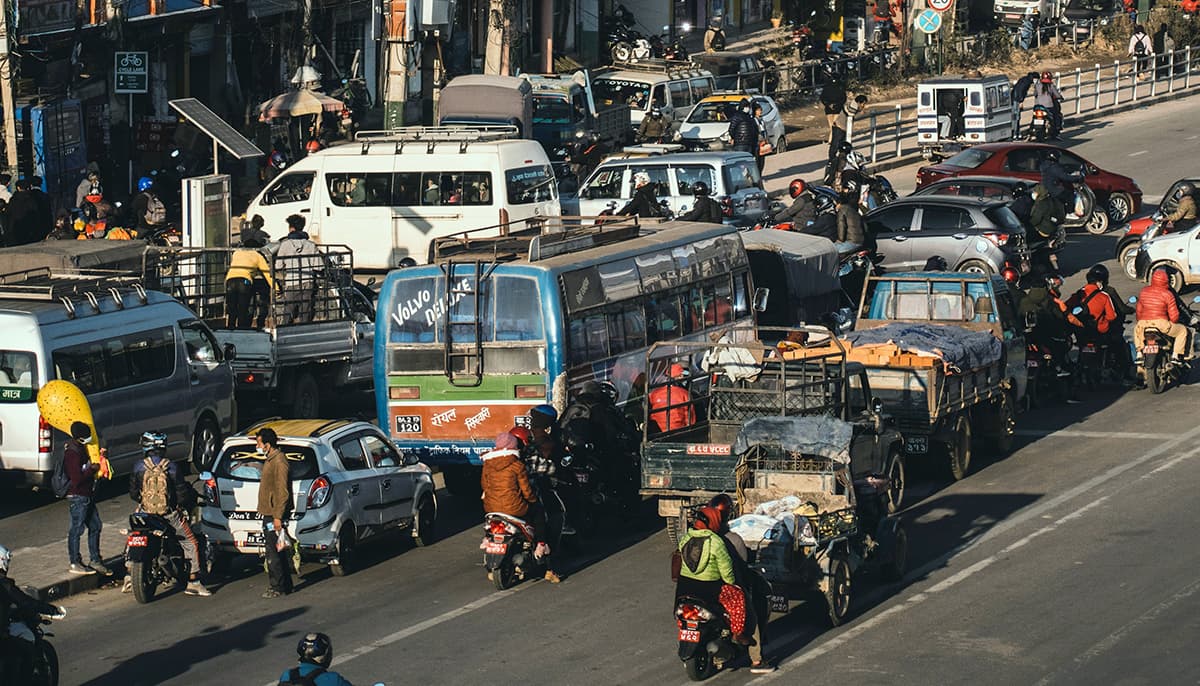
According to the government announcement, the policy was approved by the Council of Ministers and prepared by the Ministry of Physical Infrastructure and Transport. It comes at a time when electric vehicles are gaining ground, urban roads are increasingly congested, and road crashes remain a major public concern.
What changes for everyday transport users?
The new policy is designed to make Nepal’s transport system safer, cleaner, and more efficient. For regular vehicle buyers and commuters, the main focus areas are:
- Electric mobility
- Better public transport services
- Road safety and emergency response
- Digital systems and smart mobility
- Integration of different transport modes
Strong push for electric vehicles
The policy places electric vehicles (EVs) at the centre of future mobility planning. While detailed incentives will be spelled out in separate regulations, the government has signalled that:
- EVs will be given priority in future transport planning and infrastructure.
- Charging networks and related services will be expanded.
- Public and private fleets are expected to gradually shift towards low-emission or zero-emission vehicles.
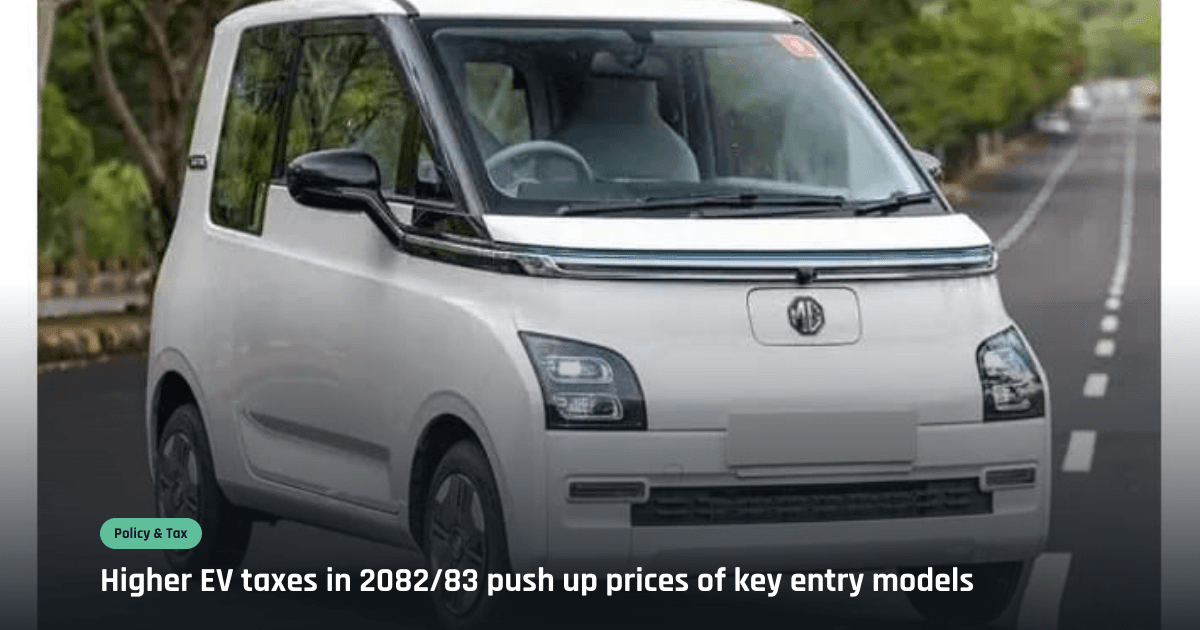
This policy direction supports the ongoing EV rollout by brands like Tata, BYD, Hyundai, and others, which have already introduced electric cars and SUVs in the Rs 30–50 lakh price band according to market data. For buyers, that means long-term government backing for EV infrastructure and usage.
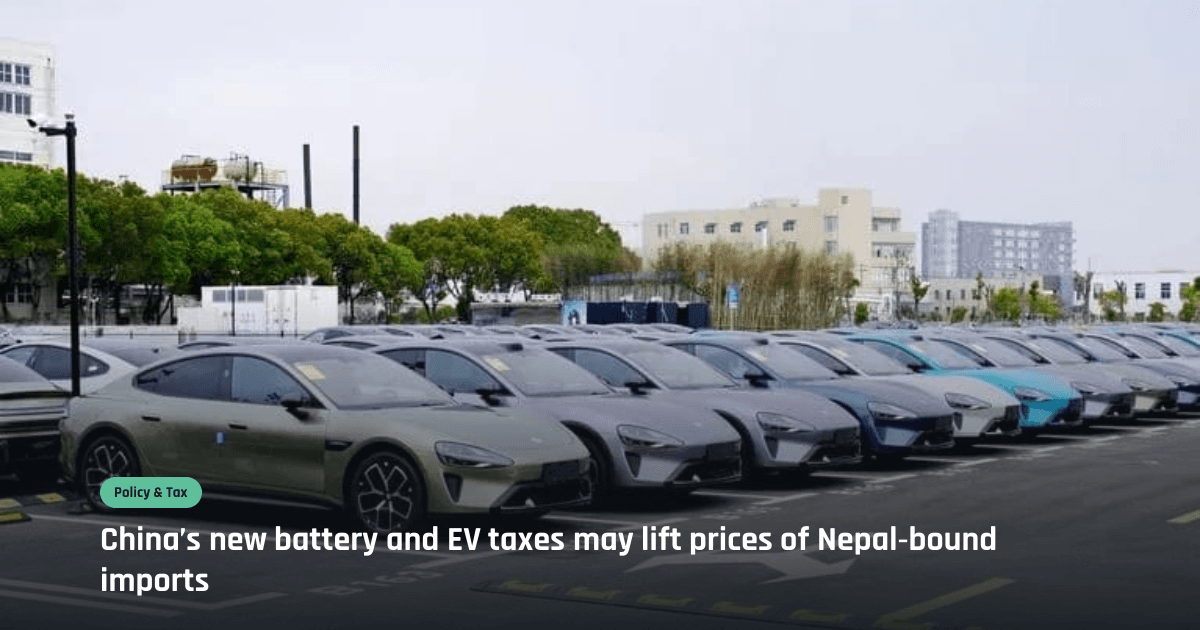
The policy document reveals that over 70% of new private car imports in Nepal are electric, placing the country second globally in EV market share, just behind Norway. As of fiscal year 2082/83, 63,280 electric vehicles have been registered nationwide.
Focus on safer roads

Road safety is identified as one of Nepal’s biggest transport challenges. The new policy aims to:
- Reduce road deaths and injuries through stricter safety standards.
- Improve emergency response and post-crash care, including during the "golden hour".
- Encourage safer vehicle design and better driver behaviour.
For vehicle owners, this could translate into tighter inspection rules, mandatory safety features in new imports, and more enforcement of speed, seat belt, and helmet laws.
Smarter, more connected mobility
The policy also talks about digital and smart mobility. In practice, this is expected to include:
- Wider use of online systems for licensing, vehicle registration, and permits.
- Intelligent transport tools for managing congestion and traffic flows in cities.
- Better integration of buses, microbuses, paratransit, and future mass transit so passengers can switch modes more easily.
Additional Initiatives
The government has proposed a national vehicle scrappage policy, battery management and recycling guidelines, charging stations, and battery-swapping hubs along major highways. Other initiatives include dedicated lanes for mass transit systems such as MRT, BRT, and trams in major cities, smart ticketing, AI-based traffic management, and the digitalisation of driving licences, vehicle registration, and route permits.
What it means for vehicle buyers
For Nepali buyers planning a vehicle purchase in the coming years, the key takeaways are:
- EVs will receive stronger policy support, making them a more future-proof choice, especially in cities.
- Safety and compliance requirements for vehicles are likely to become stricter, favouring models with modern safety features.
- Digital services should gradually reduce paperwork and make owning and using a vehicle simpler.
Overall, the National Transport Policy 2083 sets a direction towards an EV-friendly, safety-focused, and digitally managed transport system. Specific changes for taxes, standards, and incentives will depend on the laws and regulations that follow, but buyers can expect the environment to become more supportive of electric and safer vehicles over time.
Writes on vehicle pricing, taxation and the Nepali auto market from ongoing tracking of distributor price lists. Editorial policy.