High-tech headlights, high repair bills
For Nepali vehicle owners, a small knock in a parking lot is no longer a small bill. As carmakers switch to complex LED and laser headlights, global data shows that repair costs for a single unit now often cross Rs 2 lakh, turning minor cosmetic damage into a major expense.
According to figures shared by German insurer Allianz, the average cost to replace one modern headlight has jumped from about Rs 87 lakh in 2015 to roughly Rs 1.5 crore in 2025 in the German market, once converted from dollar values mentioned in the study. These are European numbers, but they point to a steep global trend that eventually shapes spare-part pricing in countries like Nepal.
Why new headlights cost so much
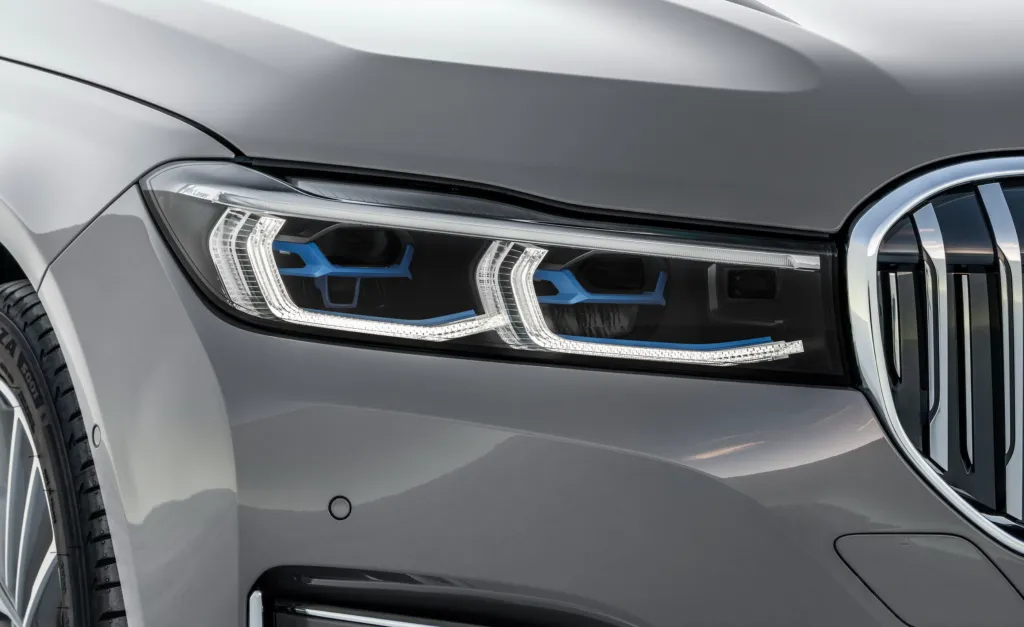
Today’s headlights are no longer just bulbs and reflectors. A single unit can bundle:
- Matrix LED or laser modules
- Adaptive lighting systems that change beam shape and height
- Cameras and sensors for driver-assistance features
- Electronic control units managing all of this
Because all these parts sit in one assembly, a minor crack in the lens can force replacement of the entire headlight, not just the damaged piece. Allianz notes that many manufacturers do not approve replacement of individual components like lenses, housings or control modules. That pushes up repair and insurance costs.
For Nepali buyers, this means that imported models with such lighting packages could carry very expensive headlamp assemblies, especially on premium SUVs and sedans. In some high-end vehicles, Allianz reports single headlight units costing well above Rs 8 crore in their home market. Local prices, even after market adjustments, can still be extremely high.
Push for more repair-friendly designs
Insurers are urging carmakers and regulators to redesign headlights so that individual parts can be replaced separately. According to Allianz, this would:
- Cut repair bills and insurance claims
- Reduce electronic waste, as fewer complete assemblies are scrapped
- Help keep ownership costs manageable over the vehicle’s life
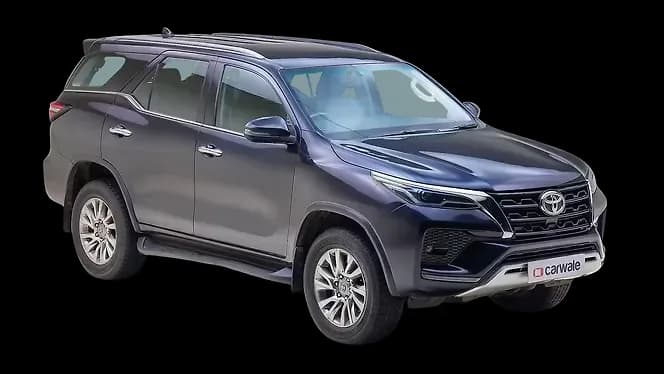
Some brands have already started changing their approach. Toyota is cited as allowing separate replacement of the lens, housing, electronics and mounting brackets on certain models, rather than insisting on a full unit swap. Other manufacturers, such as Mercedes-Benz, have announced plans to use screws instead of adhesives in future headlight designs, making disassembly and repair easier.
What this means for Nepali buyers
For customers in Nepal, the trend has two clear implications:
- When choosing a new car, it is increasingly important to ask dealers about headlight design and spare-part pricing, especially on variants with advanced LED or laser lights.
- Over the long term, brands that offer modular, repairable headlights could help owners save lakhs of rupees in repair costs and keep insurance premiums under control.
As vehicle lighting becomes more sophisticated, repairability is emerging as a key factor in total cost of ownership. Buyers who look beyond features and safety, and also check how easily those features can be repaired, may be better protected from unexpected bills after minor accidents.
Writes on vehicle pricing, taxation and the Nepali auto market from ongoing tracking of distributor price lists. Editorial policy.