Where This Bike Sits In Nepal's Crowded 160cc Shelf
The 160cc naked motorcycle segment in Nepal is packed with options, but very few of them come with the kind of hardware Hero has put on the Xtreme 160R. Priced between Rs 3.99 lakh for the standard ABS variant and Rs 4.28 lakh for the Dual ABS-badged top trim, brought in by authorised distributor CG Motors Pvt. Ltd. since its 2020 launch, the bike sits comfortably in the middle of the segment on price while punching well above it on componentry. This isn't a bike that competes on badge value or brand nostalgia — it competes on what's actually bolted to the frame, and that's exactly where it wins.
For Nepali buyers used to choosing a 160cc commuter-sports bike mostly on styling and fuel economy, the Xtreme 160R forces a rethink. It brings genuine performance-bike hardware — inverted forks, a redesigned engine, full LED lighting — into a price bracket where such things are usually absent. That alone makes it worth a serious look before signing a booking form for anything else in this class.
A Sharp, Aggressive Silhouette With One Small Weak Point
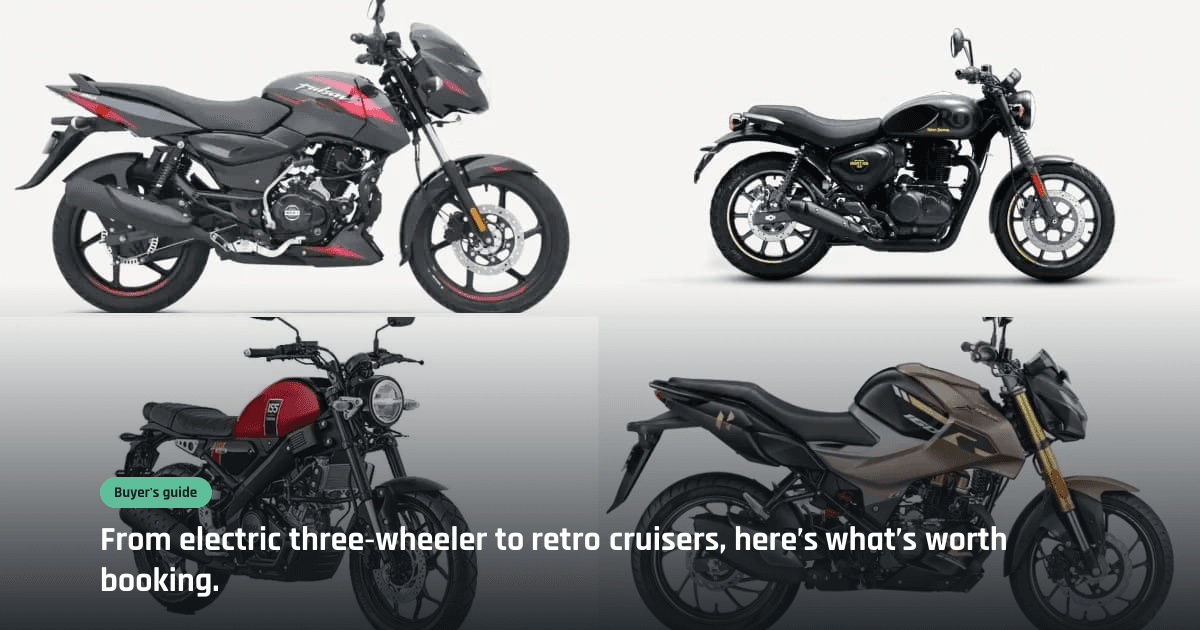
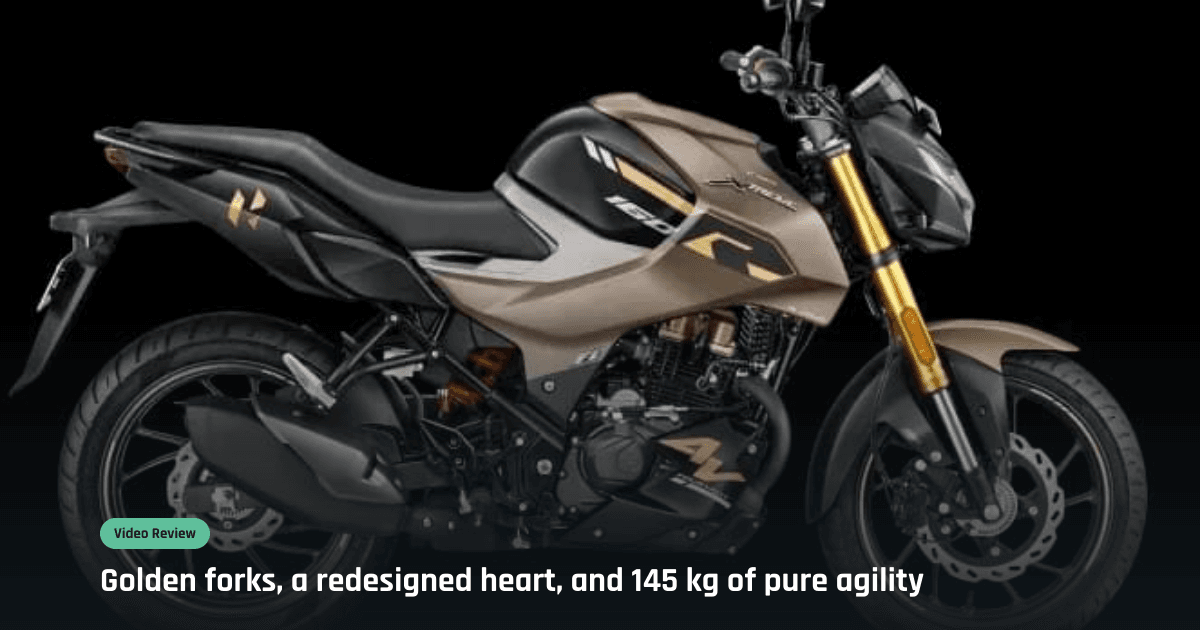
Hero has given the Xtreme 160R a design language that reads as sporty and purposeful rather than generic. The overall stance is aggressive, with a strong road presence that doesn't need loud graphics to make its point. The fuel tank carries a muscular, deep-shouldered shape that looks genuinely imposing once a rider is seated on it, and the tank shrouds flow well into the rest of the bodywork. The only design element that doesn't quite land is the headlight — viewed dead-on from the front, it looks a touch smaller than the rest of the body would suggest, though this isn't an issue from any other angle and the proportions elsewhere are well judged.
Lower down, the engine cowl finished with '4V' branding gives the underside of the bike a clean, sporty finish that ties the whole design together and signals the new four-valve engine underneath. But the standout visual element, without question, is the front end: the golden-finished KYB USD forks immediately lift the bike's presence and make it look like it belongs a segment above its price tag. This is the single detail that most Nepali buyers walking into a CG Motors showroom will notice first, and it does a lot of visual heavy lifting.
Two Colour Choices, Two Very Different Personalities
Our test observations centre on the Black and Red colour scheme, which leans stealthy and understated — a good choice for buyers who want the aggressive design without shouting about it. Nepal also gets a Black and Neon Green option, and it's the one we'd point more visually inclined buyers toward: it pops considerably more on the road and shows off the bike's sharp panel lines more effectively than the darker scheme. Neither colourway changes any of the underlying hardware, so the choice really comes down to personal taste and how visible you want to be in traffic.
Digital Console, Upgraded Switchgear And Full LED Lighting
Equipment on the Xtreme 160R punches above its price class in a few specific ways. The fully digital instrument cluster is clear and easy to read at a glance, which matters more than it sounds on a bike that's meant to be ridden hard. Hero has also moved to a second-generation switchgear design here, and the difference in tactile feel over older Hero models is noticeable the moment you thumb the switches — it feels properly premium rather than like a cost-cutting exercise.
Lighting across the board is full LED — headlight, taillight and turn indicators all use LED units, which is still not universal at this price point in Nepal. Mirror placement is good too, giving genuinely usable rearward visibility rather than the token mirror positioning some rivals settle for. It's worth noting the digital display is listed as an accessory rather than a standard fit on all variants, so buyers should confirm what's included at the point of booking.
The Redesigned 163cc Engine Is The Real Story Here
The headline change on this bike isn't cosmetic — it's mechanical. The 163.2cc engine is a genuinely new unit, not a warmed-over version of the old Xtreme's motor. Hero has redesigned the crankshaft and clutch assembly rather than simply reworking the cylinder head, and that shows in how the engine actually behaves on the road. With a bore and stroke of 66.5mm x 47.0mm and a 10.1:1 compression ratio, it's a conventional oil-and-air-cooled, 4-valve SOHC unit on paper, but the output — 16.9 PS at 8,500 rpm and 14.6 Nm at 6,500 rpm — is put down through a 5-speed constant mesh gearbox with a multiplate wet clutch in a way that feels notably linear.
Power delivery builds smoothly through the rev range rather than arriving in a sudden hit, with a particularly strong pull through the mid-range that makes overtaking on the highway and pulling away from traffic lights in the city equally easy. The engine also revs out freely to around 9,500 rpm, giving it a sportier, more eager character than most 160cc commuters in Nepal, matching Hero's own "dragster" positioning for this bike. The exhaust note, when revved, has a genuinely sporty edge to it rather than the flat, muted drone typical of this class.
Where The Gold Forks Actually Pay Off
The 37mm KYB USD front forks aren't just a styling exercise — they're the single biggest reason this bike rides the way it does. Stability under braking, through corners, and over rough surfaces is a clear step above what conventional telescopic forks deliver at this price, and it's the kind of confidence that becomes obvious the moment the road surface turns bad. Paired with the 7-step adjustable monoshock at the rear, the suspension setup absorbs bumps with a plushness that doesn't come at the cost of handling precision — a combination that's genuinely hard to find in this segment in Nepal.
At 145 kg kerb weight, the Xtreme 160R is also one of the lighter bikes in its class, and that weight advantage translates directly into how easy it is to flick through city traffic or manage on loose, uneven off-road trails. The one component that doesn't quite match the ambition of the rest of the chassis is the 130-section rear tyre — it grips adequately and helps fuel economy, but a wider 140-section tyre would add a bit more cornering confidence for riders pushing the bike harder.
A Seat Height That Works For Riders Down To 5'3"
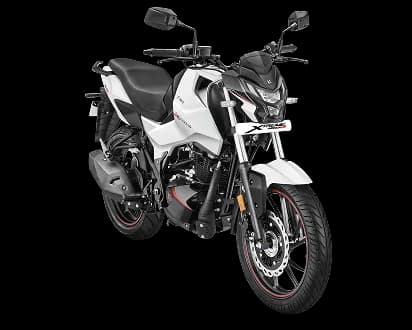
With a seat height of 795mm, the Xtreme 160R is genuinely accessible — a rider around 5'7" can plant both feet flat on the ground with ease, and even shorter riders down to about 5'3" can manage confidently. That's a meaningful point for a market where average rider height varies considerably and plenty of buyers get talked into bikes that are taller than they need.
The seat itself deserves specific praise: the foam is noticeably thick and well-judged, enough that riders don't feel themselves bottoming out on the hard base plate underneath during longer rides. Combined with an upright, comfortable riding position, this makes the bike equally suited to daily commuting and longer highway stretches. Pillion comfort benefits from the same generous cushioning, which is worth flagging for buyers who regularly ride two-up.
Single-Channel ABS Does The Job, But Not The Full Job
Braking hardware consists of a 276mm front disc and a 220mm rear disc, both using petal-style rotors, and both variants get ABS — but only single-channel, even on the pricier Dual ABS-branded variant at Rs 4.27,900. That naming is worth double-checking with CG Motors at the point of purchase, since "Dual ABS" branding alongside a single-channel spec sheet can cause confusion. In practice, the ABS calibration works competently and inspires confidence in typical riding, but it doesn't offer the additional safety margin of a true dual-channel system that some rivals are starting to bring to this price bracket.
Ground Clearance And Weight That Actually Suit Nepali Roads
Practicality on the Xtreme 160R centres on two figures: 165mm of ground clearance and that 145kg kerb weight. The clearance figure is genuinely useful on Nepali roads, where large speed bumps, broken tarmac and unexpected rocks are a daily reality rather than an occasional hazard — the underbelly stays well clear in situations where lower bikes would scrape. The light kerb weight, meanwhile, makes daily city commuting and tight parking far less of a chore than on heavier 160cc rivals.
The 12-litre fuel tank rounds out the practicality picture with a decent range for a bike of this size, particularly given the efficiency numbers below.
Fuel Economy That Keeps Running Costs Genuinely Low
Fuel efficiency on the highway has been recorded at over 45 kmpl, which is a strong number for a 163cc engine putting out nearly 17 PS. Combined with the 12-litre tank, that points to a low cost of ownership on fuel alone, and it's a meaningful factor for Nepali buyers who use these bikes for daily long-distance commuting as much as weekend riding.
Which Variant Actually Makes Sense To Buy
Hero offers the Xtreme 160R in Nepal in two variants: the ABS version at Rs 3,98,900 and the Dual ABS-branded version at Rs 4,27,900 — a gap of roughly Rs 29,000. Given that both trims use single-channel ABS in practice, the extra spend on the pricier variant needs to be weighed carefully against whatever additional equipment or finish it brings; buyers should ask CG Motors specifically what changes between the two before assuming the name implies a genuine braking upgrade. For most riders prioritising the core experience — the engine, the KYB forks, the seat comfort — the standard ABS variant already delivers the bike's key strengths.
The Yamaha FZS-FI Trades Some Chassis Ambition For Brand Trust
The Yamaha FZS-FI remains one of the most cross-shopped bikes against the Xtreme 160R in Nepal, largely on the strength of Yamaha's reputation for reliability and resale value. Where the Xtreme 160R pulls ahead is hardware: the KYB USD forks and the redesigned 163cc engine give it a chassis and performance edge that the FZS-FI's more conventional setup doesn't match. Buyers leaning toward the Yamaha FZS-FI are usually doing so for long-term ownership confidence rather than outright ride quality or cornering stability.
The TVS Apache RTR 160 4V Is The Closer Performance Match
The TVS Apache RTR 160 4V is arguably the more natural rival, given its own sporty positioning and 4-valve engine architecture. It has built a strong reputation in Nepal for sharp handling and a race-bred image, but the Xtreme 160R counters with genuinely superior front-end hardware in the form of its USD forks, plus a lighter kerb weight that makes it easier to manage for a broader range of rider heights. Anyone cross-shopping the TVS Apache RTR 160 4V should specifically ride both back to back over rough tarmac, since that's where the Xtreme 160R's suspension advantage becomes most obvious.
The Verdict: The Best Oil-Cooled 160cc Motorcycle In Nepal Right Now
Taken as a whole, the Hero Xtreme 160R earns its position as the best oil-cooled 160cc motorcycle currently available in Nepal. The combination of a genuinely redesigned engine, premium KYB USD suspension, class-leading light weight, and an unusually comfortable seat adds up to a package that feels considerably more expensive than its Rs 3.99–4.28 lakh price range suggests. The narrow handlebar, single-channel-only ABS and slightly bulky tail-light design are real, worth flagging, but none of them undermine the fundamental case for this bike.
It suits riders wanting a sporty, comfortable, lightweight 160cc motorcycle for a mix of daily commuting, highway trips and occasional rough-road or off-road riding — and it's particularly well suited to shorter riders who often get stuck choosing between taller, heavier options in this class. For buyers in Nepal weighing up the 160cc naked segment right now, this is the bike that sets the benchmark the rest are chasing.
Writes on vehicle pricing, taxation and the Nepali auto market from ongoing tracking of distributor price lists. Editorial policy.