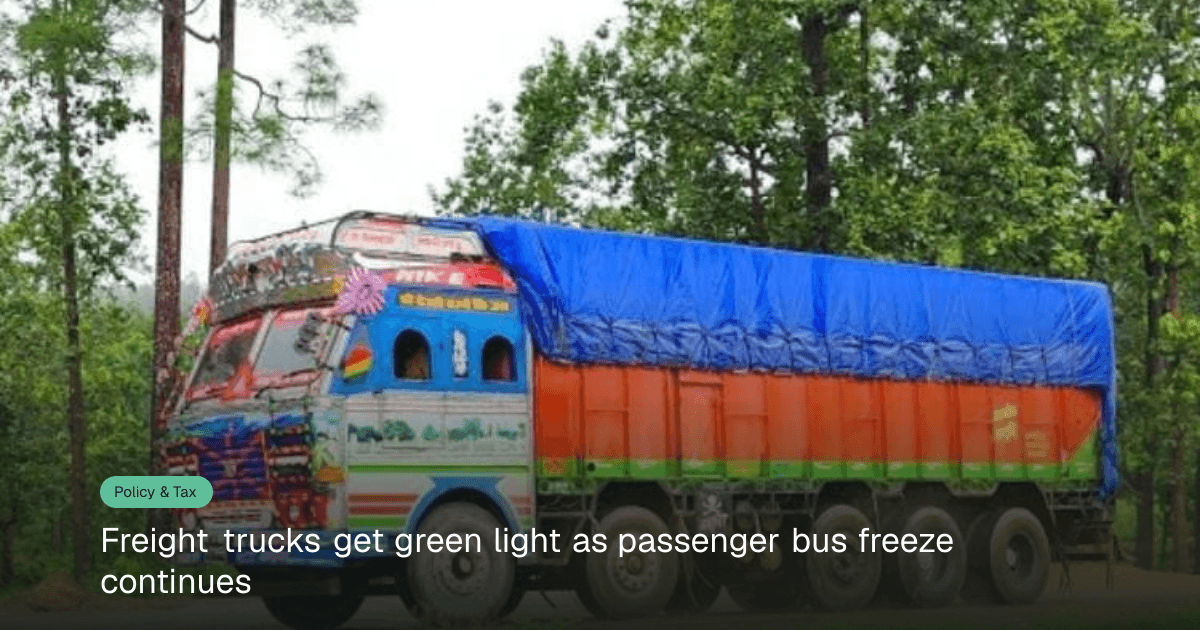
The Department of Transport Management (DoTM) has decided to restart registration for public goods vehicles across the country. The freeze on new public transport registrations remains in place for passenger vehicles.
What has changed now?
According to the latest circular sent to all seven provincial transport ministries, transport offices can immediately resume registering public goods vehicles such as freight trucks, pickups and cargo carriers.
- The earlier suspension on new registrations for all public transport vehicles remains.
- The new relief applies only to public goods vehicles and will continue until further notice.
That gives business owners who need goods vehicles for logistics, construction or trading a way to move ahead with registration and put those vehicles on the road.
Passenger public vehicle ban still in force
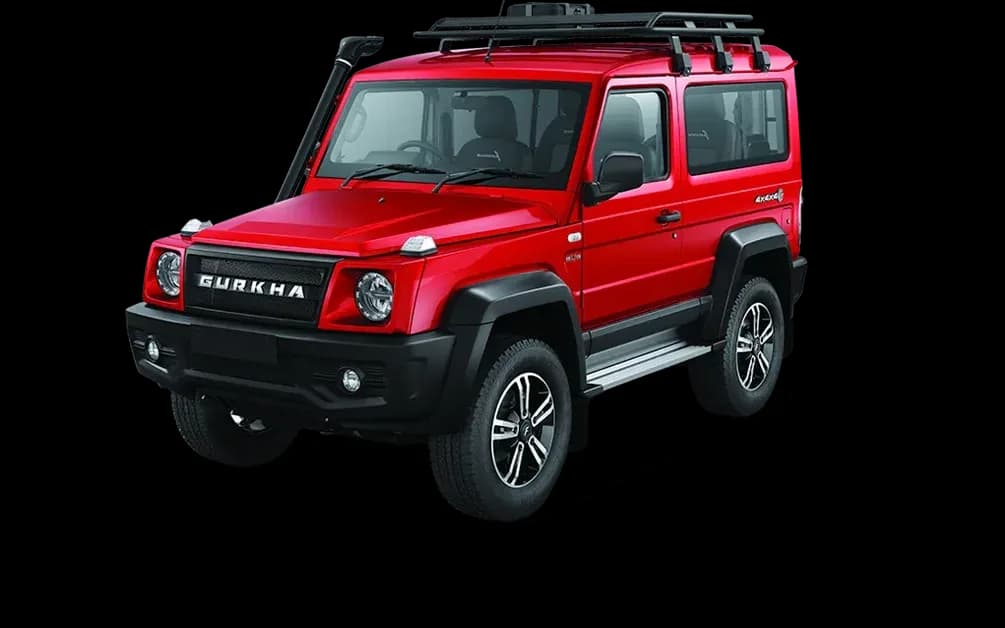
Goods vehicles have been given a green light, but the ban on new passenger public transport vehicles has not been lifted.
- New registrations for buses, microbuses and other passenger public transport vehicles are still suspended.
- The restriction covers both fuel-powered and electric public passenger vehicles as part of the wider public transport management move.
For operators planning to expand or replace passenger fleets, this decision still blocks new route entry through fresh registrations.
Background: Why the freeze was imposed
The DoTM had stopped registration of all categories of public vehicles from May 21, 2026, using legal powers under Section 24(3) of the Vehicle and Transport Management Act, 1993 (2049 BS).
The department said the freeze was needed for more "scientific" management of public transport. The reasons included:
- Rising air pollution in major cities
- Increasing traffic congestion
- Growing pressure on road infrastructure
Under Section 24(3), the DoTM can suspend registrations in the public interest when there are concerns about environmental pollution, traffic load, road conditions or difficulties in vehicle movement.
Previous partial reopening for imported vehicles
Before this latest move, the DoTM had already allowed registration in limited cases. Transport offices were permitted to register public vehicles that had:
- Opened letters of credit (LCs) before the suspension date
- Completed the import process and arrived in Nepal by late May 2026
Those vehicles could be registered after document verification, even while the general ban stayed in place.
Provinces vs federal centre: Bagmati’s separate path
The decision also comes amid tensions between the federal department and provinces over who controls public transport.
- Bagmati Province had already resumed public vehicle registration from the third week of Jestha, citing its constitutional authority over provincial public transport.
- Other provinces have largely followed the DoTM’s earlier directive and kept registrations frozen.
Nepal’s Constitution gives provinces the power to regulate public transport, including registration and taxation. In practice, the DoTM continues to set national transport registration policy and coordinates with provincial and local offices.
What this means for vehicle buyers and importers
For Nepali vehicle buyers and importers, the key points are simple:
- New public goods vehicles can be registered again nationwide, so plans to add cargo trucks or pickups can move ahead.
- New passenger public transport vehicles still cannot be registered, so expansion of bus or microbus fleets remains on hold.
- Businesses should check with their provincial transport office for any local implementation details, especially in Bagmati, which has been following a different approach.
Until the government finalises a new public transport management framework, more changes can still come. For now, goods vehicle registration is open, passenger public transport registration is not.
Writes on vehicle pricing, taxation and the Nepali auto market from ongoing tracking of distributor price lists. Editorial policy.