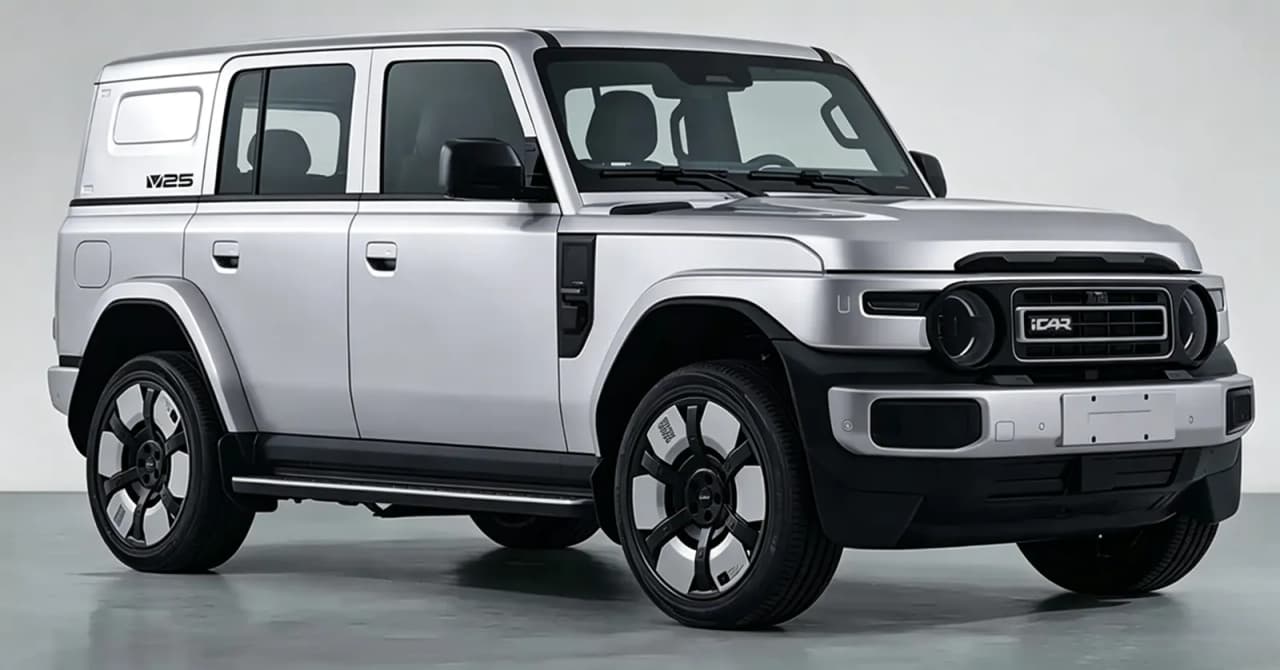
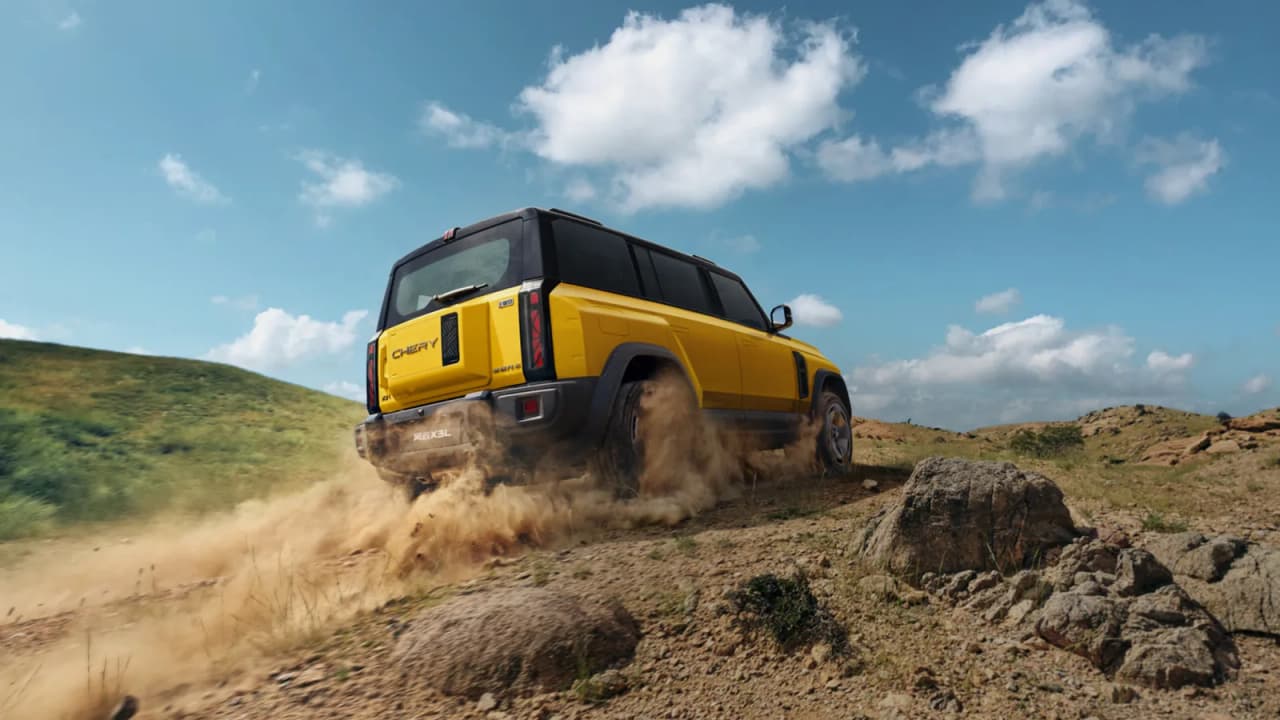
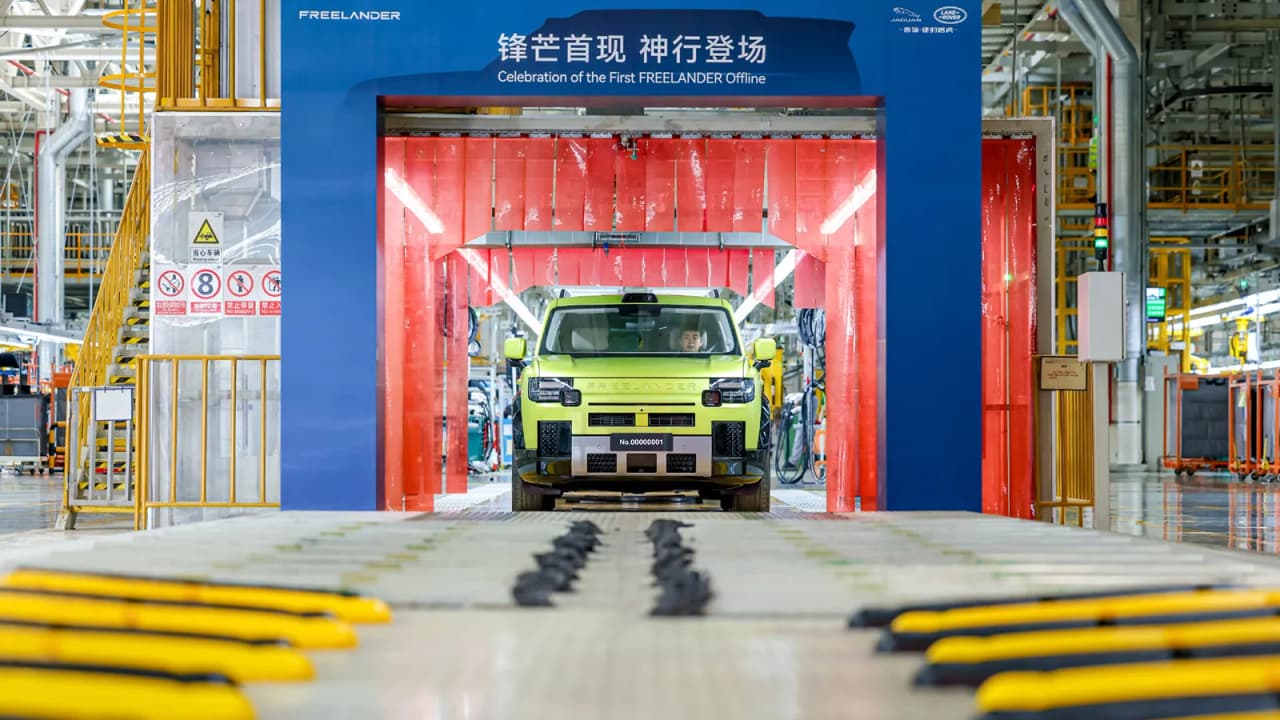
Chinese manufacturer Chery Group has set a new benchmark in the global auto trade, exporting 202,533 vehicles in July 2026, according to company figures. Overseas shipments now account for about 73% of Chery’s monthly sales, underlining how rapidly Chinese brands are turning outward.
What Chery’s export boom means for Nepal
Nepal currently imports most passenger vehicles from India and China, and Chery’s growing focus on exports and right-hand-drive markets like South Africa and several Asian countries makes it a brand to watch for Nepali buyers.
- Chery’s strong presence in SUVs and crossovers (Tiggo and Omoda series globally) fits neatly with Nepal’s preference for high-ground-clearance vehicles suited to mixed road conditions.
- As Chinese automakers scale exports, competition with Indian brands such as Tata, Hyundai (India) and Mahindra is likely to intensify in the region, which over time can pressure prices downward or improve features at the same price point.
Although Chery has no official distributor in Nepal yet, parallel imports of Chinese SUVs are already visible, and an aggressive export strategy increases the likelihood that Chery or a local partner could bring its SUVs and EVs officially to Nepal in the coming years.
Focus on EVs could benefit Nepali buyers
Chery reported 129,067 new energy vehicle (EV and plug-in hybrid) sales in July, nearly doubling year-on-year. For Nepal, where fuel costs are high and the government has periodically offered lower customs duties on pure EVs, this matters:
- A wider Chinese EV portfolio could mean more sub-Rs 30 lakh compact EVs and Rs 30–60 lakh family-size electric SUVs becoming available via imports.
- Higher volumes globally allow Chinese makers to spread battery and platform costs, which can trickle down to more competitive EV pricing for Nepali customers compared with today’s limited choices from India and a few Chinese brands.
Europe and Africa expansion shows global intent
Chery’s rapid growth in Europe and its newly operational plant in Rosslyn, South Africa (acquired from Nissan) show it is investing in localized production and global standards. For Nepali buyers, that signals:
- Better chances of right-hand-drive models tuned for developing road conditions, similar to South Africa and some Asian markets.
- Potential for future regional assembly hubs that could serve South Asia, supporting lower landed costs than fully built imports from China alone.
What to expect in Nepal
At this stage, Chery vehicles are not officially sold in Nepal, and there is no announced launch timeline. However:
- If Chery enters Nepal with compact SUVs, typical pricing based on current Chinese and Indian rivals would likely start around Rs 35–45 lakh for petrol crossovers and Rs 45–65 lakh for electric SUVs, depending on battery size and import duties.
- Buyers should watch for announcements from local distributors already dealing in Chinese brands; any tie-up with Chery could immediately broaden choices in the mid-size SUV and EV segments.
For now, Chery’s record exports do not change showroom prices in Kathmandu overnight, but the trend adds another competitive player to the pipeline that could expand options and sharpen pricing for Nepali SUV and EV shoppers over the next few years.
Writes on vehicle pricing, taxation and the Nepali auto market from ongoing tracking of distributor price lists. Editorial policy.