Where the Yamaha XSR155 Sits in the Nepali Market
The Yamaha XSR155 is Yamaha’s neo‑retro 155cc motorcycle, positioned above the purely commuter‑minded 150s and slightly above or around the aggressive naked MT‑15 in Nepali showrooms.
With an ex‑showroom price range of Rs 5.3 lakh – Rs 5.6 lakh across 4 variants, it clearly sits in the aspirational end of the 150–160cc segment rather than the value end. That puts it in the same mental shopping basket as:
- Sporty 155–160cc bikes like the Yamaha MT‑15 V2 and R15‑based derivatives
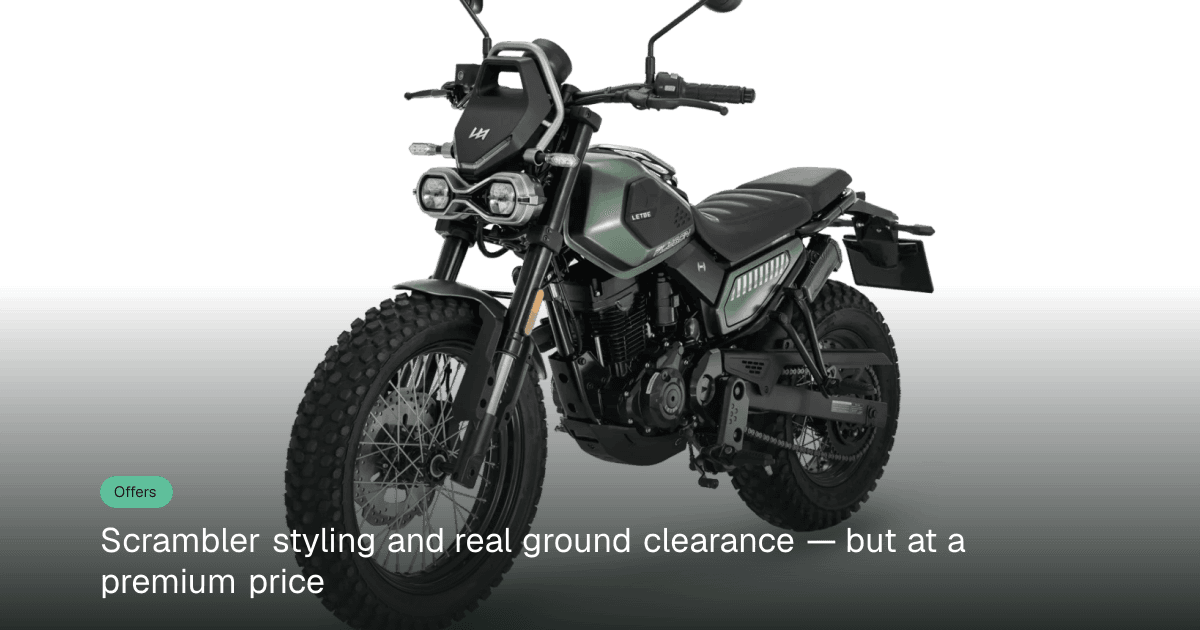
- Style‑heavy neo‑retro/"modern classic" offerings
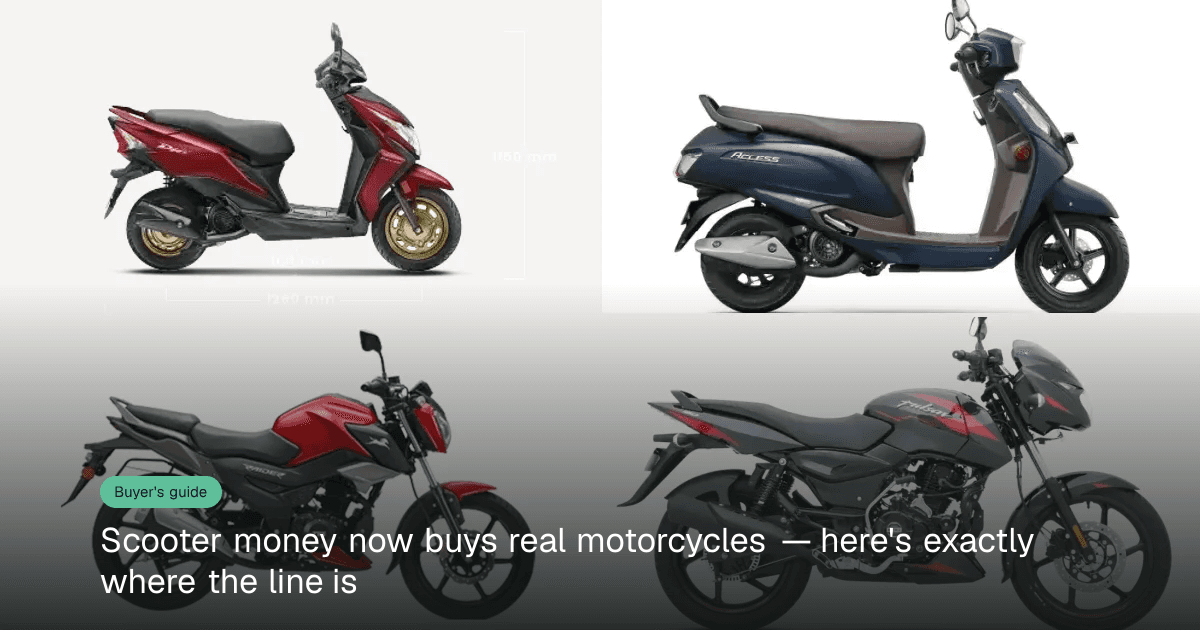
- High‑spec scooters that many buyers now cross‑shop with light motorcycles
For buyers who look at MT‑15 price, find the design too aggressive or common, and want something more timeless and distinctive, the XSR155 is Yamaha’s answer. It is not a budget bike; it is a style‑first, enthusiast‑leaning product aimed at riders who care as much about design and brand image as about outright performance.
Looks, Design and Build
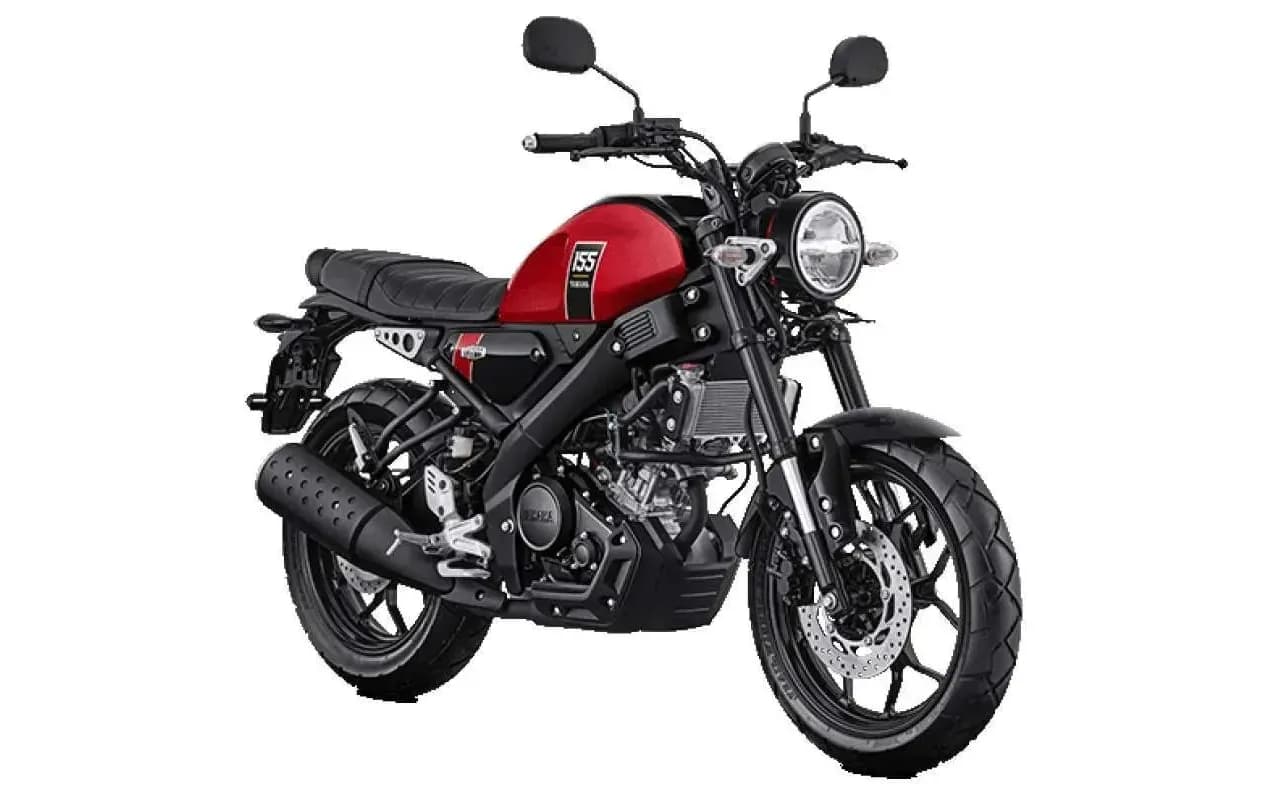
This is where the XSR155 earns its keep. It takes Yamaha’s familiar 155cc sport underpinnings and wraps them in a neo‑retro design that’s noticeably different from typical Nepali street bikes.
Key design elements:
- Round LED headlamp with a simple, upright front profile that immediately gives it a classic vibe
- Chunky fuel tank with brushed‑metal style panels and contrasting colours
- Flat, one‑piece seat and relatively straight subframe, hinting at old‑school standards
- Minimalist tail section with compact LED tail‑lamp
- Subtle tank badges and retro‑inspired colour schemes
In person at showrooms, the bike looks compact but premium. Paint quality, fit and finish, and panel alignment are in line with what buyers expect from Yamaha in this price band: not exotic, but generally tight and well finished rather than cost‑cut everywhere.
The frame is a version of Yamaha’s familiar Deltabox chassis, shared with the R15/MT‑15 family. That gives the XSR155 a modern core beneath its retro skin: a backbone designed for sporty handling, not just relaxed commuting.
Curb weight is around 137 kg, which makes it one of the lighter bikes in its stylistic segment. Combined with the compact dimensions, this gives the XSR an easy, unintimidating presence for shorter or newer riders. The quoted seat height of roughly 810 mm can look tall on paper, but the narrow waist of the bike helps many riders get acceptable footing.
The only real compromise in the design is practicality. The pillion seat is small, and the tail section doesn’t naturally accommodate big grab‑rails or luggage solutions, so it’s closer to a personal bike than a family workhorse.
Features and Equipment
The XSR155 isn’t overloaded with tech, but it does bring a meaningful set of modern mechanicals and essential convenience features.
Major hardware and features typically include:
- 155cc, liquid‑cooled, 4‑valve single‑cylinder engine with variable valve technology (VVA) in most markets
- 6‑speed gearbox with a slipper/assist clutch
- Disc brakes front and rear
- ABS (single‑channel or dual‑channel, depending on market spec; Nepali units are expected to feature ABS as standard given the price)
- Digital LCD instrument cluster styled to match the retro theme
- LED lighting for headlamp and tail‑lamp on most current versions
- Alloy wheels and tubeless tyres
Compared with more basic 150s, the XSR155’s big draw is the combination of a sophisticated small engine, 6‑speed box, and modern chassis in a classic‑styled shell. What it does not give you are things like large TFT displays, extensive ride modes, or mobile‑app connectivity that some competitors are starting to offer above this segment.
The LCD display is minimalist and informative enough, but buyers who want bright, colourful instrumentation may feel it’s a bit plain. That said, the simplicity suits the retro positioning and keeps the cockpit clean.
Engine and Performance
Mechanically, the XSR155 is closely related to the R15 and MT‑15. It uses a 155cc liquid‑cooled, 4‑stroke, SOHC, 4‑valve single, tuned to deliver around 18–19 PS of power and roughly 14–15 Nm of torque, depending on specific tune.
In practice, the character is familiar:
- Smooth, high‑revving engine that wakes up as you climb the rev range
- Stronger top‑end than most commuter‑oriented 150s
- A distinct step in performance when the VVA system kicks in (on engines equipped with it)
This is not a torquey, low‑rev vintage single. It is a thoroughly modern small‑capacity sport engine hiding in retro clothes. That means:
- In city use, it feels lively and willing, especially if you’re comfortable working the gearbox
- On open roads, it can sustain highway speeds more comfortably than most basic 150s
Fuel economy has been commonly reported in the 45–50 km/l band when ridden sensibly, with some riders seeing slightly more in fully gentle use and less with aggressive riding. With a 10‑litre fuel tank, that translates to an effective range of 400–450+ km per fill for mixed use, which is very respectable.
Ride, Handling and Comfort
The XSR155’s handling benefits from its light weight and sport‑derived frame. It feels nimble and easy to flick through traffic and on twisty roads, with predictable steering and decent stability.
Suspension is generally tuned on the firmer side:
- Good for control and confidence at speed
- Not as plush over broken urban roads or rough rural surfaces
A common user message across markets is that the bike feels composed and fun when you ride briskly, but:
- Sharp potholes and concrete joints can transmit more shocks than softer commuter bikes
- The seat foam is firm, and long rides on bad roads can feel tiring, especially for lighter riders
For everyday Kathmandu or Pokhara use, the tuning is acceptable if you prioritise handling over outright cushiness. For riders in areas with consistently rough or unpaved roads, it’s worth being realistic: this is not a soft‑suspension utility bike.
Ergonomically, the XSR155 lands in a middle ground:
- Slightly upright, relaxed riding posture compared to an R15
- Not as aggressively forward as a pure sportbike
- Slight lean to the bars that preserves the "sporty" feel
Most average‑height riders will find it comfortable for daily commutes and medium‑length weekend rides. Very short riders may find the seat height modestly challenging, and frequent pillion use is not this bike’s strong suit.
Practicality and Running Costs
Practicality is mixed and depends on what you want from a motorcycle.
Where the XSR155 scores:
- Good fuel efficiency for the performance and displacement
- Compact dimensions make it easy to filter through traffic and park in tight spaces
- Proven Yamaha mechanicals and parts commonality with R15/MT‑15 mean strong parts support over time
- Light weight helps in manoeuvring, pushing in and out of tight parking, and dealing with inclines
Where it compromises:
- Small pillion seat and limited grab‑rail options make it less ideal for regular two‑up or family use
- Neo‑retro bodywork is less luggage‑friendly; large rack and pannier solutions are not as straightforward as on commuter bikes
Running costs are generally in the typical Yamaha 150–160cc range. Service intervals for this platform are not unusually long, and labour and original parts are priced on the premium side compared to budget commuter brands. For buyers used to entry‑level 125–150cc commuters from value‑focused manufacturers, the XSR will feel moderately more expensive to maintain.
Price, Variants and Which One to Pick
Nepal AutoMart’s tracking shows the Yamaha XSR155 ex‑showroom price range at Rs 5.3 lakh – Rs 5.6 lakh across 4 variants.
That spread usually reflects differences in:
- Colour and finish (standard vs premium paint schemes)
- Feature packs, such as ABS configuration and cosmetic detailing
Without official variant‑wise feature disclosure for Nepal, the sensible approach is:
- Treat the entry variant around Rs 5.3 lakh as the base if you mainly care about the engine and core mechanicals
- Look at the mid‑to‑top variants closer to Rs 5.5–5.6 lakh if you prioritise a specific colourway or additional safety features like dual‑channel ABS where offered
Given the nature of the product, our editorial bias is that buyers considering the XSR155 already value style and spec. If the budget allows, it makes sense to choose a variant that gives ABS, your preferred colour, and any premium trim even if it means stretching to the higher side of the band.
How It Compares with Real Rivals in Nepal
The XSR155’s closest logical rival in Nepal is internal: the Yamaha MT‑15 V2.
A simplified comparison:
- Design: MT‑15 is aggressively modern and angular; XSR155 is neo‑retro and more timeless
- Mechanicals: Broadly similar 155cc, liquid‑cooled engine family, 6‑speed gearbox, and sporty frame concept
- Positioning: MT‑15 as the sporty naked streetfighter; XSR155 as the style‑led neo‑retro
- Price: XSR155 typically sits *around or slightly above* MT‑15 money, reflecting its styling and niche positioning
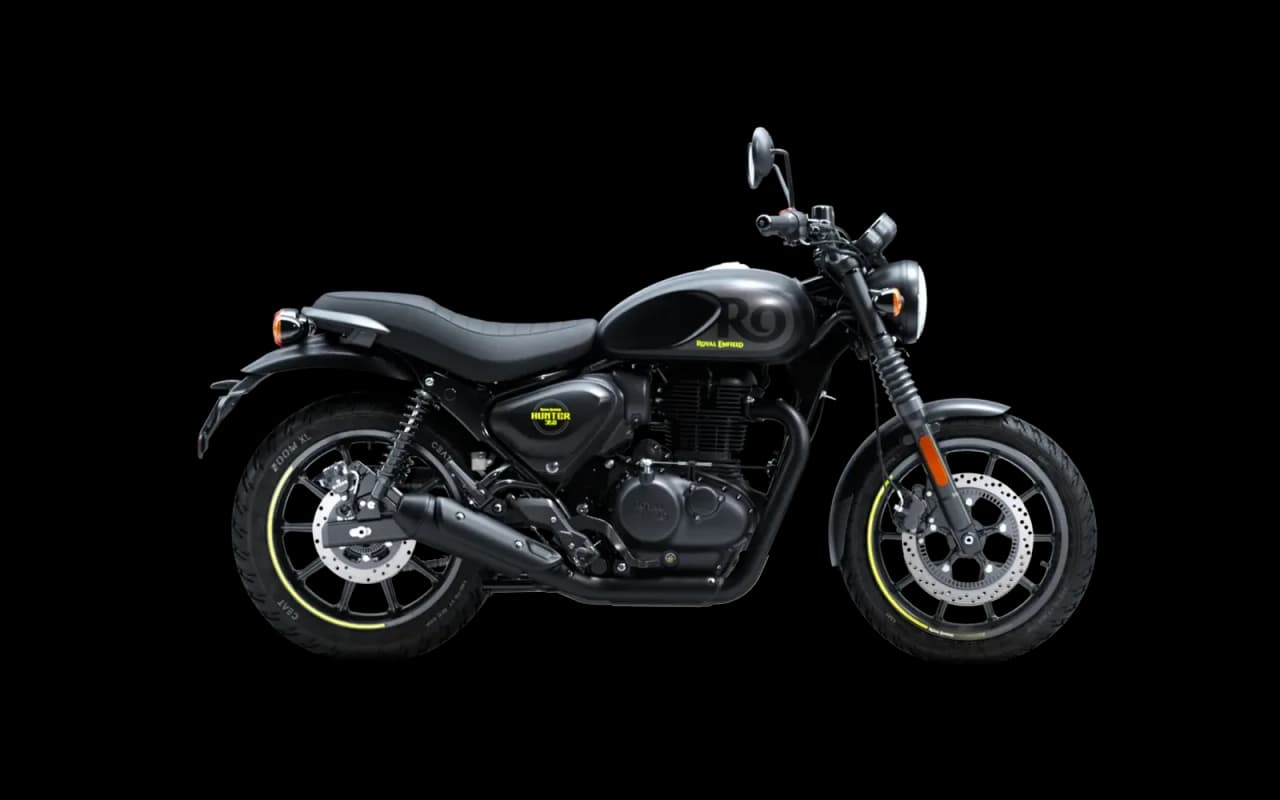
Beyond Yamaha’s stable, the XSR155 also overlaps with:
- Premium 150–160cc street bikes for riders who care about handling and brand image
- Higher‑end scooters for buyers cross‑shopping based on total budget and city practicality
Where the XSR155 stands out is the combination of retro looks, modern performance, and relatively light weight. Many neo‑retro bikes in Nepal either jump straight to larger displacements and higher prices or compromise more on performance.
The trade‑off is straightforward: if you want maximum features per rupee, there are more rational options. If you want a distinctive, small‑capacity retro bike from a mainstream brand, the XSR155’s appeal is strong and quite unique at this price level.
Verdict: Who the Yamaha XSR155 Suits
The Yamaha XSR155 is best understood as a style‑driven, enthusiast‑leaning 155cc motorcycle, not a family workhorse or pure value play.
It suits:
- Riders who love the R15/MT‑15 mechanical package but prefer a more classic, understated look
- Urban and peri‑urban riders who mostly ride solo, with occasional pillion use
- Buyers who can afford to pay a premium over typical 150–160cc commuters to get design, brand cachet, and modern hardware
- Newer riders who want a light, manageable bike but don’t want to be seen on a generic commuter
It suits less:
- Families needing regular two‑up travel, large luggage, and soft suspension comfort
- Strictly budget‑focused buyers who compare every rupee per cc and every service invoice
- Riders living with consistently bad roads who want maximum suspension plushness
Viewed as a complete package, the XSR155 makes sense for Nepali buyers who are willing to pay for character, proven mechanicals, and long‑term desirability. If your priorities are design, a refined small engine, and a bike you can keep and enjoy for years, it is one of the more compelling neo‑retro choices in the 155cc space.
Current prices on Nepal AutoMart
- Yamaha XSR155 price in Nepal: Rs 5.3 lakh – Rs 5.6 lakh ex-showroom, 4 variants
- Yamaha MT-15 V2 price in Nepal: Rs 5.7 lakh ex-showroom
Writes on vehicle pricing, taxation and the Nepali auto market from ongoing tracking of distributor price lists. Every price in this piece is read live from the Nepal AutoMart catalog — how we verify prices.