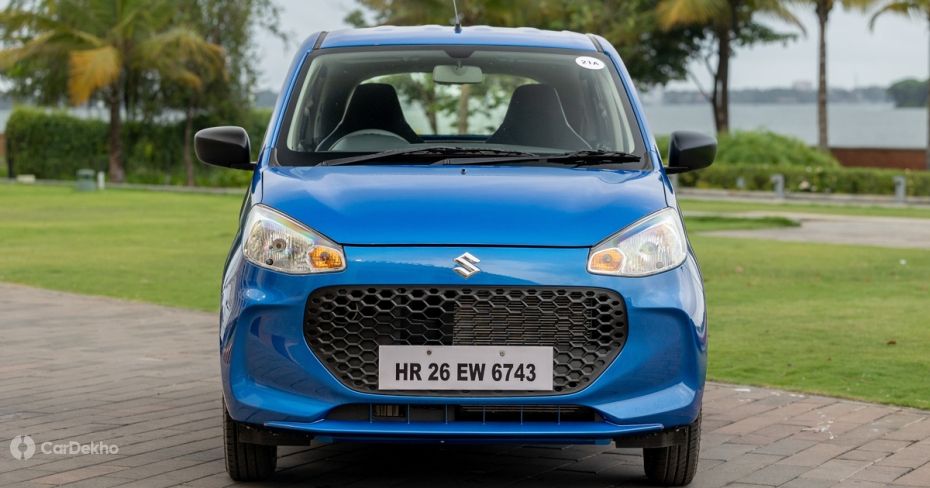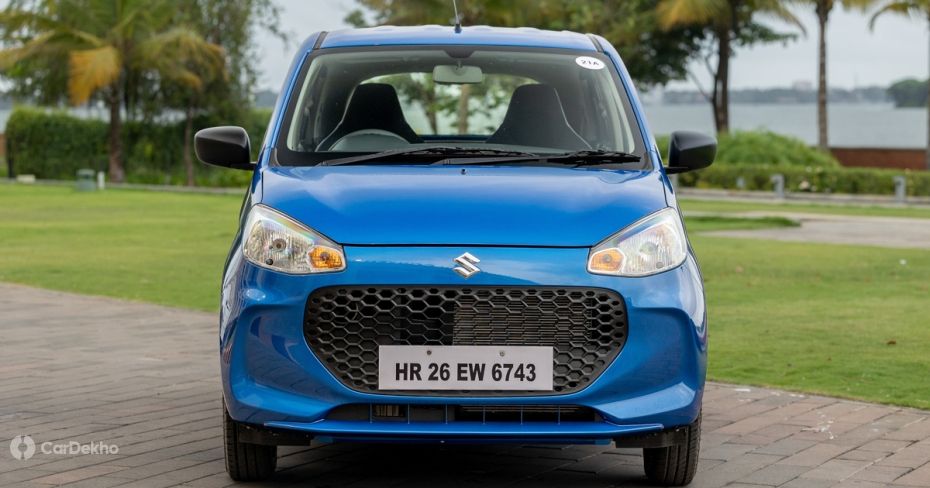
Image: Maruti Suzuki Alto K10 — official image
Maruti Suzuki India has confirmed another across-the-range price increase of up to Rs 30,000 per vehicle from August 2026, citing a continued rise in raw material and input costs. According to the company’s regulatory filings, this is the second similar hike in a span of about three months, following a revision of up to Rs 30,000 in June 2026.
What is changing in India
- The hike of up to Rs 30,000 per car will apply to almost all Maruti Suzuki models sold in India.
- The exact increase will differ by model and variant, with entry-level hatchbacks seeing smaller changes and larger SUVs and MPVs likely bearing a higher increment.
- Maruti Suzuki has attributed the move to persistent commodity inflation, higher input costs and pressure on operating margins, saying internal cost-cutting is no longer enough to absorb the impact.
Indian media reports note that this August revision is part of a broader pattern, with other manufacturers such as Tata Motors and Mahindra also adjusting prices to manage volatility in steel, plastics and other components.
Implications for Nepal: likely ripple effect on prices
Maruti Suzuki is one of Nepal’s most established brands, with popular models like Alto K10, Wagon R, Swift, Baleno, Vitara/Victoris and Ertiga sold here via Indian sourcing. Current listed prices for Maruti cars in Nepal span roughly Rs 19.6 lakh to over Rs 1 crore, depending on model and variant.
Because most Maruti vehicles for Nepal are imported from India, any sustained price increase at the factory or ex-showroom level there typically feeds into higher landed costs here after currency conversion, freight, insurance and taxes. Dealers in Nepal may not revise stickers immediately on August 1, but a price update within the following weeks or months is likely if the Indian hike is fully implemented.
For Nepali buyers considering a Maruti hatchback or compact SUV, this means:
- If you are close to purchase, booking before local dealers revise prices could save up to Rs 30,000–40,000 or more on some models once Indian and Nepali adjustments compound.
- Entry-level models such as Alto and Wagon R may see modest increases, but higher-spec vehicles — hybrids and automatic variants — are more exposed to cost pressure and may become noticeably more expensive.
Wider market impact in Nepal
Maruti’s move adds to a trend of rising vehicle prices across South Asia. If other Indian and Chinese manufacturers continue similar hikes, Nepali buyers could face across-the-board price hardening in the small car segment.
In that context, the Maruti brand’s traditionally strong resale value and fuel efficiency may remain attractive, but buyers will need to watch:
- Upcoming price circulars from Nepali distributors
- Possible revision of finance EMI schemes as on-road prices rise
Overall, the August 2026 hike in India is a signal for Nepali customers to plan purchases and budgets early, especially for popular Maruti models that dominate city and family car sales here.
Reported by the Nepal AutoMart news desk. Prices verified against Nepal AutoMart's own distributor-sourced data.