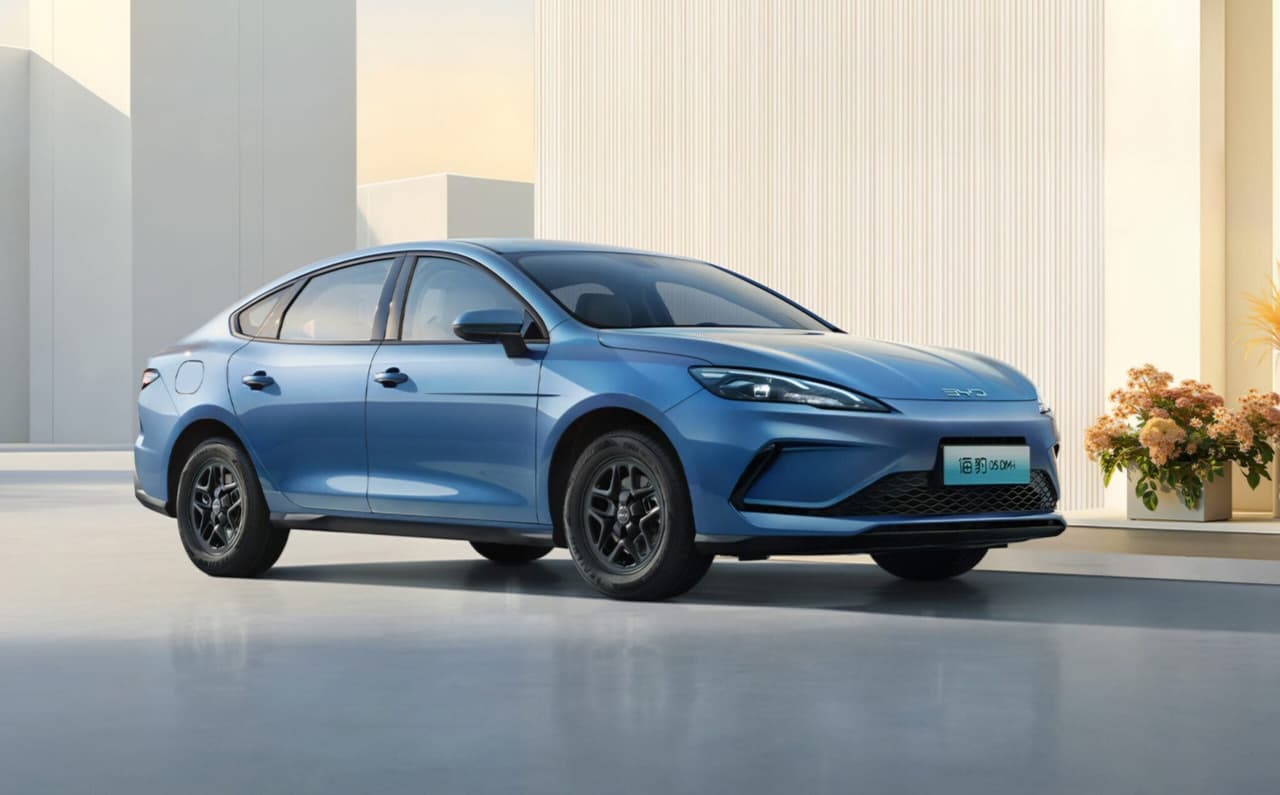
A BYD Qin Plus DM-i plug-in hybrid sedan in Chengdu, China, was destroyed by fire after a three-car collision on the city’s Third Ring Road, but all occupants escaped before the cabin was fully engulfed.
What happened in Chengdu
The Qin Plus DM-i was involved in a chain-reaction crash with two other vehicles on July 17, after which the car caught fire and eventually burned down to its frame.
The owner, identified as Mr He, said:
- Front and side airbags deployed on impact.
- Doors could not be opened, forcing him and the front passenger to climb out through the windows.
- He reported seeing flames starting from the rear of the sedan shortly after the vehicle was rear-ended.
Both occupants in the BYD reportedly lost consciousness briefly but managed to exit before the cabin was overtaken by flames. No deaths have been reported, and investigators have not yet confirmed whether the fire began in the fuel system, battery/electrical components, or another part of the car.
Authorities in Chengdu are still investigating the exact ignition source and sequence.
Why this matters for Nepal
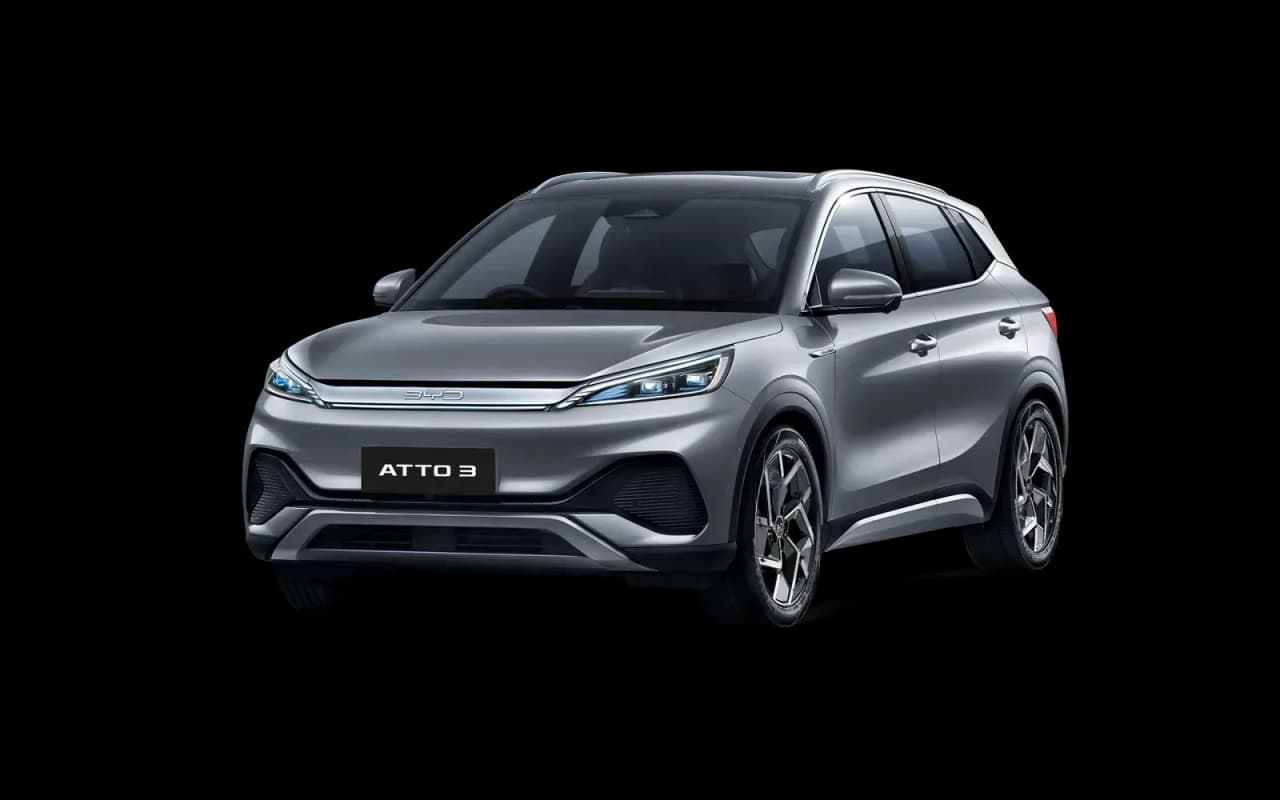
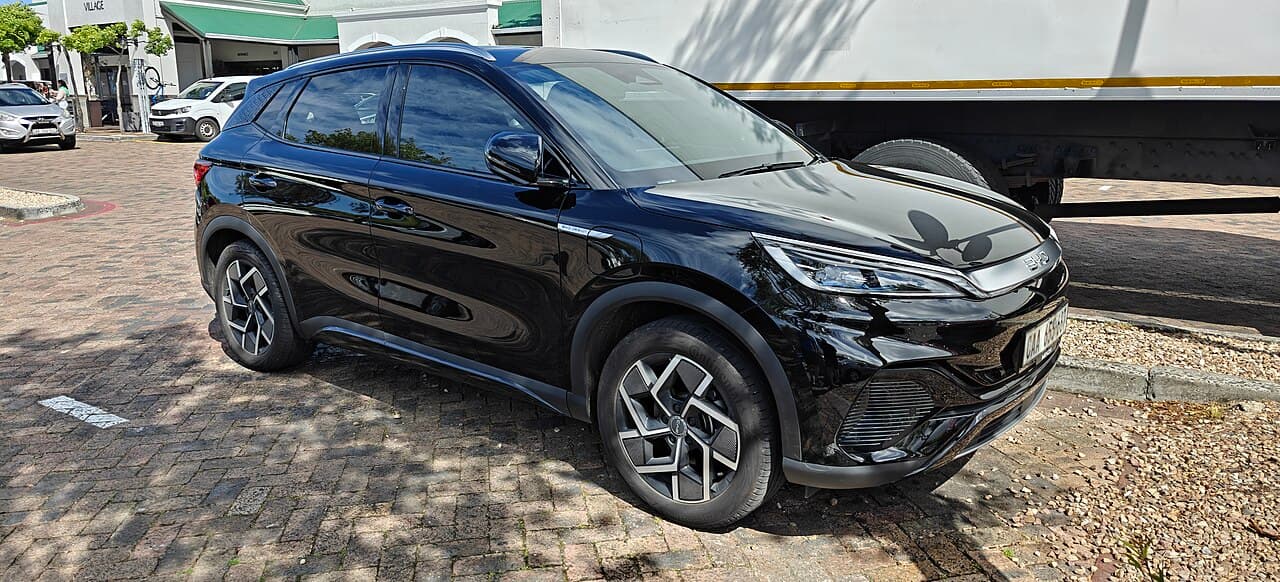
BYD already sells electric models in Nepal through official and grey import channels, and its aggressive pricing in China has made the brand a key player in South Asian EV discussions.
- The Qin Plus DM-i is a plug-in hybrid sedan, combining a 1.5-litre petrol engine with an electric motor and BYD’s Blade lithium iron phosphate battery.
- Recent Chinese launches of the Qin Plus DM-i with fifth-generation DM-i technology advertise pure-electric ranges up to 210 km and combined ranges beyond 2,000 km, with fuel consumption in depleted-battery mode claimed at around 2.8–2.9 L/100 km.
If BYD or local distributors offer the Qin Plus DM-i in Nepal, the car’s extreme fuel efficiency and long hybrid range could be attractive for city-to-highway commuting, especially with rising petrol prices and limited charging infrastructure outside major cities.
However, this Chengdu incident underlines key concerns Nepali regulators and buyers will need to watch closely:
- Crash safety and post-impact fire behaviour of high-voltage hybrid systems.
- Functionality of doors and emergency exits after a collision.
- Battery pack and fuel system protection in rear-end impacts, relevant for Nepal’s congested urban roads.
For now, the Qin Plus DM-i is not formally launched in Nepal, and there is no confirmed timeline. But given BYD’s expanding presence and Nepal’s reliance on imports from China, any future introduction of this model will likely be scrutinised not only for price and mileage, but also for how its safety record abroad — including incidents like the Chengdu fire — is addressed through design, testing and after-sales support.
Key takeaway for Nepali buyers
- If the BYD Qin Plus DM-i reaches Nepal, it will offer standout mileage and hybrid range, but buyers should pay close attention to official crash-test data, fire investigations, and local warranty and service support for its complex hybrid system.
Writes on vehicle pricing, taxation and the Nepali auto market from ongoing tracking of distributor price lists. Editorial policy.