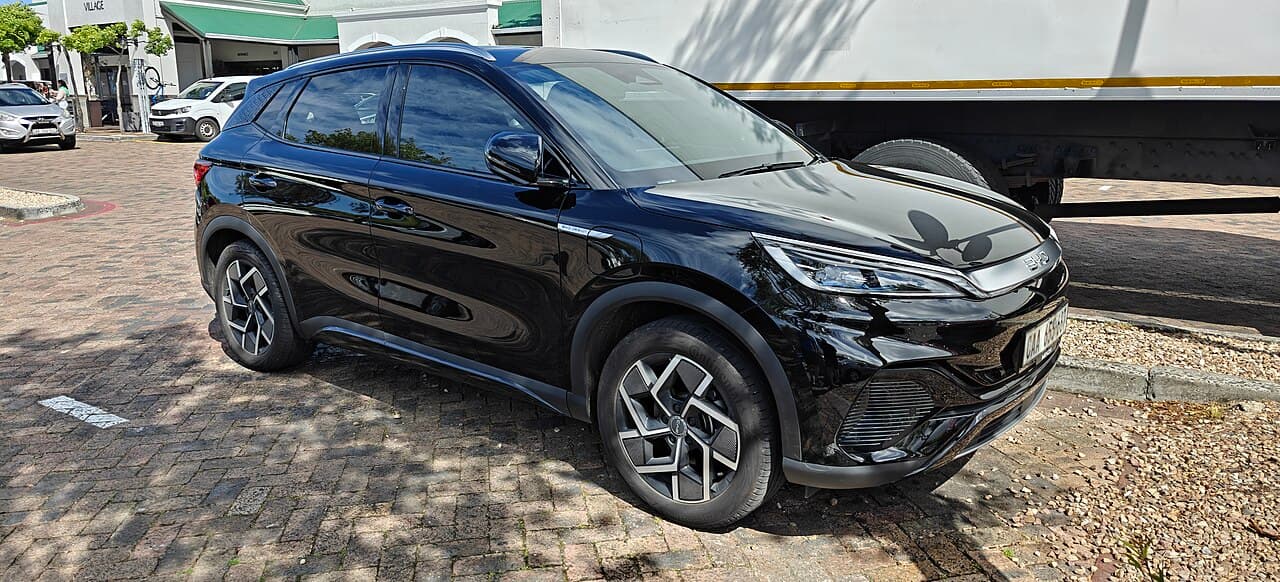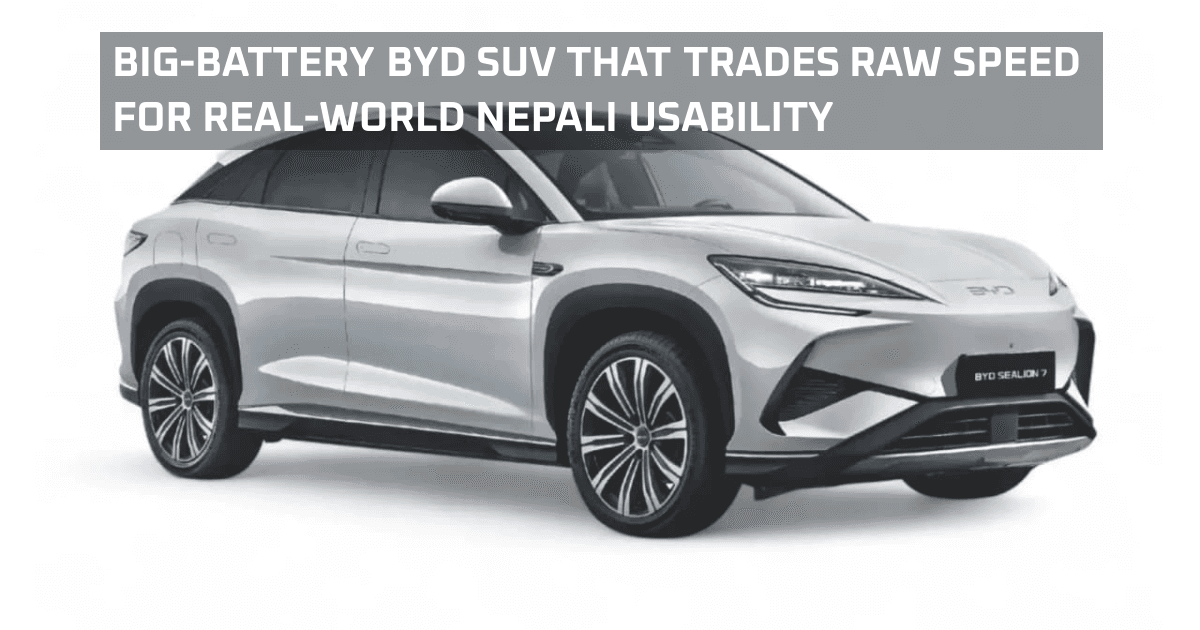
Chinese automaker BYD has released the first official images and key details of its upcoming Tang 8-series electric SUV, signalling a major upgrade to its large EV line-up and adding another candidate for future right-hand-drive export markets.
What BYD is launching in China
According to BYD’s preview in China, the new Tang 8-series is a mid-to-large, 5-seat SUV positioned as a family-focused flagship within the Tang range. It is expected to launch in China in the second half of 2026, sitting below the larger 9-series Da Tang EV.
Regulatory filing data in China shows:
- Length around 5.05 metres, width about 1.98 metres, wheelbase 2.95 metres
- 5- and 7-seat all-electric versions
- Permanent magnet motor with peak output of 300 kW (about 402 hp)
- Claimed top speed of 250 km/h
BYD says the SUV uses its latest LFP Blade Battery (second generation), and the company is targeting over 800 km claimed range on the Chinese test cycle, with a high-voltage system and fast charging likely similar to the Da Tang EV, which can charge from 10% to 97% in around 9 minutes according to company information.
Nepal angle: could this big EV come here?
BYD already sells EVs in Nepal via official distributors, and the brand is expanding exports of larger SUVs such as the Tang L / Sealion 8 / Atto 8 to markets like the Middle East and Australia. This shows BYD’s large SUVs are being engineered for global use, including right-hand-drive versions.
While BYD has not announced the Tang 8-series for South Asia, its size and technology make it a potential candidate for future imports if Nepal’s market for premium EV SUVs grows beyond compact and mid-size models. The Tang L-based Atto 8 starts around Rs 30–38 lakh equivalent in China, so a fully electric Tang 8-series with 800 km claimed range and high-end features would likely land in Nepal well above Rs 60–70 lakh once taxes, transport and dealer margins are added, putting it up against diesel 7-seaters and premium crossovers rather than mass-market EVs.
For Nepali buyers, the key implications if such a model arrives would be:
- Much longer range than current mainstream EVs, reducing highway range anxiety on routes like Kathmandu–Pokhara or East–West travel.
- Seven-seat electric option, offering an alternative to large diesel SUVs used for family and tourist transport.
- Higher price and charging demands: to benefit from ultra-fast charging, Nepal would need more DC fast chargers capable of handling higher-voltage systems.
At present, the Tang 8-series is still a China-market preview. But BYD’s strategy of globalising its Tang/Sealion/Atto SUVs means Nepali distributors will be watching this launch closely as a possible future addition to BYD’s portfolio here, especially if policy and infrastructure continue shifting in favour of larger EVs.
Current prices on Nepal AutoMart
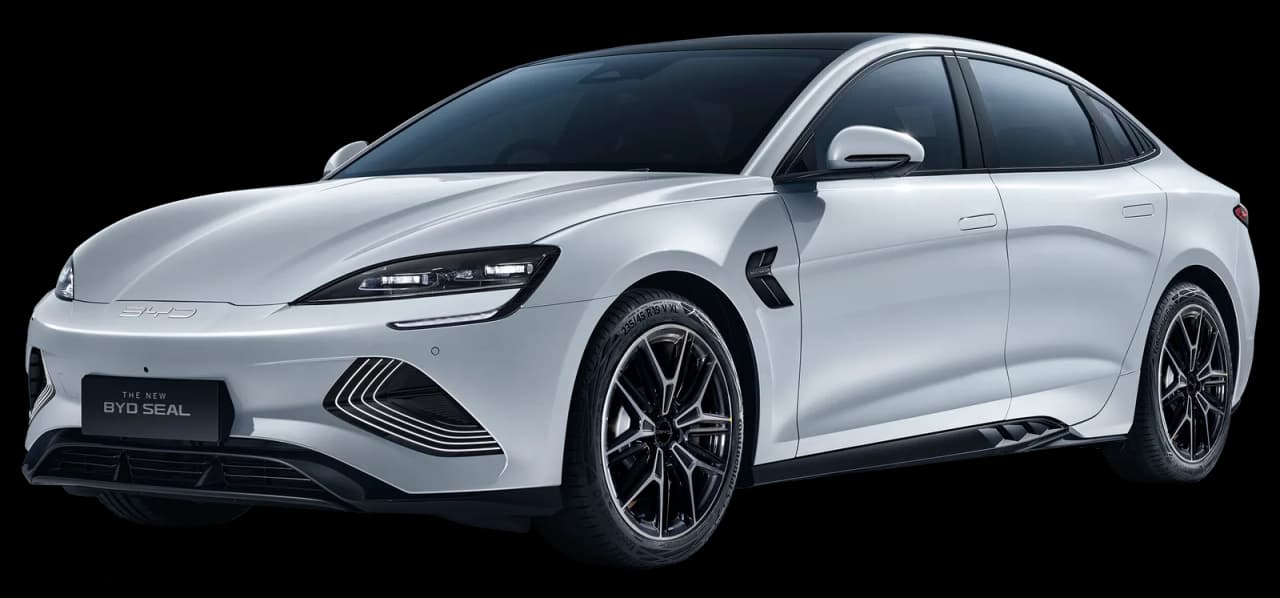
- BYD Seal price in Nepal: Rs 1.1 crore – Rs 1.95 crore ex-showroom, 3 variants
Writes on vehicle pricing, taxation and the Nepali auto market from ongoing tracking of distributor price lists. Editorial policy.