Nepali buyers who still prefer petrol cars may get a new low‑carbon option in the future. Toyota, BMW, Bosch and Spanish energy company Repsol have begun a six‑month real‑world trial in Spain using 100% renewable gasoline in normal petrol vehicles.
What are they testing?
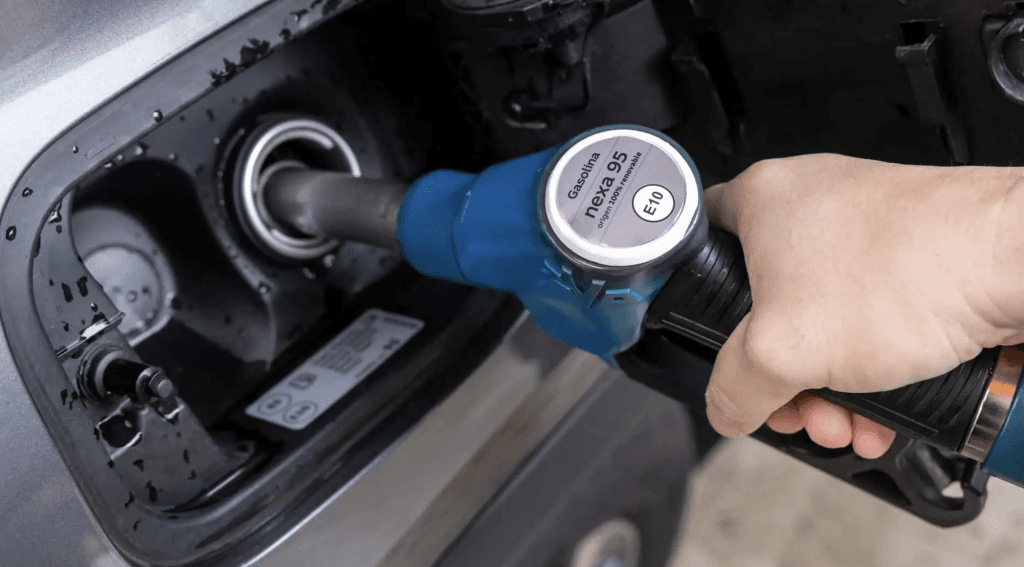
- Around 20 Toyota and BMW petrol cars are running only on Repsol Nexa 95 renewable gasoline, according to the companies.
- These are standard showroom cars, not prototypes. The fuel is used in existing engines and fuel systems with no mechanical changes.
- The cars refuel at regular public fuel stations where Repsol already sells Nexa 95, so no new infrastructure is needed.
What is renewable gasoline?
Repsol’s Nexa 95 is a synthetic petrol produced from waste‑based feedstocks such as used cooking oil, agricultural residues and other organic waste, instead of crude oil.
Chemically, it is designed to behave like normal petrol, so it can be used in current engines and fuel pumps. According to the announcement, the overall lifecycle CO₂ emissions are significantly lower because the carbon in the fuel comes from recently captured or recycled sources, not from fossil reserves.
Tailpipe emissions (CO₂ coming out of the exhaust) are still present, but the total carbon footprint from production to use is claimed to be much smaller than conventional petrol.
Digital tracking of the fuel
Bosch is supporting the pilot with its Digital Fuel Twin system. This technology:
- Tracks each refuelling event using vehicle data, fuel‑station records and fuel card transactions.
- Verifies that the cars are actually running on certified renewable fuel.
- Creates a digital record of emissions and fuel origin across the whole supply chain.

This type of tracking could become important if governments start giving tax benefits or regulatory exemptions to vehicles running on verified low‑carbon fuels.
Why this matters for future regulations
The trial starts as the European Union is preparing a 2035 ban on new combustion‑engine car sales, with discussions ongoing about whether cars using carbon‑neutral fuels should be treated differently from traditional petrol vehicles.
Toyota and BMW say the data from this project will be shared with regulators to show how much CO₂ reduction renewable petrol can deliver in real everyday driving. If policymakers accept such fuels as a valid decarbonisation route, it could:
- Extend the life of modern petrol cars alongside electric vehicles.
- Encourage investment in renewable fuels that work in the existing vehicle fleet.
What it could mean for markets like Nepal
For Nepali buyers, this pilot does not change fuel options immediately. Nexa 95 is currently supplied only in Spain. However, the key message is that existing petrol cars could potentially use low‑carbon synthetic fuels in the future without engine modifications.
If similar renewable petrol becomes available in South Asia, it could give Nepal a way to reduce transport emissions while still using the current fleet and fuel station network. For now, this remains an early European test, but the outcome will be closely watched by carmakers and governments worldwide.
Writes on vehicle pricing, taxation and the Nepali auto market from ongoing tracking of distributor price lists. Editorial policy.