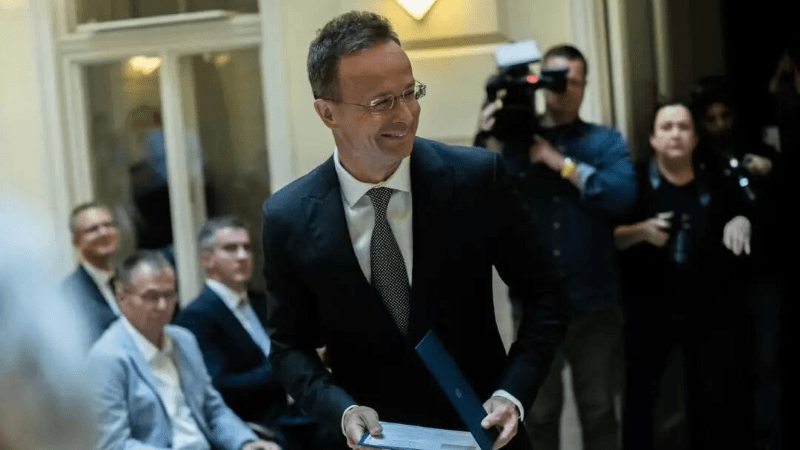
Hungary’s former foreign minister and trade chief Péter Szijjártó has resigned from his seat in parliament and joined Chinese electric vehicle maker BYD.
According to his public announcement, Szijjártó will work at BYD in an international executive role. He will oversee external relations and the development of new business lines for the group. He described BYD as one of the most successful automotive companies of the past two decades and a global leader in new energy vehicle (NEV) production.
Szijjártó had been a member of Hungary’s National Assembly since 2002. He served as foreign minister from 2014 until 2026. His move to BYD comes shortly after a change of government in Hungary, and it follows years in which he actively supported large-scale Chinese EV and battery investments in the country.
Strengthening China–Hungary EV ties
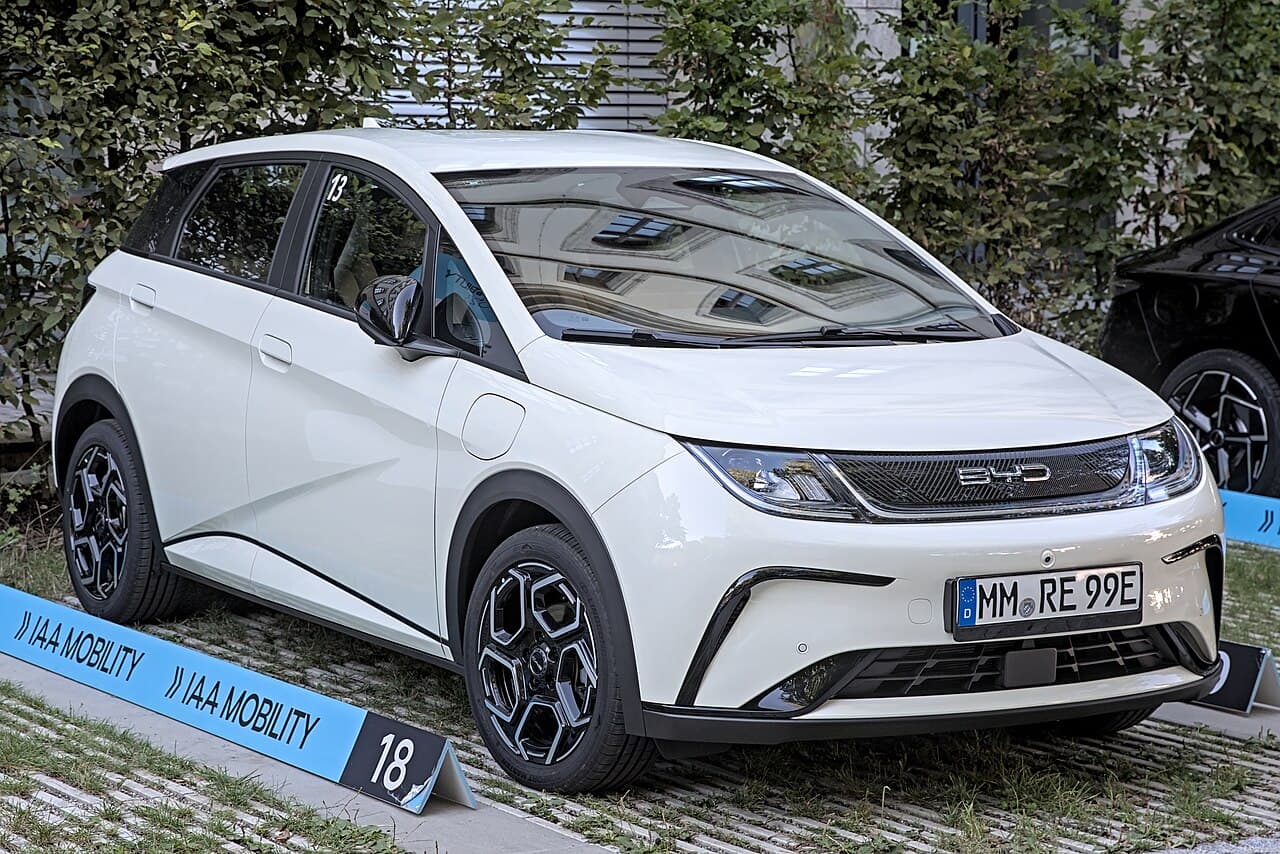
Hungary has become one of China’s closest economic partners in Europe, especially in the electric vehicle and battery sectors. BYD is now building its first European passenger car plant in southern Hungary. It is expected to play a key role in the company’s expansion in the EU market.
Other major Chinese players are also investing heavily in Hungary:
- EV maker Nio has established facilities for battery swap station production and research.
- Battery giants CATL, EVE Energy and Sunwoda are building large battery plants in the country.
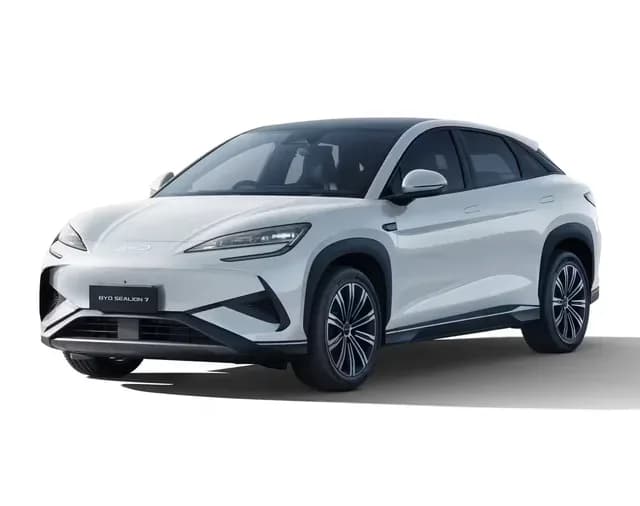
These projects are turning Hungary into a European hub for Chinese electric vehicle manufacturing and battery supply. That could influence pricing and availability of Chinese EVs across the region.
What this could mean for Nepali EV buyers
For Nepali vehicle buyers, this development matters for two main reasons:
- BYD is an important EV brand in Nepal, with models like electric SUVs and MPVs already on sale through official distributors. Strategic moves that strengthen BYD’s position in Europe can support its global scale. That could help the brand improve technology, efficiency and long-term supply.
- As Chinese EV and battery companies gain stronger footing in European regulation, safety and quality frameworks, their products may benefit from additional testing and standards. Over time, that could enhance the appeal of Chinese-made EVs in markets like Nepal, where buyers look for reliable batteries, good range and robust after-sales support.
Szijjártó’s appointment is part of a broader shift in the global EV supply chain. As China, Europe and companies like BYD deepen their cooperation, Nepali EV users and prospective buyers can expect continuing changes in available models, technology features and possibly future pricing, even if the exact impact will emerge gradually.
Writes on vehicle pricing, taxation and the Nepali auto market from ongoing tracking of distributor price lists. Editorial policy.