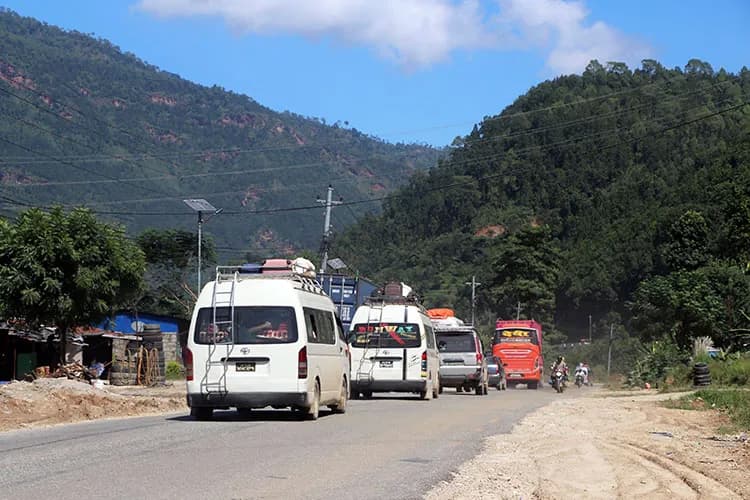
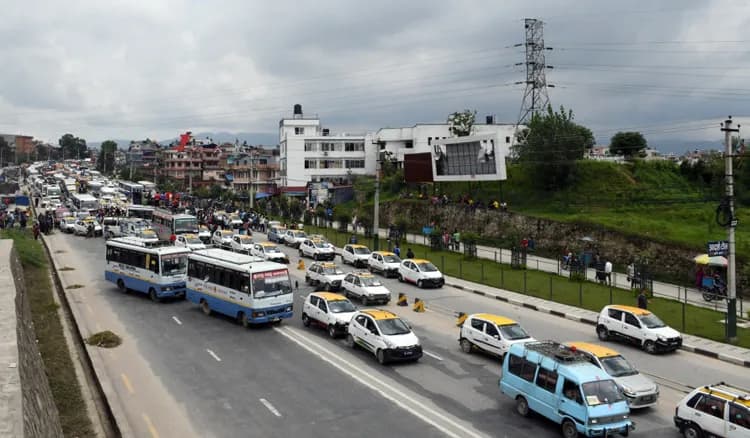
Nepal Rastra Bank has raised the loan-to-value limit for large electric passenger vehicles used in public transport to 80%, giving operators a lower upfront cost when buying electric buses and similar vehicles.
What changed
Under the new directive issued for banks and financial institutions, lenders can now finance up to 80% of the vehicle’s value for this category. That means buyers need to arrange only a 20% down payment. The change is part of NRB’s implementation of the monetary policy for the current fiscal year and takes effect immediately, according to the central bank announcement.
Previously, this segment was financed at a lower limit, which forced buyers to pay a much larger amount upfront. The latest rule is meant to make fleet purchases easier for transport operators, especially those looking at electric buses and other large passenger EVs used commercially.
Other vehicle loans
NRB has not changed the financing rule for private vehicles. For those purchases, the maximum loan-to-value ratio remains 60%, so buyers still need to make a 40% down payment.
The central bank also said the 80% financing limit can be used for replacing commercial vehicles and transport equipment damaged during the Gen Z movement, as long as the assets are used for business purposes.
Why it matters for buyers
For Nepal’s vehicle market, the change is most relevant for:
- public transport operators planning to add electric buses
- businesses replacing damaged commercial transport assets
- financiers and dealers handling fleet sales
The rule does not improve loan access for private EV buyers, so individual car buyers will continue to face the same 60% lending cap on their purchases.
Writes on vehicle pricing, taxation and the Nepali auto market from ongoing tracking of distributor price lists. Editorial policy.