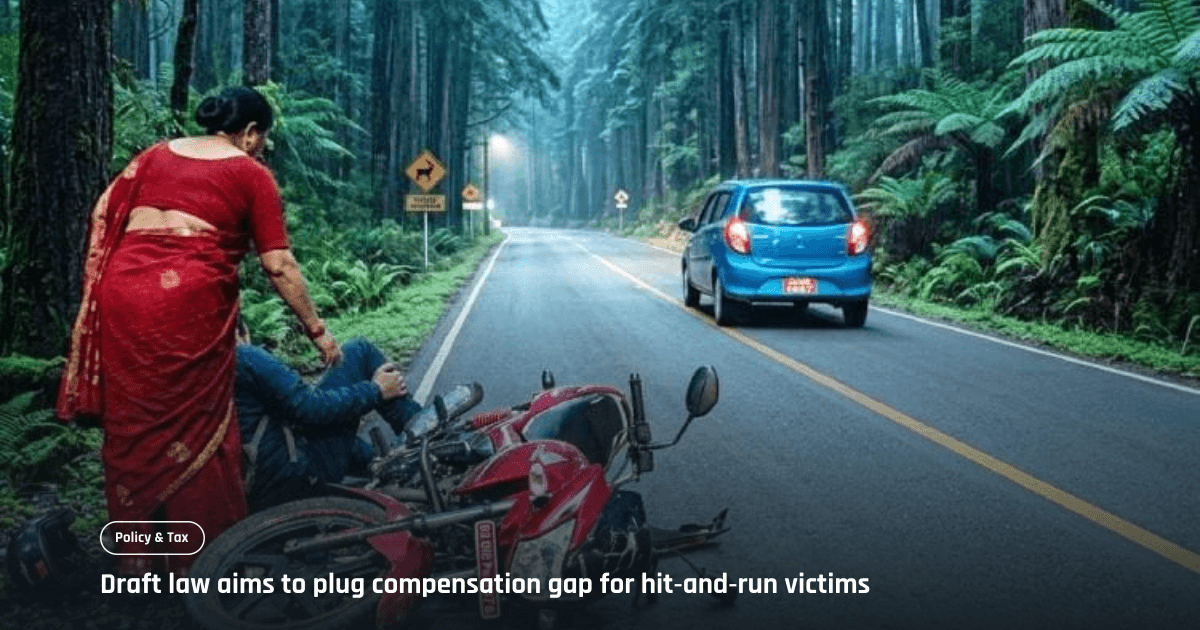
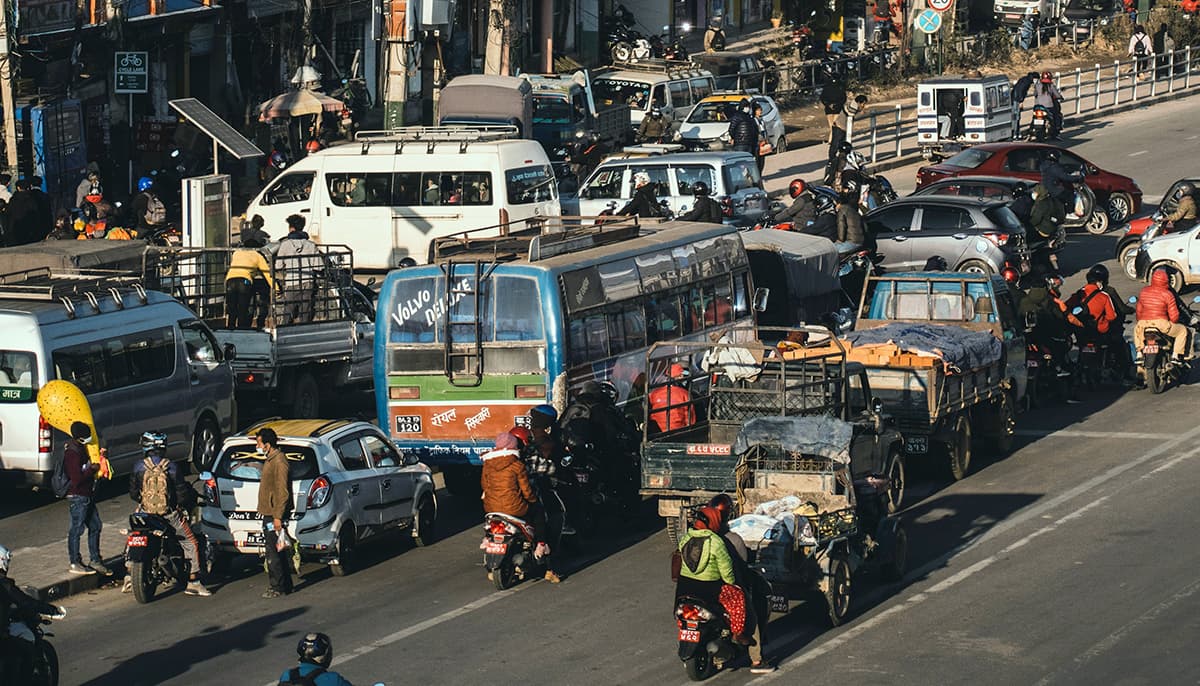
Nepal’s roads are carrying more vehicles than ever, and the cost in human life is rising. Police and research reports point directly to speeding and risky overtaking as two of the biggest reasons so many Nepalis are getting killed or injured on the road.
Speeding: thrill with a deadly cost
According to national accident data for 2025, over-speeding is the main cause in more than half of reported crashes. Studies of recent fiscal years show that around 44% of road accidents in Nepal are linked directly to speeding, with the risk rising sharply for two-wheelers.
As speed goes up:
- Your stopping distance becomes much longer.
- The force of impact in a crash multiplies, and injuries become more severe.
- Small mistakes – a pothole, a sudden pedestrian, a stray animal – can turn fatal within seconds.
For riders and drivers, the takeaway is simple. Always stay within the posted speed limit, and slow down further in rain, fog, at night, on narrow village roads, and in busy city lanes.
Motorcycles: most accidents, least protection
Multiple national reports now confirm that motorcycles account for well over half of all vehicle accidents in Nepal, in some datasets crossing 58% of total crashes. This is a serious concern because riders have little physical protection, and high speed or a slide can quickly become life‑threatening.
Bikers should treat every ride as high risk, especially:
- On wet or broken roads
- In peak‑hour city traffic
- During festivals, when travel volume is high
Wearing a certified full‑face helmet, proper riding gear, and keeping speed in check are now not just good practice. They are lifesaving.
Dangerous overtaking: seconds of impatience, lifelong damage
Traffic police consistently list risky overtaking as another major trigger for crashes. Common patterns include:
- Overtaking on blind curves and hill roads
- Trying to pass when oncoming traffic is close
- Cutting in and out of lanes to “save time”
Safe overtaking means:
- Only passing when you have clear forward visibility and space
- Never overtaking near bends, bridges, zebra crossings or junctions
- Using indicators and waiting for a safe gap instead of forcing your way through
Those few seconds of patience can prevent your vehicle from colliding head‑on or pushing someone off the road.
Following traffic rules is real life insurance
Every recent Nepal Police report repeats the same message: drivers who respect traffic rules cause far fewer accidents. Key habits for all Nepal AutoMart readers:
- Maintain lane discipline; avoid frequent, random lane changes.
- Keep a safe distance from the vehicle ahead, especially at higher speeds.
- Do not drive or ride under fatigue, anger, or stress; distraction and aggression are common causes of crashes.
- Start your journey earlier, so you do not feel pressure to speed.
Road safety data now show that more Nepalis die in road accidents each year than in many natural disasters. For vehicle owners and daily commuters, this is a reminder that every trip is shared with thousands of other road users.
For Nepal’s riders and drivers, the message is clear: slow down, avoid risky overtaking, and treat traffic rules as protection, not punishment. By changing our driving culture today, we can protect not only our own lives, but the families waiting for us at home.
Writes on vehicle pricing, taxation and the Nepali auto market from ongoing tracking of distributor price lists. Editorial policy.