The Tata Sierra name has returned in an all-new form, this time as a practical family SUV rather than a niche lifestyle vehicle. The model line now includes a conventional petrol/diesel Sierra and the battery-powered Sierra.ev, both targeting the midsize SUV segment.
What is the new Sierra?
The new-generation Sierra is a five-door midsize SUV positioned against popular models like Hyundai Creta, Kia Seltos and Suzuki Grand Vitara in India. It keeps a design link to the original Sierra through its distinctive wraparound rear glass but otherwise is a thoroughly modern product with a new platform, updated safety tech and a feature-rich cabin.
In India, the ICE Sierra range starts at about Rs 11.49 lakh ex-showroom. That roughly translates to around Rs 35–40 lakh in Nepal after duties, depending on variant and final dealer pricing. The Sierra.ev starts from Rs 18.79 lakh ex-showroom India, which could place it in the Rs 55–65 lakh bracket in Nepal under current EV tax rules, based on early estimates. These are indicative figures for buyers to understand positioning, not official Nepal prices.
Engine and EV options
- ICE Sierra (petrol/diesel): India offers a new 1.5-litre naturally aspirated petrol, a 1.5-litre turbo-petrol, and a 1.5-litre diesel engine. The NA petrol makes about 105 bhp and 145 Nm and can be paired with a 6-speed manual or 7-speed dual-clutch automatic. For Nepal, engine and gearbox combinations are expected to be similar when the model is introduced after the Indian launch.
- Sierra.ev: Built on Tata’s Acti.ev+ platform, the electric Sierra comes with 63 kWh and 75 kWh battery options. The larger pack claims up to 665 km range on a single charge under ideal test conditions. All-wheel drive is available with the bigger battery, with 0–100 km/h in about 5.8 seconds. Fast charging can add around 263 km of range in 15 minutes, according to Tata.
Features and safety focus
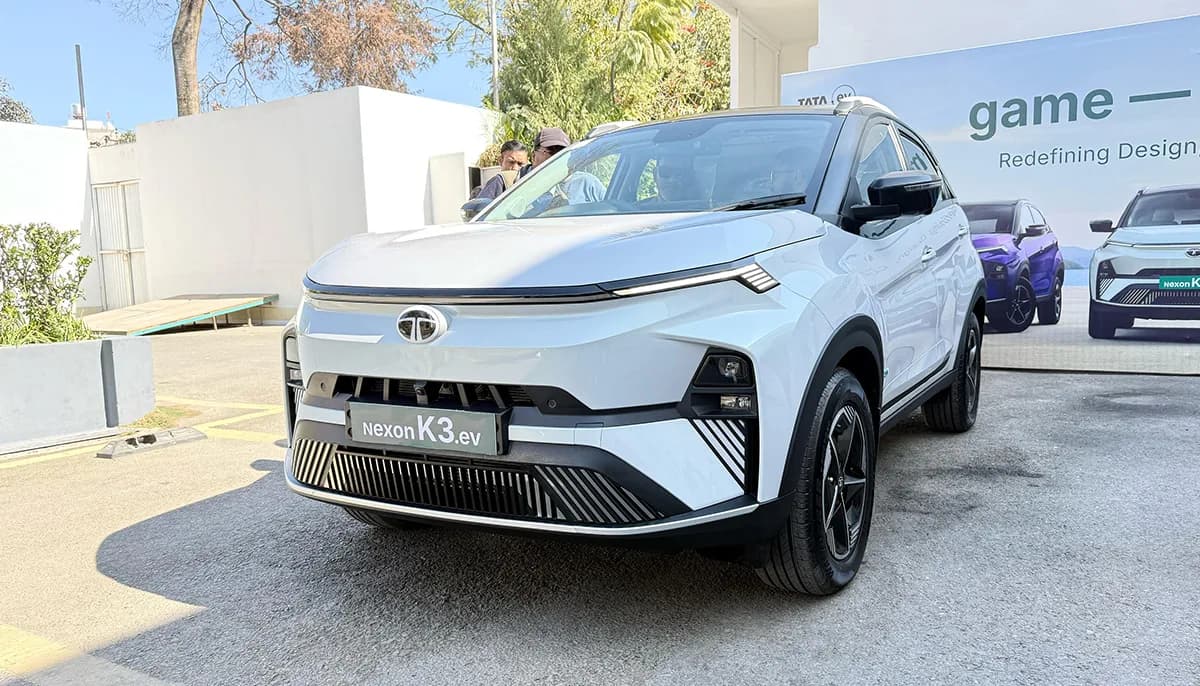
Tata is positioning the Sierra as a tech-forward, safe family SUV:
- Multiple terrain modes and Frequency Dependent Damping suspension for better comfort on rough roads.
- Advanced driver assistance (ADAS) with up to 22 features on both ICE and EV versions, including lane and collision aids.
- 360-degree camera, electronic stability control and multiple airbags.
- In the EV, a triple-screen dashboard and connected features via Tata’s iRA.ev system with remote access and OTA updates.
These features are directly relevant for Nepali buyers who drive on mixed road conditions and value modern safety tech.
What should Nepali buyers consider?
For Nepal, both the ICE and EV Sierra are expected only after the Sierra.ev goes on sale in India and stabilises there. Official launch dates and local prices are yet to be confirmed by the authorised distributor, so interested buyers should treat current numbers as guidance, not final.
Practically, the Sierra suits buyers who:
- Want a spacious, feature-rich family SUV with strong safety focus.
- Are comfortable with newer technology, including ADAS and connected-car features.
- In the case of the EV, have access to reliable home or office charging and are ready for higher upfront cost in return for lower running expenses.
Buyers who prioritise simple mechanicals, proven long-term reliability and minimal electronics may prefer to wait for local feedback on maintenance costs and service support once the Sierra range is officially launched and has spent some time on Nepali roads.
Writes on vehicle pricing, taxation and the Nepali auto market from ongoing tracking of distributor price lists. Editorial policy.